Quick comparison
Short device checklist for Ankara
When researching battery, charging system, and BMS diagnostic devices in Ankara, the task to be performed, connection method, and technical limitations should be examined before the model name.
Decision guide
Need for local purchase in Ankara
The General Directorate of Meteorology's Ankara climate page shows continental conditions; power checks should be regularly maintained when accepting vehicles during the winter season; this local condition moves the research for battery, charging system, and BMS diagnostic devices in Ankara beyond simply finding a model name. The selection should align with the operational workflow of the vehicles and tasks encountered in the service.
When preparing the vehicle list in the first step, record the battery type, capacity, age, the vehicle's energy management system, and at what temperature the complaint occurs. If this list is not made, you may pay for unused features or lack necessary menus; the scope for battery, charging system, and BMS diagnostics in Ankara must be determined in advance.
An example seen in the field is: if difficult starting persists despite a newly installed battery, a check of the terminal connections, starter circuit, and parasitic current may be necessary. Codes, symptoms, live values, power supply, and physical checks are kept in the same Ankara service record; a delivery record is opened for battery, charging system, and BMS diagnostic work in Ankara.
Decision guide
How is this device used during vehicle acceptance?
In the workflow, measure the open circuit voltage, cranking load, and charging system; read diagnostic codes and, if necessary, perform the BMS procedure in the manufacturer's instructions. In this scenario, a quick automatic scan can save time; the technician still determines which control unit, which value, and which test condition to examine; this decision is recorded in the diagnostic work for battery, charging system, and BMS in Ankara.
The acceptance record includes the make, model year, engine or drive type, and customer complaint; then, the measurement temperature, battery label, test result, cranking voltage, and charging value must be entered into the vehicle record. This allows for viewing changes in codes and values when the device is used again.
The device does not repair faults on its own. Measurement and comparison data support this workflow; mechanical inspection, electrical measurement, and manufacturer's steps are performed by the technician; measurement notes are saved for battery, charging system, and BMS diagnostics in Ankara.
Decision guide
Hardware and software criteria
In terms of hardware, the battery tester measures the electrical status; the diagnostic tablet accesses energy management codes, data, and supported logging functions. This choice covers screen size as well as connection stability and sustainable use at the vehicle; connection stability is also sought for battery, charging system, and BMS diagnostic use in Ankara.
When examining models, compare offers by separately evaluating the test current range, supported battery types, cranking-charging test, and in-vehicle logging feature. In comparison, full system scan, live data, service functions, and active tests are different levels of operation for battery, charging system, and BMS diagnostics in Ankara.
This device can be used with a cable at a fixed workbench or with a Bluetooth VCI around the vehicle; hardware conditions for battery, charging system, and BMS diagnostics in Ankara are examined separately. The connection type is selected according to the daily number of vehicles and the need for mobility; workload and field layout are considered for battery, charging system, and BMS diagnostic connections in Ankara.
Decision guide
Compatibility and functional limitations
The basic technical limitation is that the BMS record is not made with the same menu for every battery change; the vehicle, battery technology, and manufacturer's procedure are decisive. This scope may not enable a service function on one vehicle while not enabling it on another model year or different control unit; the relevant vehicle list is considered, and the scope line for battery, charging system, and BMS diagnostics in Ankara is verified separately.
Before purchasing, common example vehicles for the scope of this need are selected at the Ankara service center; record the battery type, capacity, age, the vehicle's energy management system, and at what temperature the complaint occurs. For each offer, the make, model, year, engine, and operation are searched in the manufacturer's current list; the term "multi-brand" does not confirm a specific function; the vehicle list for battery, charging system, and BMS diagnostics in Ankara is confirmed separately.
The risk indicator is that simply clearing fault codes does not fix weak power supply; low voltage can generate numerous communication codes in other units. In this scenario, coding, programming, security gateway, or online account operations are examined separately from basic code reading; the authorization condition is also inquired about for battery, charging system, and BMS diagnostic scenarios in Ankara.
Decision guide
How to compare models?
The main rule for comparison is to compare offers by separately evaluating the test current range, supported battery types, cranking-charging test, and in-vehicle logging feature. A long list of features does not create value on its own if there are unused menus; unused menus are not considered a reason for purchase for battery, charging system, and BMS diagnostics in Ankara.
The comparison form includes the daily vehicle count, common makes, required service operations, connection preference, and update budget; common criteria for battery, charging system, and BMS diagnostic scenarios in Ankara are written according to the work order. Two devices are measured only within this common Ankara scenario.
An entry-level reader may be limited to engine emission codes. If this device is at the service tablet level, it may access more units, service functions, or active tests on supported vehicles; VCI and software support for battery, charging system, and BMS diagnostics in Ankara are sought separately.
Decision guide
Seller and package check
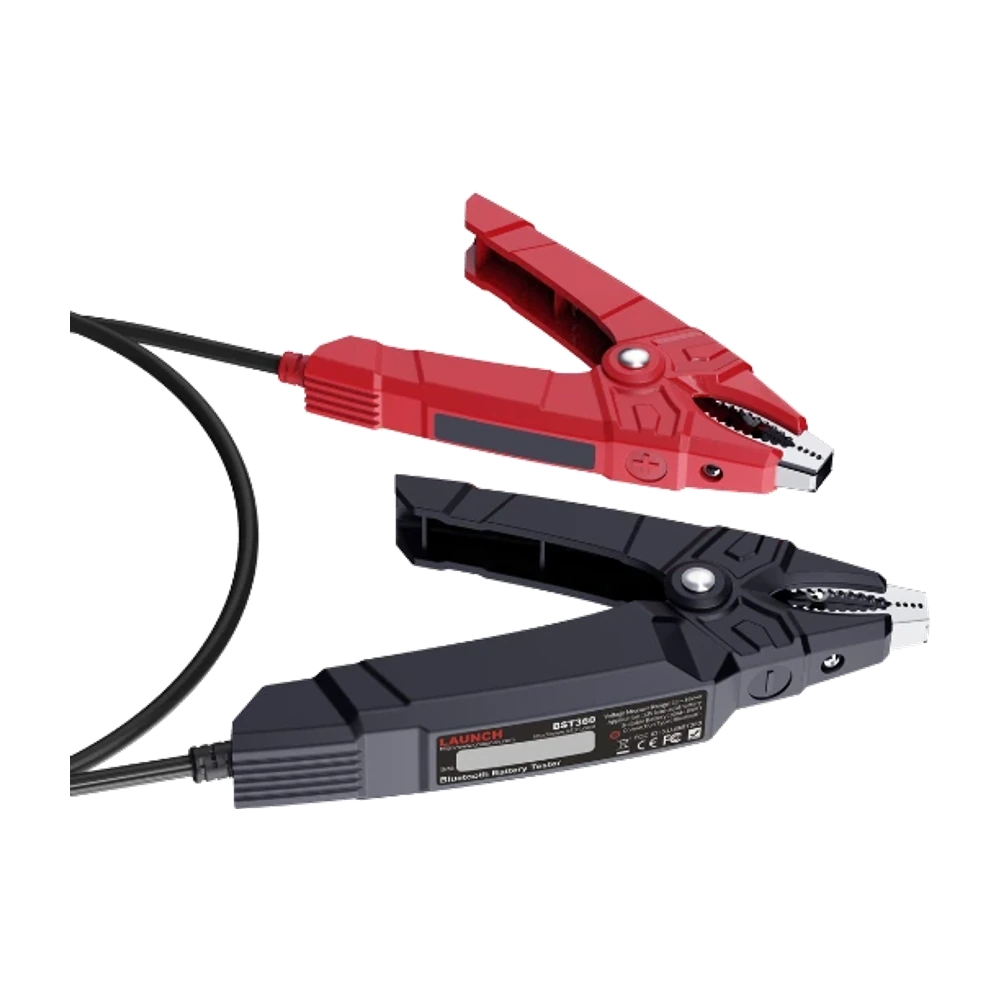
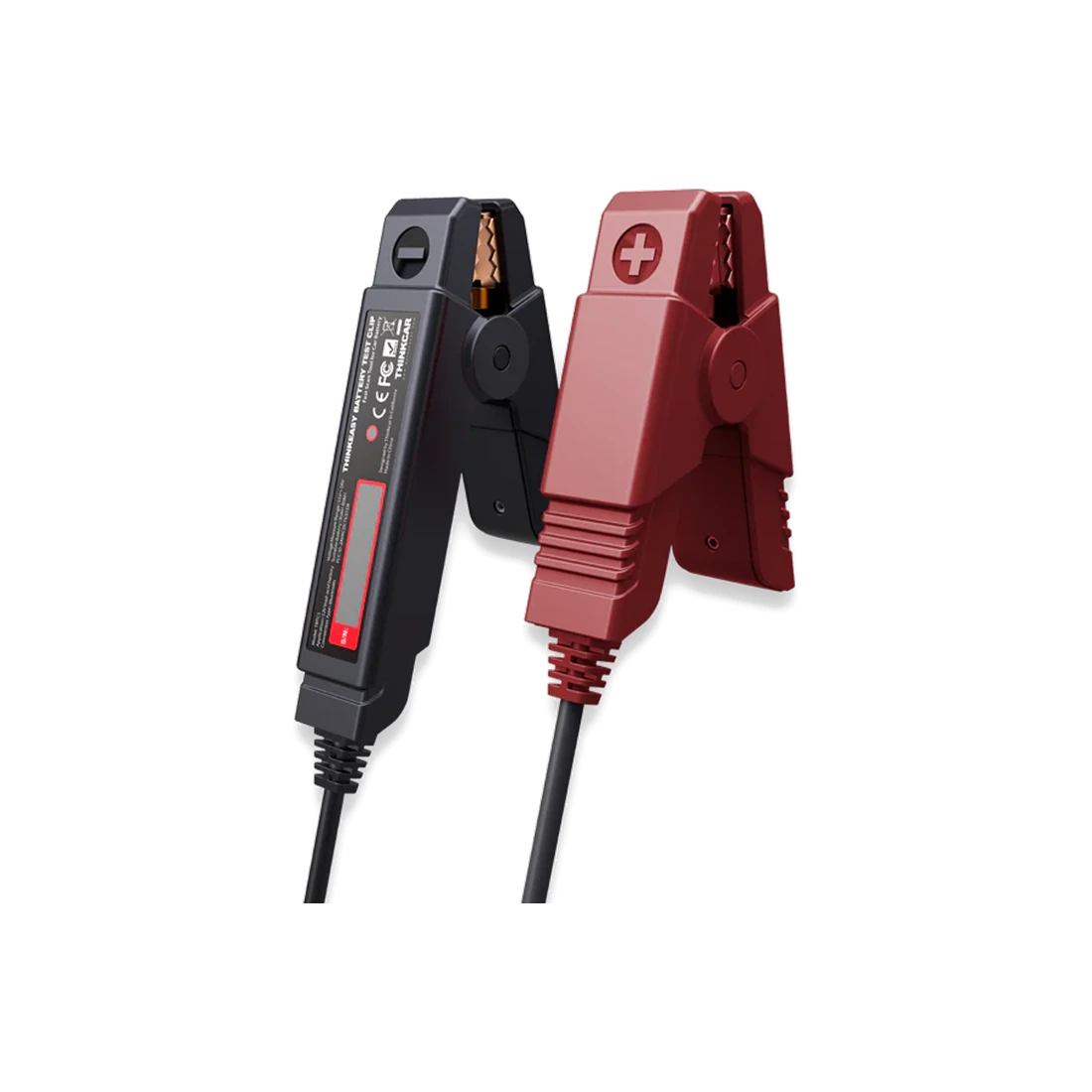
Check the package list to see which device includes the clamp, cable, printer, application license, and BMS function. In this offer, the invoice, serial number, package contents, account or license, update method, and return conditions must be visible before payment; the total cost in the offer for battery, charging system, and BMS diagnostics in Ankara is read under these conditions.
Seeing the physical product upon delivery in Ankara is beneficial; the measurement temperature, battery label, test result, cranking voltage, and charging value must be entered into the vehicle record. License and vehicle support are verified separately. For online orders, seller information, pre-notification, and distance selling conditions are read; the record order is maintained upon delivery for battery, charging system, and BMS diagnostics in Ankara.
Simply clearing fault codes during purchase does not fix weak power supply; low voltage can generate numerous communication codes in other units. The account, license, VCI, socket, and battery costs of a second-hand device are examined separately for this usage need; account transfer and battery status are also inquired about for battery, charging system, and BMS diagnostic purchases in Ankara.
Decision guide
Initial use and verification
The first step for this usage is to record the measurement temperature, battery label, test result, cranking voltage, and charging value into the vehicle record. The delivery record includes the serial number, box contents, charger, cable, or VCI, and software version within the Ankara scope; this record is filed upon delivery for battery, charging system, and BMS diagnostics in Ankara.
The first test is performed on a vehicle with a healthy power supply and known information; record the battery type, capacity, age, the vehicle's energy management system, and at what temperature the complaint occurs. During the process, automatic recognition is compared with the vehicle, the scan report is saved, and readable units are reviewed; the appropriate test tool for battery, charging system, and BMS diagnostics in Ankara is selected.
In Ankara reporting, if difficult starting persists despite a newly installed battery, a check of the terminal connections, starter circuit, and parasitic current may be necessary. Codes are not presented as definitive part diagnoses; symptoms, measurements, physical checks, and post-repair results are written separately; measurements and interpretations are written separately in the diagnostic fault finding report for Ankara.