EV diagnostics

Electric and hybrid vehicle fault diagnostic tools

Compare independent devices and EV add-on kits used for control unit scanning, BMS, and battery data in electric and hybrid vehicles; evaluate physical high-voltage measurement equipment separately from the diagnostic tablet.

Device Classes

Compare models from different brands and levels.

Get support with vehicle information

What to check when choosing an EV diagnostic device

First, define the task: general system scan, BMS live data, or battery pack test? Then, distinguish between an independent EV device and an add-on kit for your existing tablet; verify vehicle-model-year coverage, compatible main device, adapters, and software license from the official product documentation.

  • BEV, PHEV, and HEV vehicle-model-year coverage
  • Data required for BMS, charging, and thermal systems
  • Difference between BMS scan, SoH report, and capacity test
  • Independent device or add-on connected to the main tablet
  • VCI, adapter, activation, and license contents
  • Distinction between diagnostic data and physical HV measurement
  • Live price, stock, and total package cost

Products

Electric vehicle fault detection devices and EV kits

Compare model level, usage area, and price information on the same screen.

ModelLevelUsagePriceView
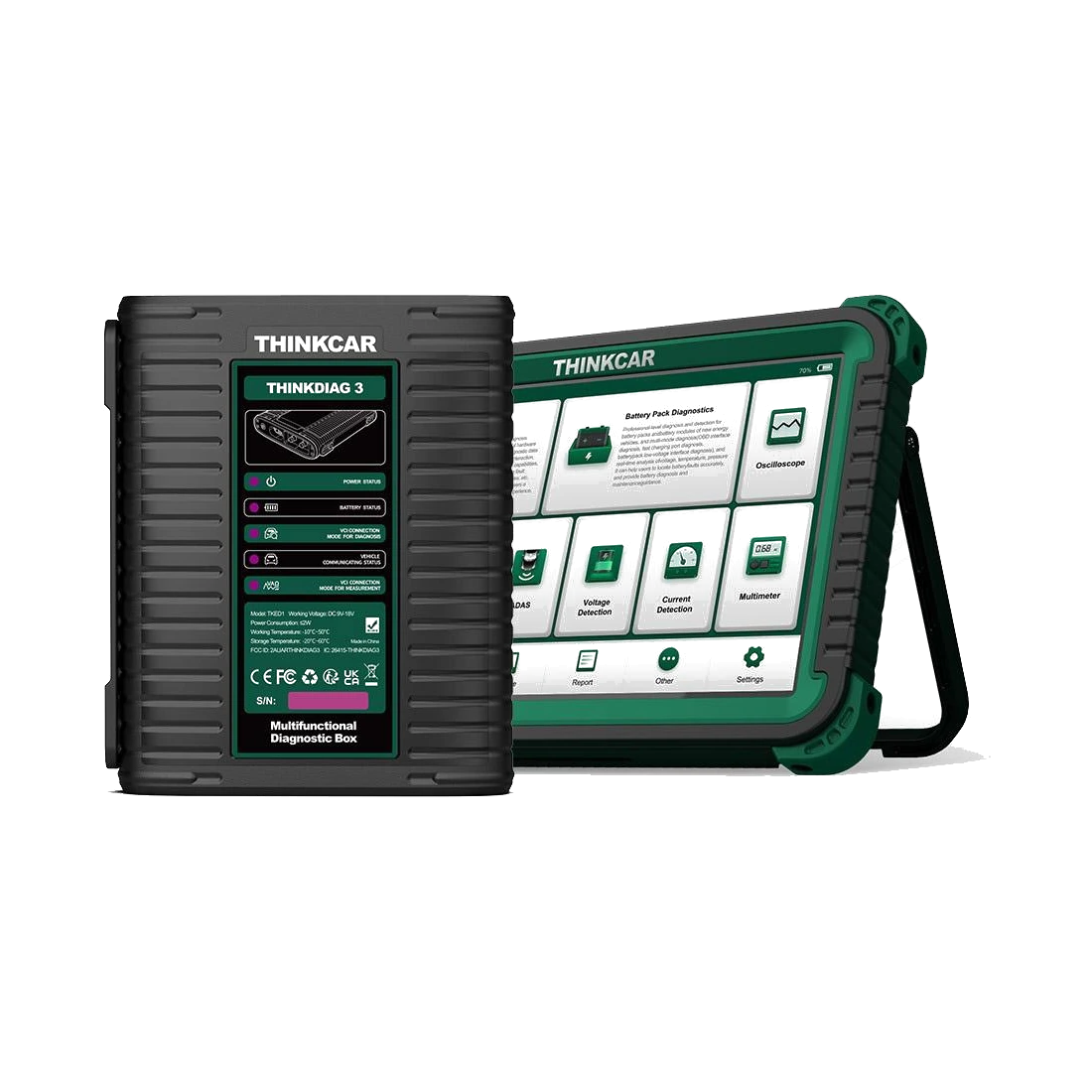
Thinktool CE EVDThinkcarProfessional
  • EV diagnostics
  • Battery check
≈ $3,378169,682 TL charged · VAT included · import duties excludedView
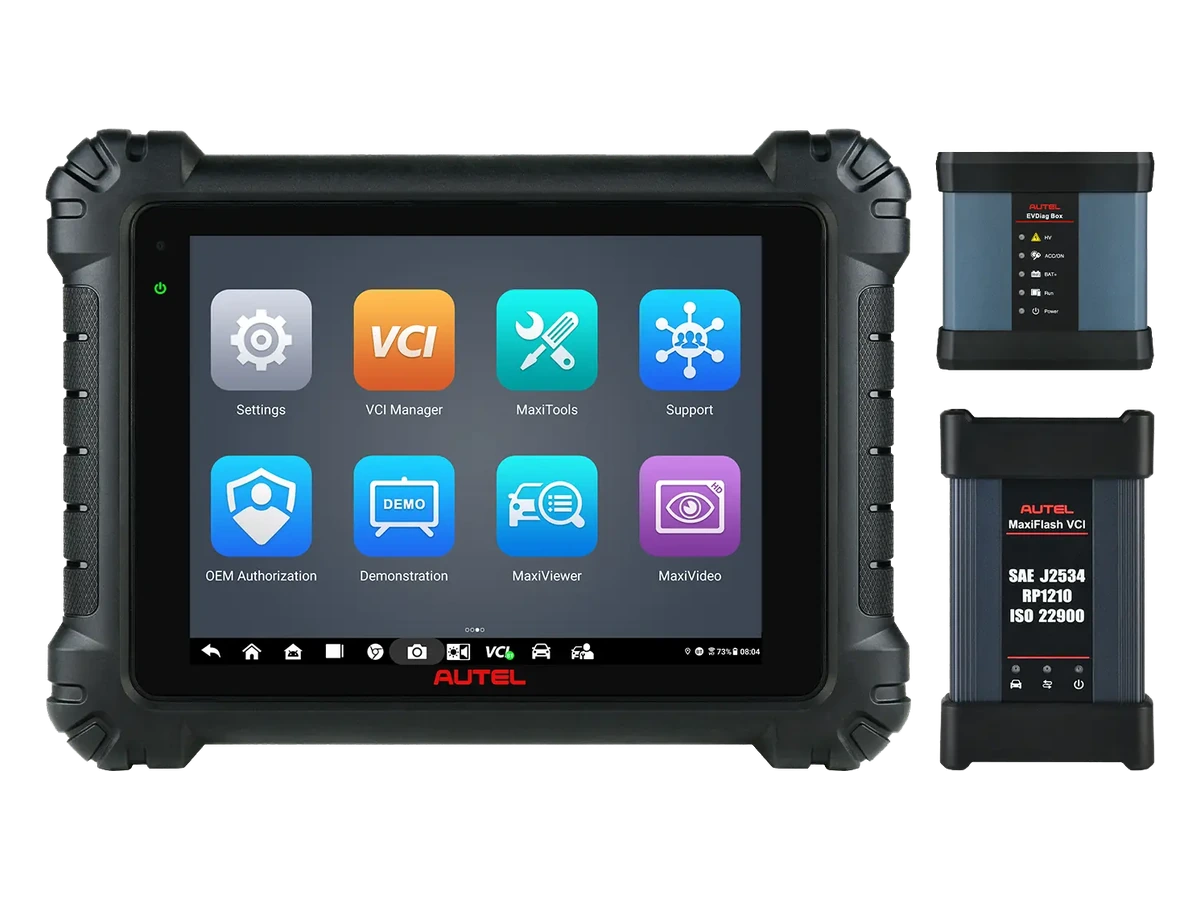
Autel MS909 EVAutelProfessional
  • EV systems
  • Battery side
≈ $4,161209,000 TL charged · VAT included · import duties excludedView
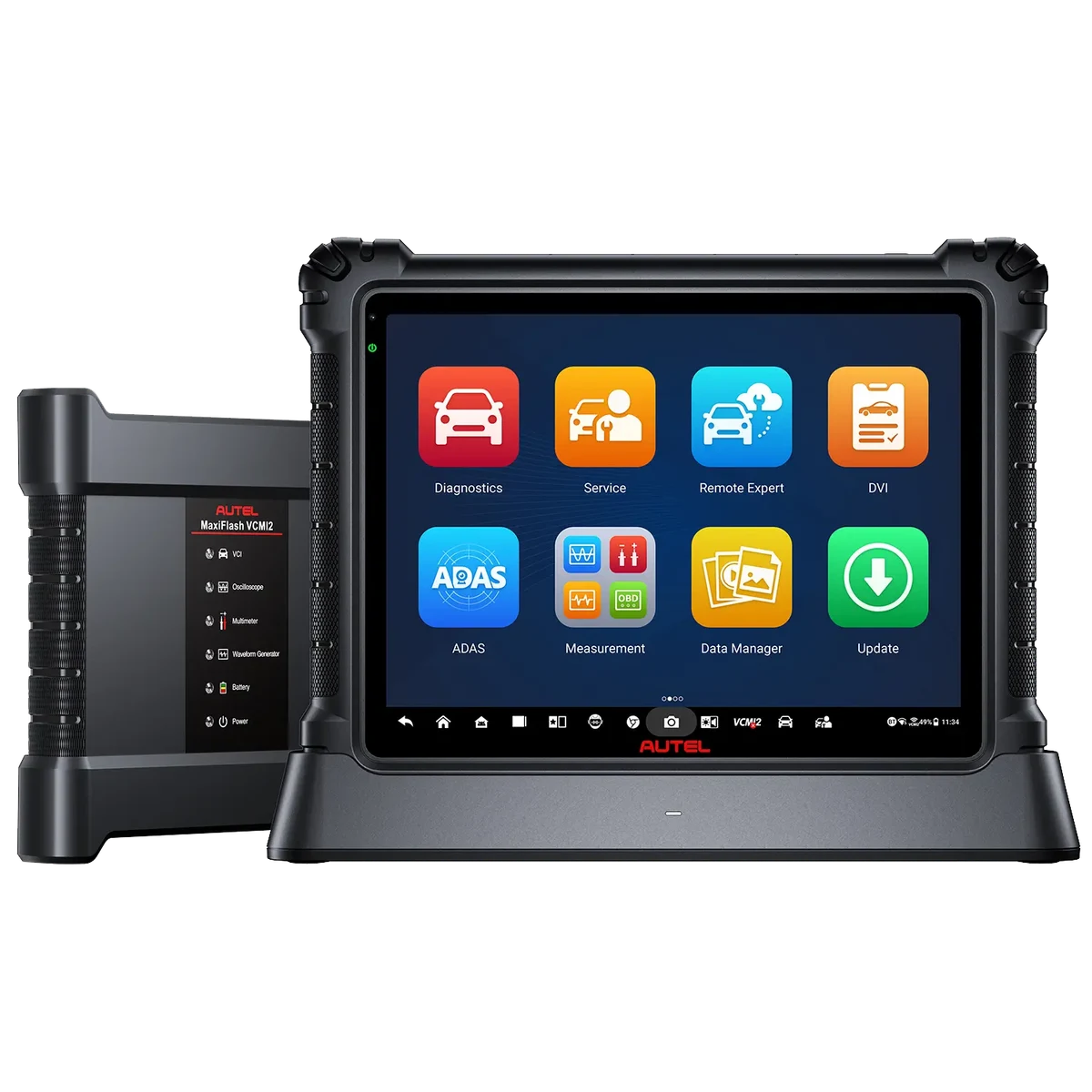
Autel MaxiSys Ultra S2 EVAutelProfessional
  • EV diagnostics
  • EVDiag Box
≈ $6,369319,900 TL charged · VAT included · import duties excludedView
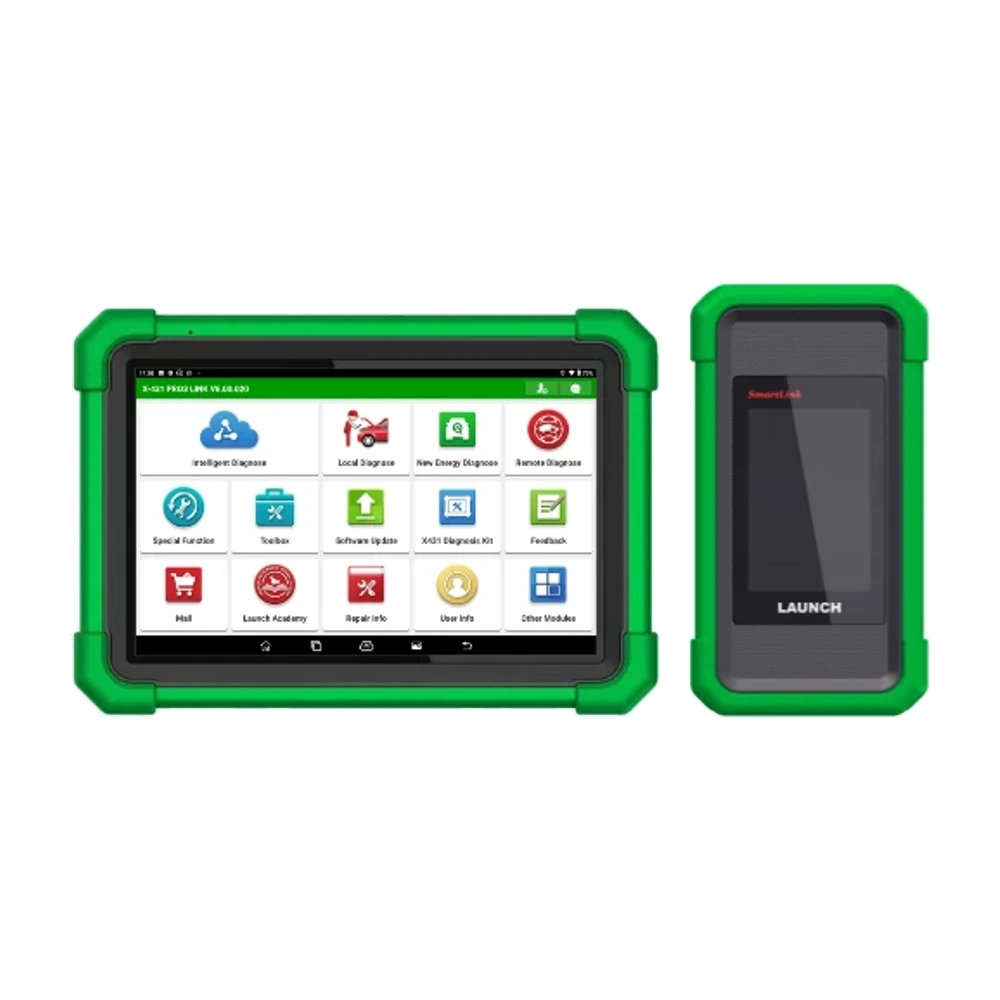
Launch EV Diagnosis Add-On KitLaunchSpecialty operation
  • EV diagnostics
  • Battery pack data
≈ $73536,900 TL charged · VAT included · import duties excludedView
Autel MS919EVAutelProfessional
  • EV diagnostics
  • VCMI measurement
Out of stockView
Thinktool CE EVD product image

Thinktool CE EVD

Device for services wanting to inspect battery and EV systems separately on the electric vehicle diagnostics side.

  • EV diagnostics
  • Battery check
  • High voltage system
≈ $3,378169,682 TL charged · VAT included · import duties excludedIn stock
Autel MS909 EV product image

Autel MS909 EV

The Autel MS909 EV is a professional service device used for diagnostics and battery data on electric and hybrid vehicles.

  • EV systems
  • Battery side
  • Hybrid service
≈ $4,161209,000 TL charged · VAT included · import duties excludedIn stock
Autel MaxiSys Ultra S2 EV product image

Autel MaxiSys Ultra S2 EV

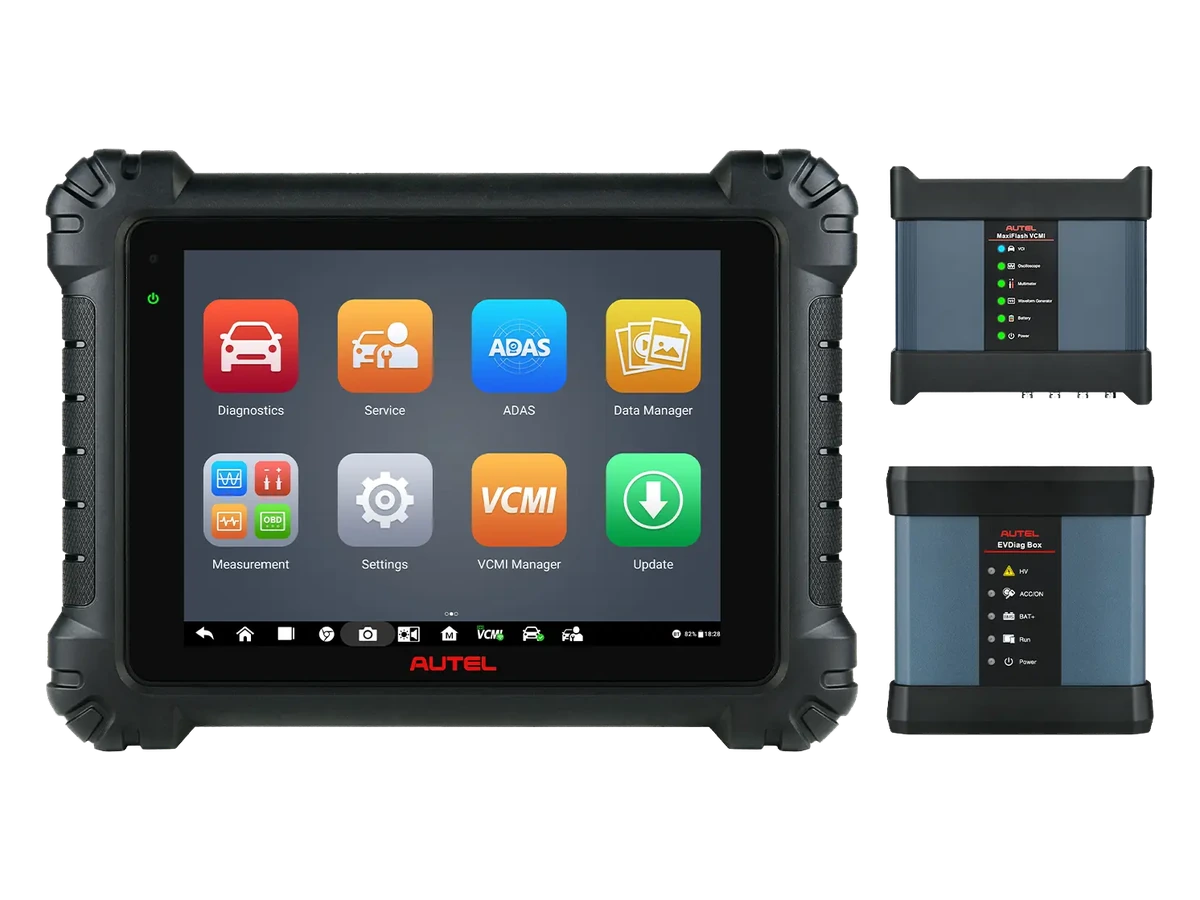
The Autel MaxiSys Ultra S2 EV combines the Ultra S2 tablet with the EV Diagnostics Upgrade Kit for electric and hybrid vehicle diagnostic tasks.

  • EV diagnostics
  • EVDiag Box
  • VCMI2 measurement
≈ $6,369319,900 TL charged · VAT included · import duties excludedIn stock
Launch EV Diagnosis Add-On Kit product image

Launch EV Diagnosis Add-On Kit

Launch EV Diagnosis Add-On Kit is a service kit that adds electric vehicle and battery connection adapters to compatible Launch X-431 devices.

  • EV diagnostics
  • Battery pack data
  • Additional connection kit
≈ $73536,900 TL charged · VAT included · import duties excludedIn stock
Autel MS919EV product image

Autel MS919EV

The Autel MS919EV is a professional device that handles electric-hybrid vehicle diagnostics in advanced service centers with its VCMI, EVDiag Box, and EV adapter package.

  • EV diagnostics
  • VCMI measurement
  • Battery pack data
Out of stockOut of stock
View

Selection Guide

EV diagnostic device and high voltage measurement kit are not the same

A diagnostic tablet reads fault codes and live data from supported control units. A battery pack connection kit, physical high-voltage measurement device, and insulation testing equipment perform different tasks. A product scanning EV vehicles does not mean it offers cell data, SoH, insulation testing, or de-energization verification on every vehicle.

  • Control unit scanning
  • BMS data provided by the vehicle
  • Battery pack connection
  • Physical HV and insulation measurement

Selection Guide

How to distinguish between an independent EV device and an add-on kit?

An independent EV diagnostic package may offer the tablet, VCI, and necessary software together. An add-on kit, however, only works with a compatible main device; adapters and activation alone do not replace the diagnostic tablet. Before purchasing, match the exact model of your existing device, the supported VCI, activation conditions, and the list of delivered cables.

  • Package including tablet and VCI
  • Kit added to an existing device
  • Software activation
  • Vehicle-specific battery adapters

Selection Guide

What to check when choosing an electric vehicle fault diagnostic tool?

In addition to vehicle make, model, and year, the battery management system, cell or module data, thermal management, onboard charger, and supported tests must be checked separately. The presence of the brand name on the manufacturer's vehicle list does not guarantee that the same data and functions will be available on every model; the required screen and functionality must be verified on a per-vehicle basis.

  • Vehicle and model year
  • BMS data and reporting method
  • Charging and thermal systems
  • Vehicle-specific coverage of the desired test

Selection Guide

How to compare battery health and cell data?

Values such as SoC, SoH, cell or module voltage, temperature, and pack difference are interpreted based on the data source and test conditions used by the device for that specific vehicle. In-vehicle BMS percentage, a quick scan, and a controlled capacity test are not the same level of evidence. When making a purchase decision, inquire about the data source for the report, the test conditions, and whether it is exportable.

  • SoC vs. SoH distinction
  • Source of cell and module data
  • Test conditions and report output
  • Avoid definitive remaining lifespan claims

Selection Guide

When looking for an EV battery tester, which device are you referring to?

Products referred to by the name 'electric vehicle battery tester' do not perform the same function. A diagnostic tablet reading BMS codes and live data via OBD, a solution that generates a manufacturer-specific SoH report, a capacity or balancing system that measures a removed module with controlled charge-discharge, and a physical insulation measurement device are separate classes. Products in the Otobiltek category are diagnostic tools and EV add-on kits; they are not offered as laboratory-type capacity-balancing systems.

  • BMS code and live data scan
  • Vehicle and license-dependent SoH report
  • External capacity and balancing system
  • Insulation and dead voltage measurement

Selection Guide

If an electric vehicle is not charging, which systems should the device scan?

Charging issues are not solely linked to the traction battery. A diagnostic device should be able to scan the 12-volt supply, charge port and lock, onboard charger (OBC), DC/DC converter, battery contactors, thermal management, and charging communication as separate control units on a supported vehicle. Since AC and DC charging paths may use different components, the report includes under which connection and condition the fault occurred.

  • 12V supply and DC/DC
  • OBC, charge port, and lock
  • Contactor and charging communication
  • Battery temperature and thermal management

Selection Guide

What report is required for used electric vehicle inspection?

In a used EV pre-inspection, a general full system scan, BMS codes, current SoC, battery temperature, accessible cell or module differences, charging system records, and the name of the SoH method used are stored together. This diagnostic report is not a standalone certificate for physical battery damage, real usable capacity, or remaining life. Bodywork, mechanical, brake-suspension, and high-voltage safety checks are performed with their own equipment and procedures.

  • Full system and BMS fault record
  • SoC and temperature at the time of test
  • Clear name of SoH method
  • Physical inspection and HV safety boundary

Selection Guide

Determine the safety limit for high voltage operations

Reading electric vehicle diagnostic data and performing physical operations on high-voltage circuits are different risk levels. A status information on a tablet screen does not solely prove physical de-energization. High-voltage systems should not be tampered with without qualified personnel, the vehicle manufacturer's procedures, appropriate personal protective equipment, and measurement tools.

  • Qualified personnel
  • Manufacturer procedure
  • Personal protective equipment
  • De-energization verification

Related Guides

Guides related to this category

Model comparisons

Detailed comparisons for electric vehicle fault diagnostic tools

WhatsApp