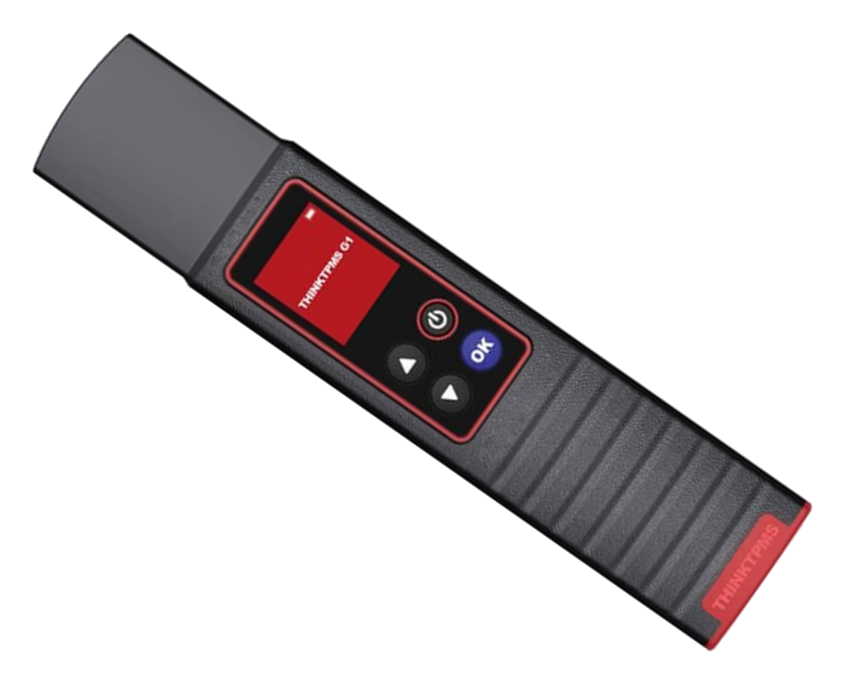
Product information
What does the ThinkTPMS S1 Sensor do?
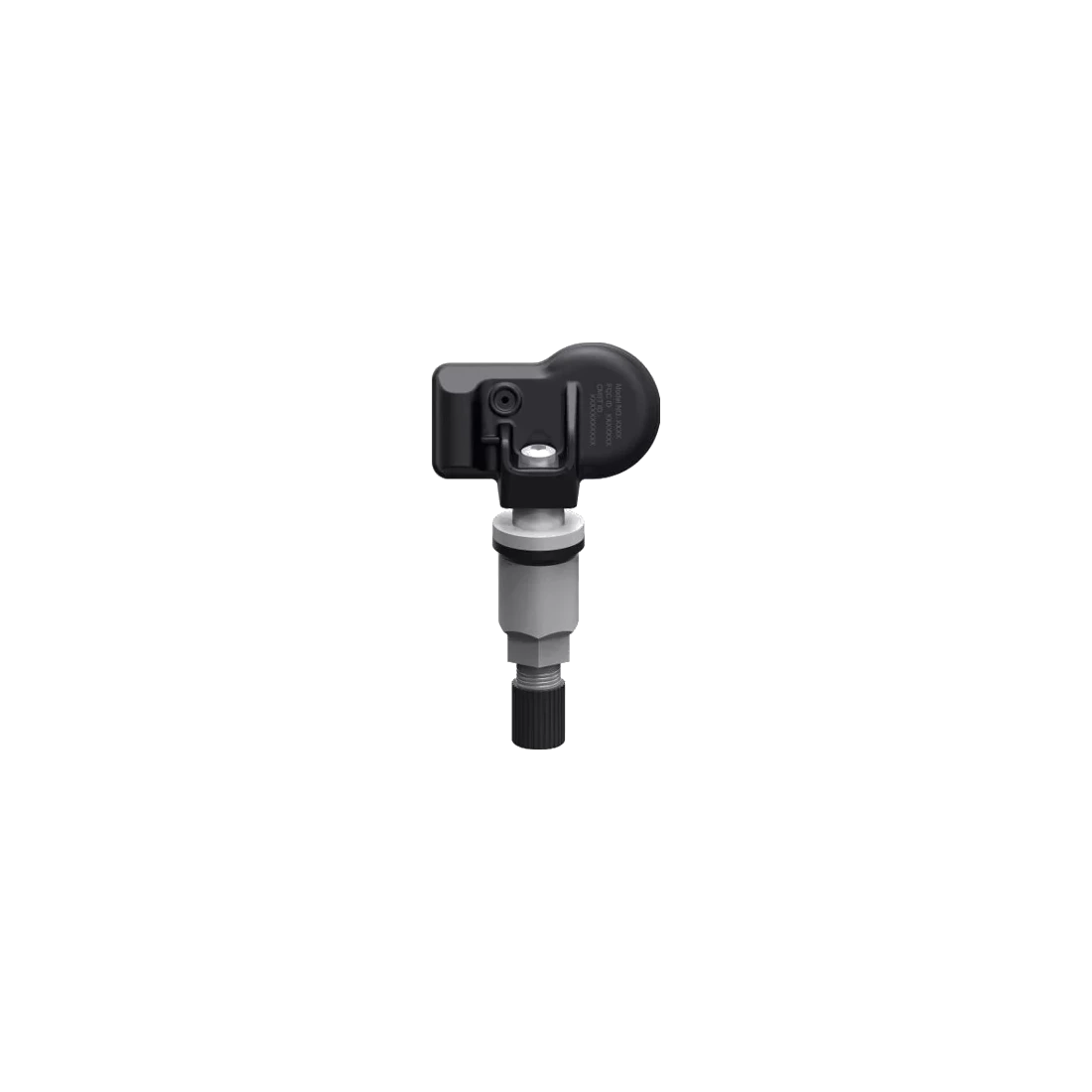
The ThinkTPMS S1 is a replacement sensor programmed to replace a faulty or end-of-life OE TPMS sensor. The sensor is not a programmer itself. Vehicle registration, frequency, sensor ID, compatible THINKCAR service device, and the vehicle's relearn method must be verified before installation.
Sensor and vehicle coverage
Which vehicles can the ThinkTPMS S1 Sensor be used with?
TPMS sensor compatibility is not solely determined by vehicle make. The frequency, valve type, sensor protocol, programming device, and relearn method on the vehicle must be verified together.
- Supported makes
- Makes included in the compatible TPMS service device's current vehicle and sensor database
- Supported models
- Vehicles with matching model year, market region, frequency, and sensor protocol
- Programming condition
- Officially supported TPMS service device and current sensor software for the product
- Information before ordering
- Frequency, Vehicle compatibility, Programming device
- Different market regions or production years of the same model may have different TPMS frequencies and sensors.
- Programming and the vehicle's sensor relearn are separate processes; the vehicle procedure must be applied separately.
Open official sources and coverage connectionsProduct details
What does the S1 sensor do?
The S1 is a programmable replacement sensor used to transmit tire pressure information to the vehicle's TPMS receiver. The old sensor's ID can be copied, or a new ID can be created for the vehicle; the method used depends on vehicle and service device support.
The sensor does not read fault codes, display tire pressure on the screen, or initiate a vehicle relearn procedure on its own.
Product details
Frequency and vehicle compatibility verified before installation
The terms 315 MHz and 433 MHz are not features to be randomly selected in the same order. The vehicle's market, model year, existing sensor record, and the manufacturer's compatibility list determine the correct frequency. Different TPMS sensors may be found within the same chassis depending on the market or production year.
Do not remove the tire and program the new sensor without reading the old sensor label and vehicle information.
- Product Type
- Programmable TPMS replacement sensor
- Frequency
- 315 MHz or 433 MHz based on vehicle registration
- Required equipment
- Compatible THINKCAR TPMS programming device
- Final step
- Relearning according to vehicle procedure
Product details
Programming, installation, and relearn are separate steps
First, the old sensor ID, frequency, and tire position are recorded. A new ID is written to the S1 sensor using a compatible TPMS device after selecting the correct vehicle and sensor family. Then, the valve and sensor are installed onto the tire with the correct torque and angle; leak and balance checks are performed.
Finally, the vehicle's automatic, stationary, or OBD-based relearn procedure is completed, and the warning light is checked.
- Record the old sensor ID and frequency
- Program the new sensor with a compatible device
- Complete valve, leak, and balance checks
- Perform relearn on the vehicle
Product details
Replacing a faulty sensor with S1
When a vehicle arrives with a TPMS warning, first read the sensor ID, pressure, temperature, and if accessible, the battery status of all tires using a compatible service device. Differentiate whether the warning is due to low tire pressure, a non-communicating sensor, or an issue with the vehicle's receiver or relearn record.
Record the existing sensor ID and frequency of the tire to be replaced; verify the vehicle model year and market information on the manufacturer's compatibility screen. After removing the tire, inspect the sensor and valve for physical damage, corrosion, and seal condition.
Program the new S1 sensor with the correct vehicle registration and frequency; re-read the written ID before installation to confirm. Install the sensor at the position and torque permitted by the tire equipment manufacturer and vehicle procedure. After inflating the tire, perform a leak check around the valve and a tire balance.
Complete the required stationary, automatic driving, or OBD-based relearn procedure for the vehicle. The final check involves reading the ID and pressure data for all four tires, recording the status of the warning light, and saving the old and new sensor information in the service record.
- Differentiate if the warning is due to pressure, sensor, or relearn record
- Record the old ID, frequency, and tire position
- Re-read the programmed S1 ID before installation
- Check leak, balance, and vehicle relearn results together
Product details
Copying old sensor ID or creating a new ID
If the old sensor can still be read, the service device records the existing ID, frequency, and tire position. If the vehicle and programming device support writing the same ID to the new S1 sensor, the copy method can be selected; this method may reduce the need for OBD relearning on some vehicles, but it is not guaranteed for all vehicles.
If the old sensor cannot be read or the vehicle requires a new ID, use the method of generating a new ID allowed by the service device for the vehicle registration or introducing it via OBD. The same ID should not be used on two active tires; IDs of sensors in spare or seasonal sets should also be recorded to avoid confusion.
After programming is complete, the new sensor is read again with the device, and it is confirmed that the written ID matches the service record. After physical installation, leak, and balance checks, the relearn step from the manufacturer's procedure is applied. If a contact cycle, specific tire order, driving duration, or OBD connection is required, these conditions are noted in the service record.
The operation is considered complete not only when the warning light goes out but also when the correct position and pressure data for each tire are displayed.
- Check the option to copy the ID on a readable old sensor
- Use the supported new ID method for the vehicle on an unreadable sensor
- Do not use the same ID on two active sensors
- Match ID, position, and pressure information in the final read
Product details
Preparing sensors for a second set of wheels
When preparing a second set of wheels and tires, first check the number of registered sensors on the vehicle and the relearn method. Read each sensor in the current summer or winter set along with its tire position; add the IDs to the service record in a way that avoids confusion. Verify the frequency and vehicle compatibility of the S1 sensors to be used in the new set on the manufacturer's current list.
If the vehicle supports copying the same IDs to a second set, programming and checks are performed without having both sets near the vehicle simultaneously. If the vehicle requires learning new IDs with each set change, a separate ID is prepared for each sensor, and the manufacturer's relearn procedure is applied during the change.
Before installing the sensors on the wheels, inspect the valve structure, seal, nut, and mounting angle; ensure that the wheel and sensor housing do not press against each other. After inflating the tires, complete leak and balance checks. When the set is installed on the vehicle, apply the necessary pressure change, activation with a device, or driving conditions for the sensors to wake up.
The final report includes the set used, the IDs, frequency, relearn method for all four tires, and the final status of the warning light.
- Record sensor IDs separately for each wheel set
- Verify if the vehicle requires an ID copy or a new learning process.
- Check assembly angle, valve parts, leaks, and balance.
- Reread all four wheels after set replacement.
Product details
Sensor battery, valve, and physical usage limits.
The TPMS sensor's battery is located inside a sealed housing and does not require separate charging during daily use. As battery life can vary based on transmission frequency, temperature, storage duration, and usage conditions in the vehicle, a fixed, unverified year warranty is not provided.
Low battery warning should not be confused with low pressure; the sensor must be read separately from the device. The valve stem, seal, and fastening parts can cause physical failure independently of the sensor. Corroded or damaged parts are not reused; apply the torque specified by the vehicle and sensor manufacturer to the metal valve.
Position the tire changer head so it does not apply pressure to the sensor's location. A sensor with a broken housing, loose valve, or air leak is not installed on the vehicle, even if programming is successful.
Unused sensors are stored dry and labeled, away from metal and strong RF sources; their intended vehicle or frequency is indicated on the packaging.
Product details
Package contents and required equipment.
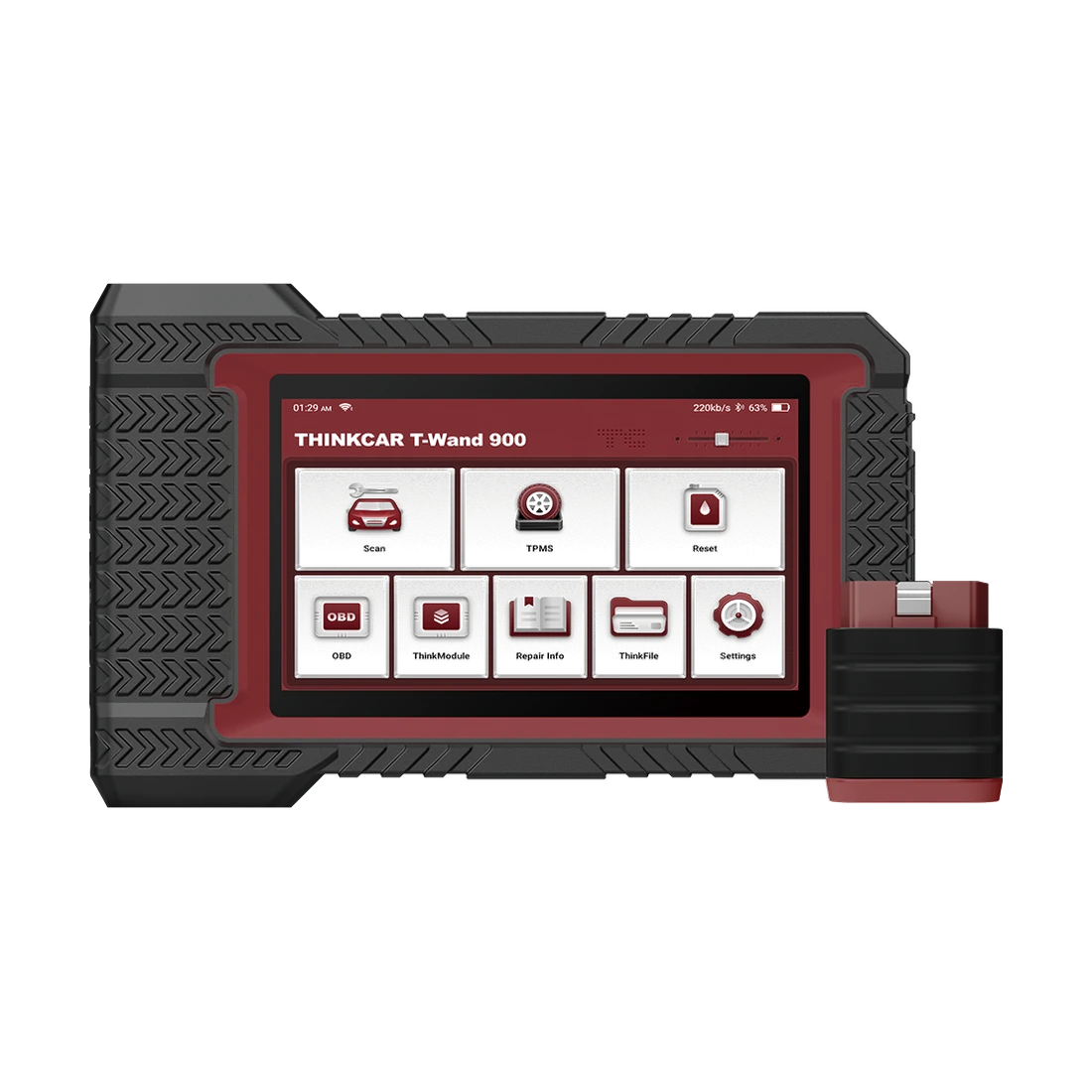
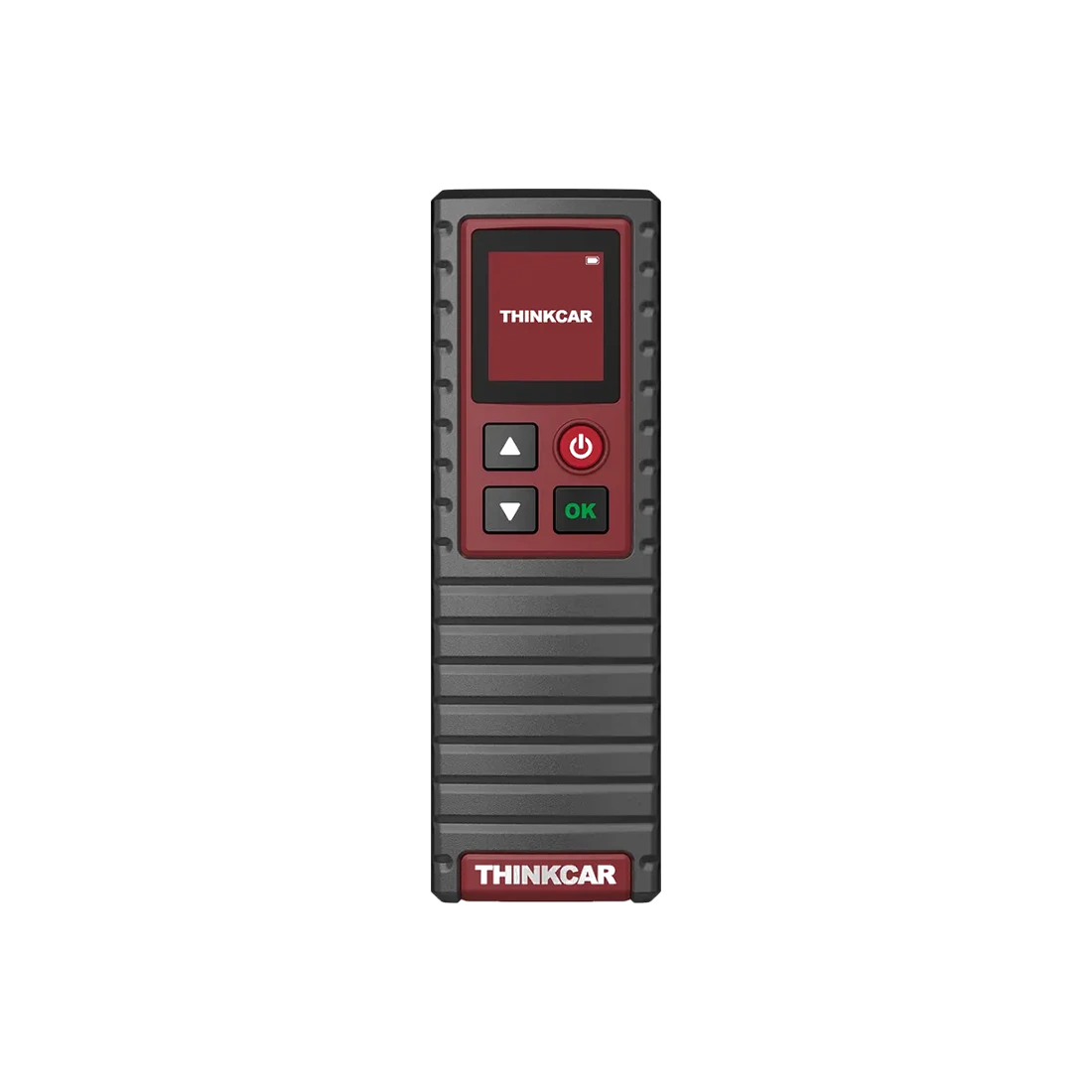
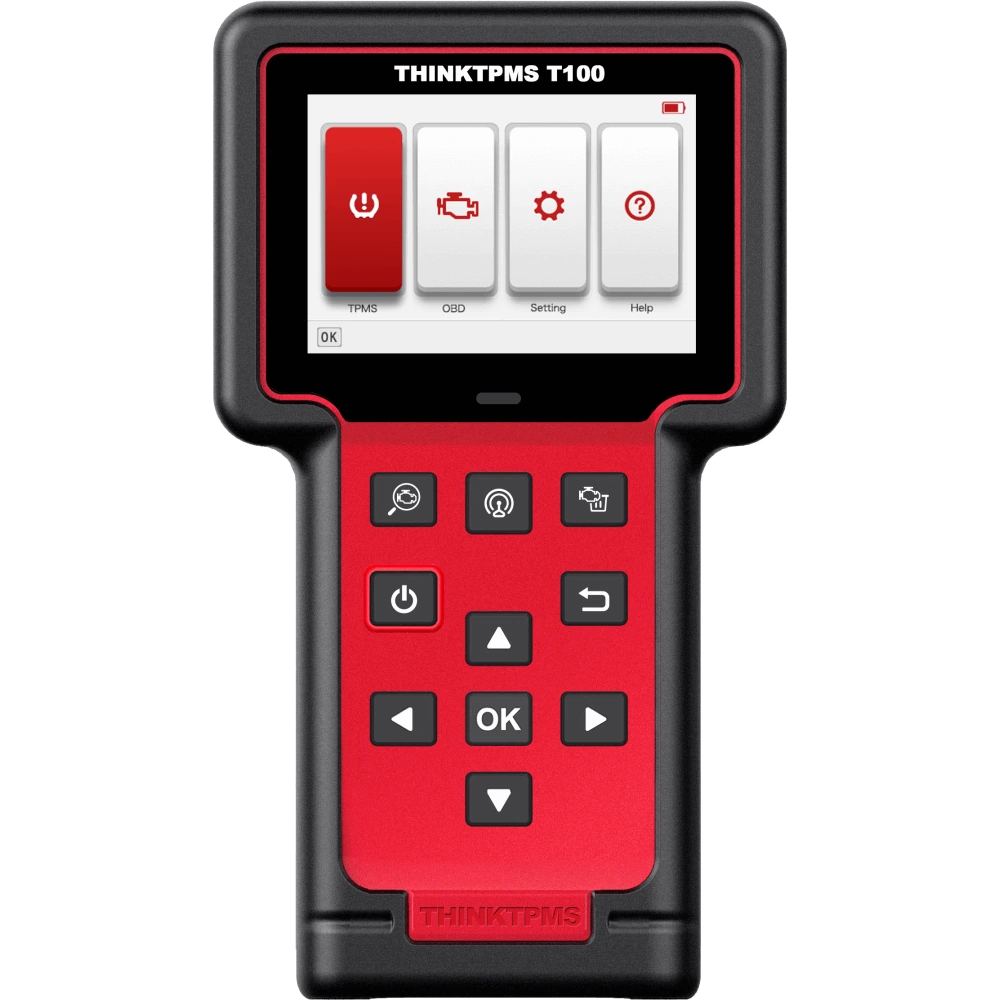
The number of sensors shown in the order record and the valve parts listed in the package determine the physical scope. A T100, T-Wand 200, or other programming device; tire changing equipment, and diagnostic tablet are sold separately. The presence of a service device in the manufacturer's visual does not imply it is included in the sensor package.