Selection Guide
How does a heavy-duty diagnostic tool differ from a passenger car device?
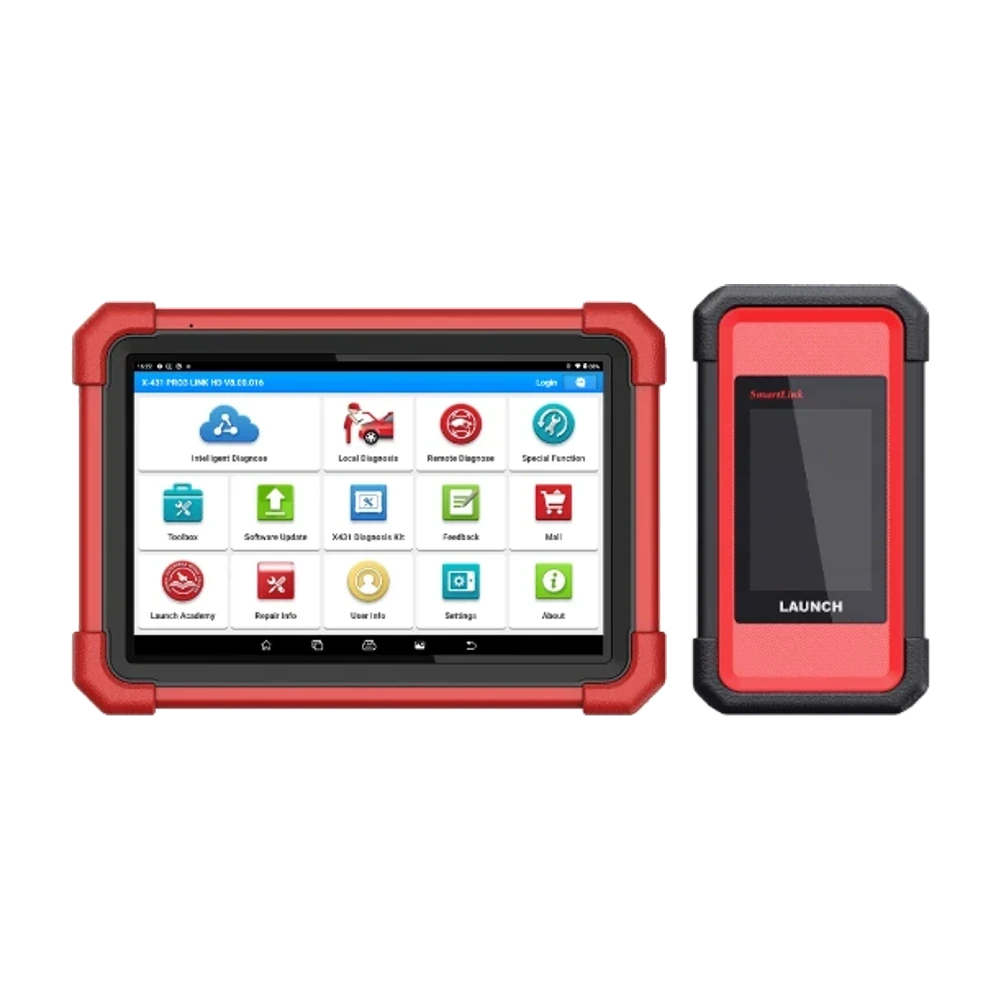
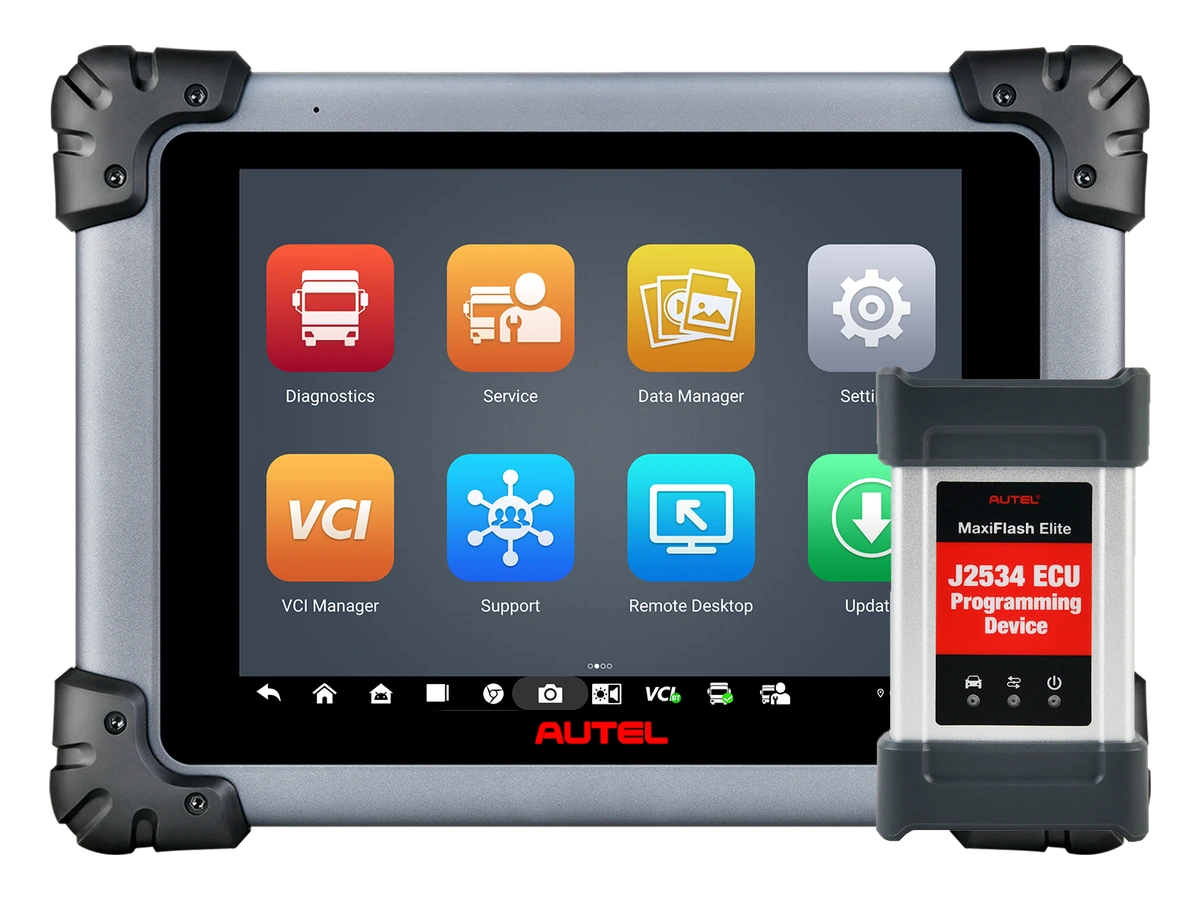
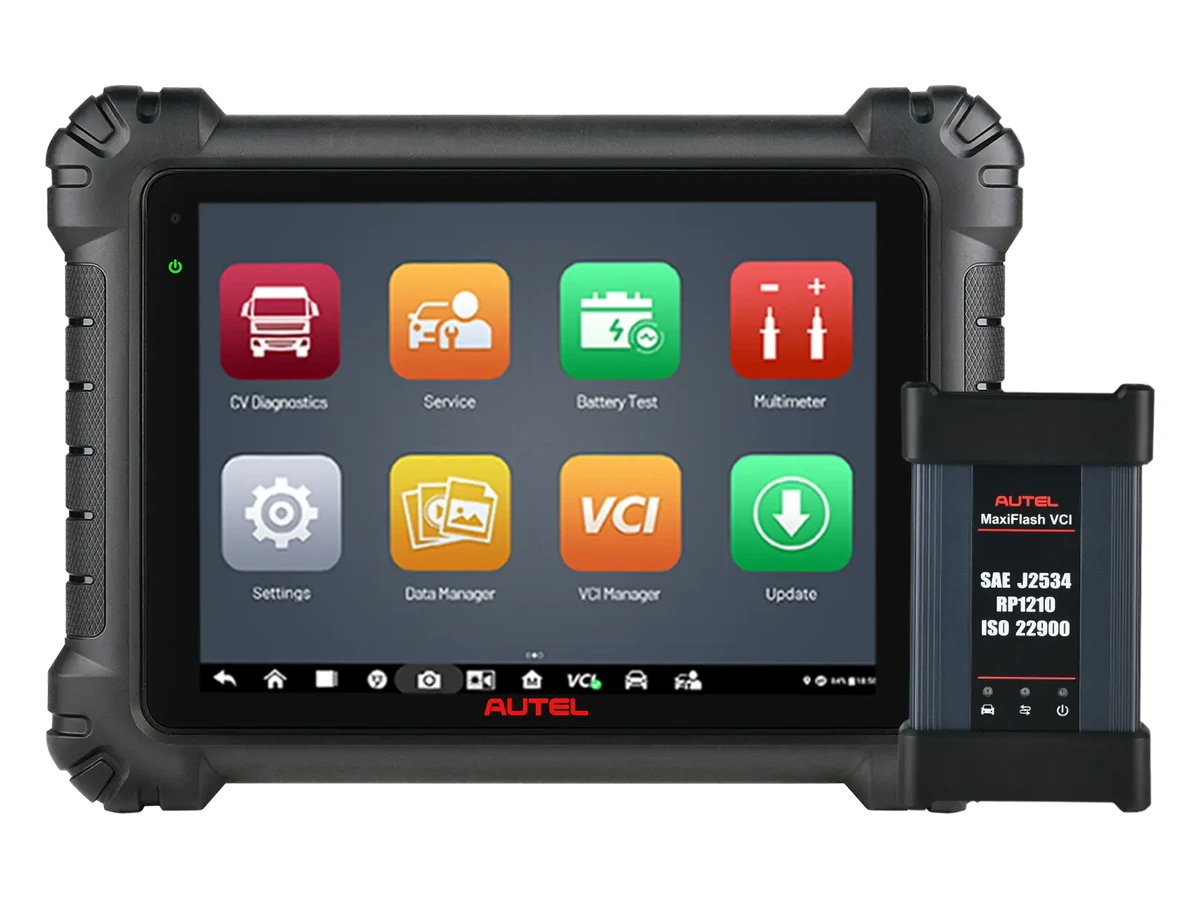
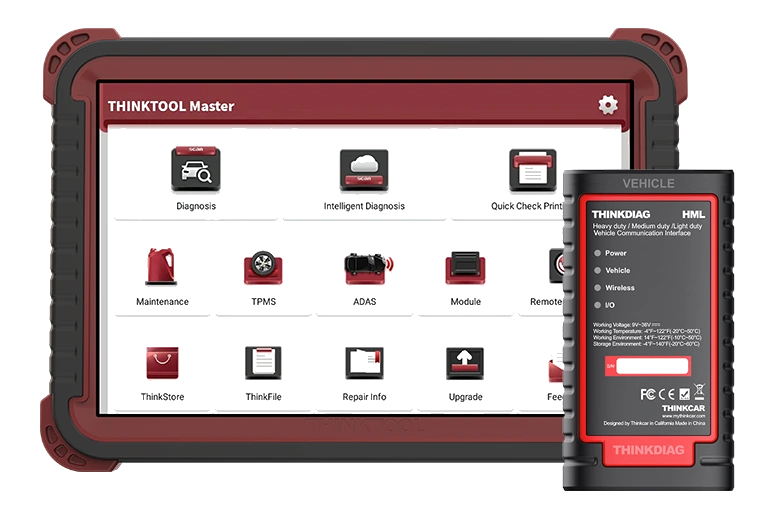
Trucks, tractors, and buses may have 24 V electrical systems, heavy-duty communication structures like J1939, and manufacturer-specific connections. A tablet used for passenger cars does not offer the same coverage without compatible heavy-duty VCI hardware, software, and the correct cable set. Product selection should be based on engine, transmission, ABS/EBS, and emission systems as much as vehicle brand.
- 12/24 V VCI support
- J1939 and manufacturer protocols
- Engine, transmission, and ABS/EBS coverage
Selection Guide
Why are heavy-duty cable sets and package contents important?
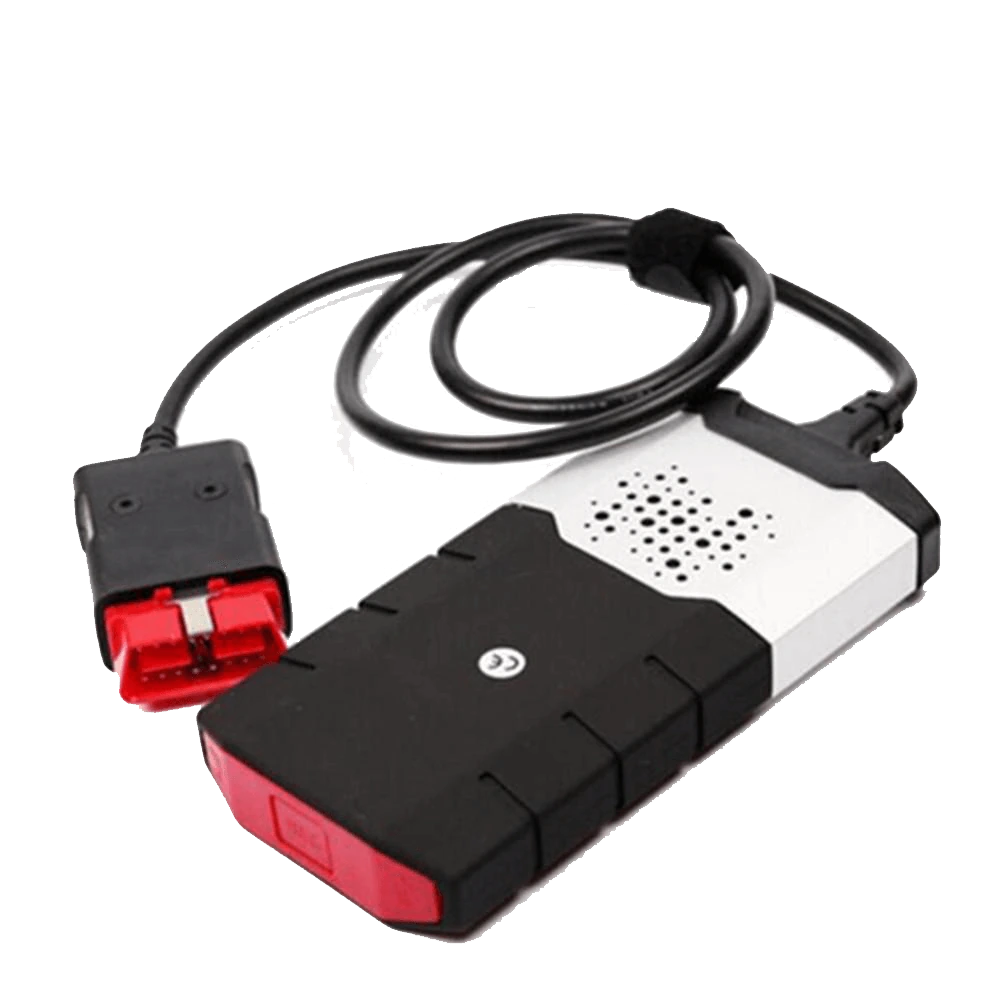
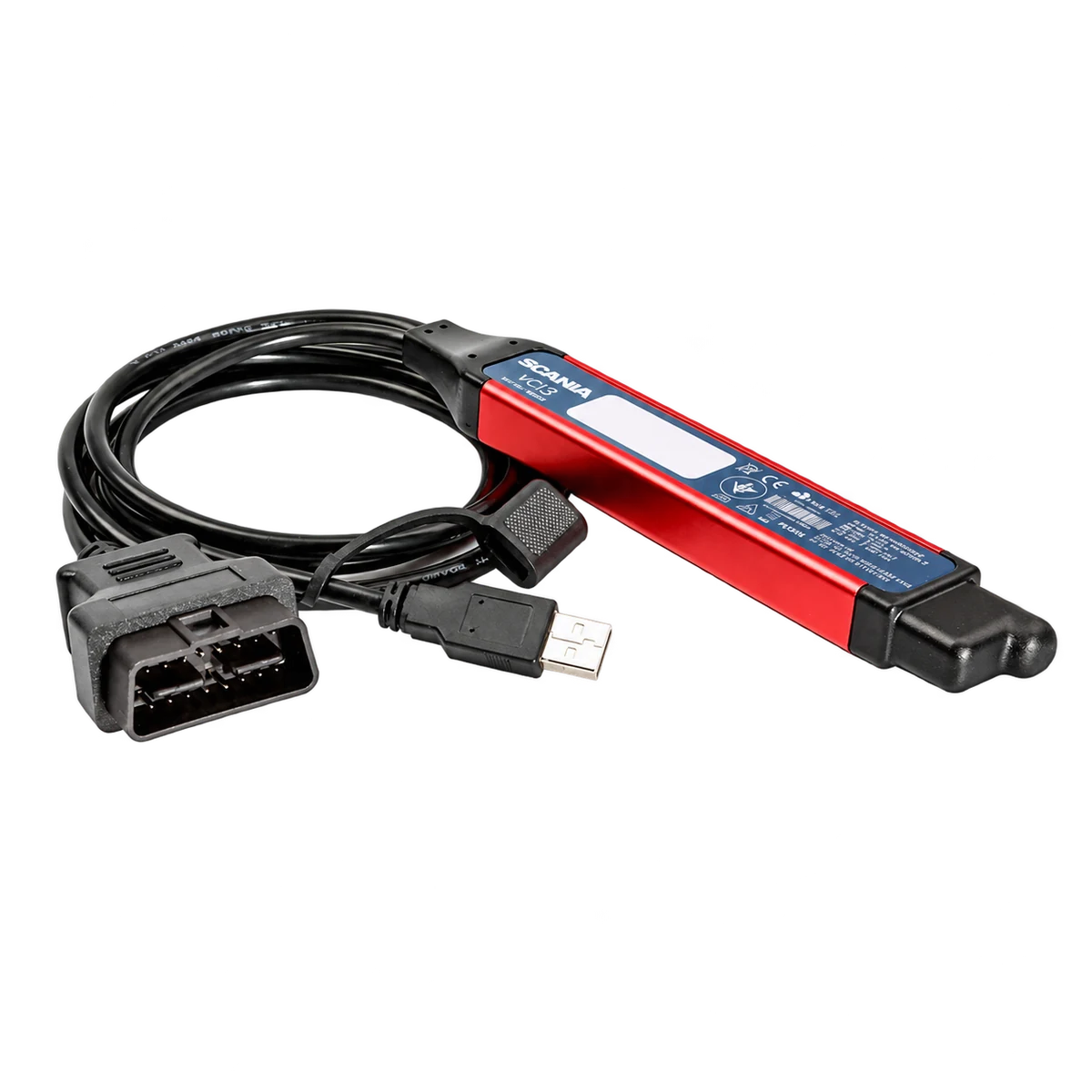
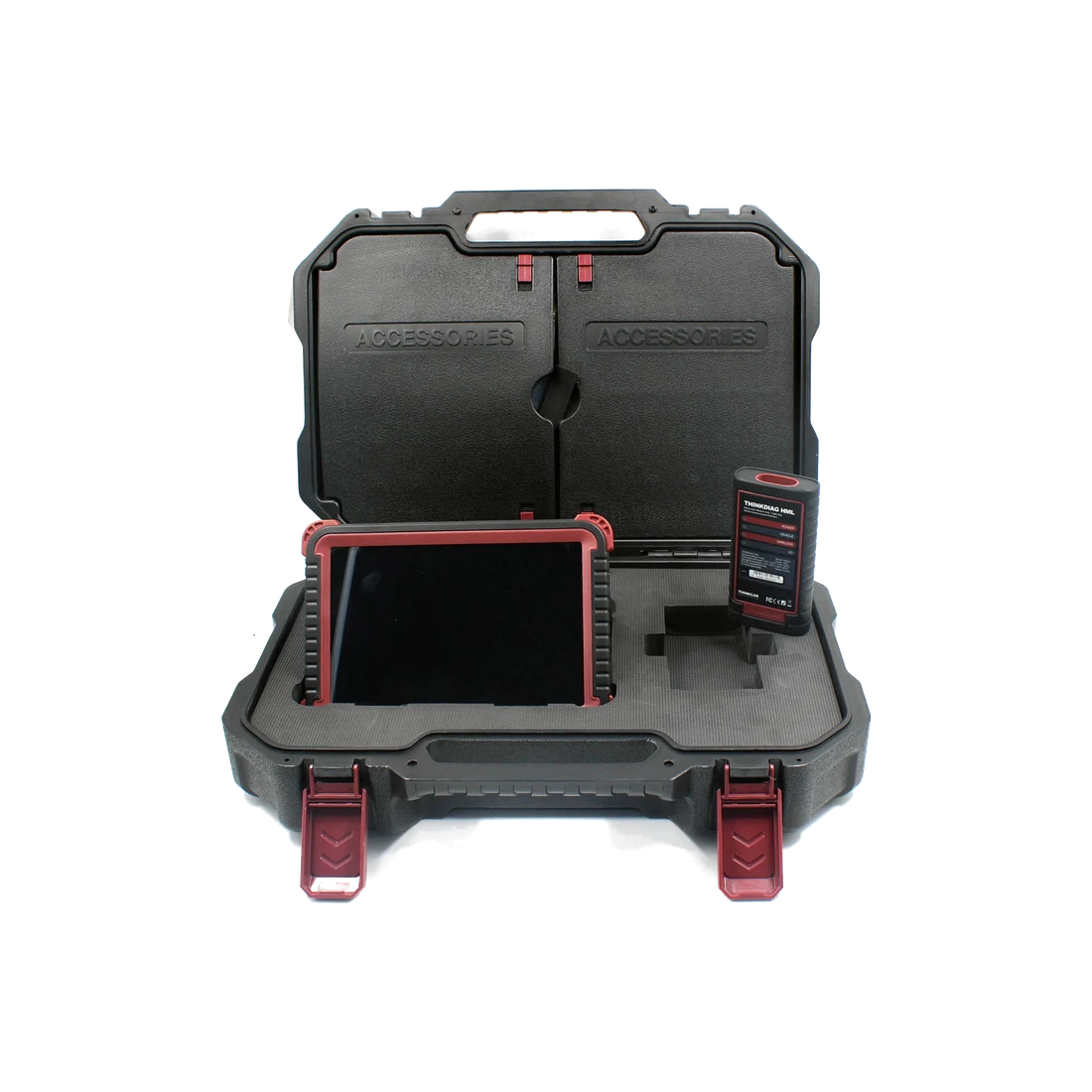
Even if a brand appears in the device software, the correct connector may be needed for physical connection to the vehicle being serviced. Separate cables may be used for older or manufacturer-specific sockets in addition to the standard 9-pin connection. Instead of relying on the package photo, compare the written delivery list of VCIs, cables, and adapters with the current package information on the product page.
- Vehicle socket type
- VCI to cable compatibility
- Adapters included in the package
- Cost of missing cables
Selection Guide
What functions should be compared in truck and bus service?
Code reading and live data are the basic starting points. In daily heavy-duty service, data for after-treatment systems, DPF/SCR operations, transmission, brake system, active testing, and reporting needs are evaluated separately. The menu name does not prove that the operation is supported for all vehicle makes and model years; vehicle and system coverage must be verified before purchase.
- Code and live data
- DPF, SCR, and AdBlue data
- Active test and calibration
- Service report