Product information
What is the Thinktool CE EVD used for?
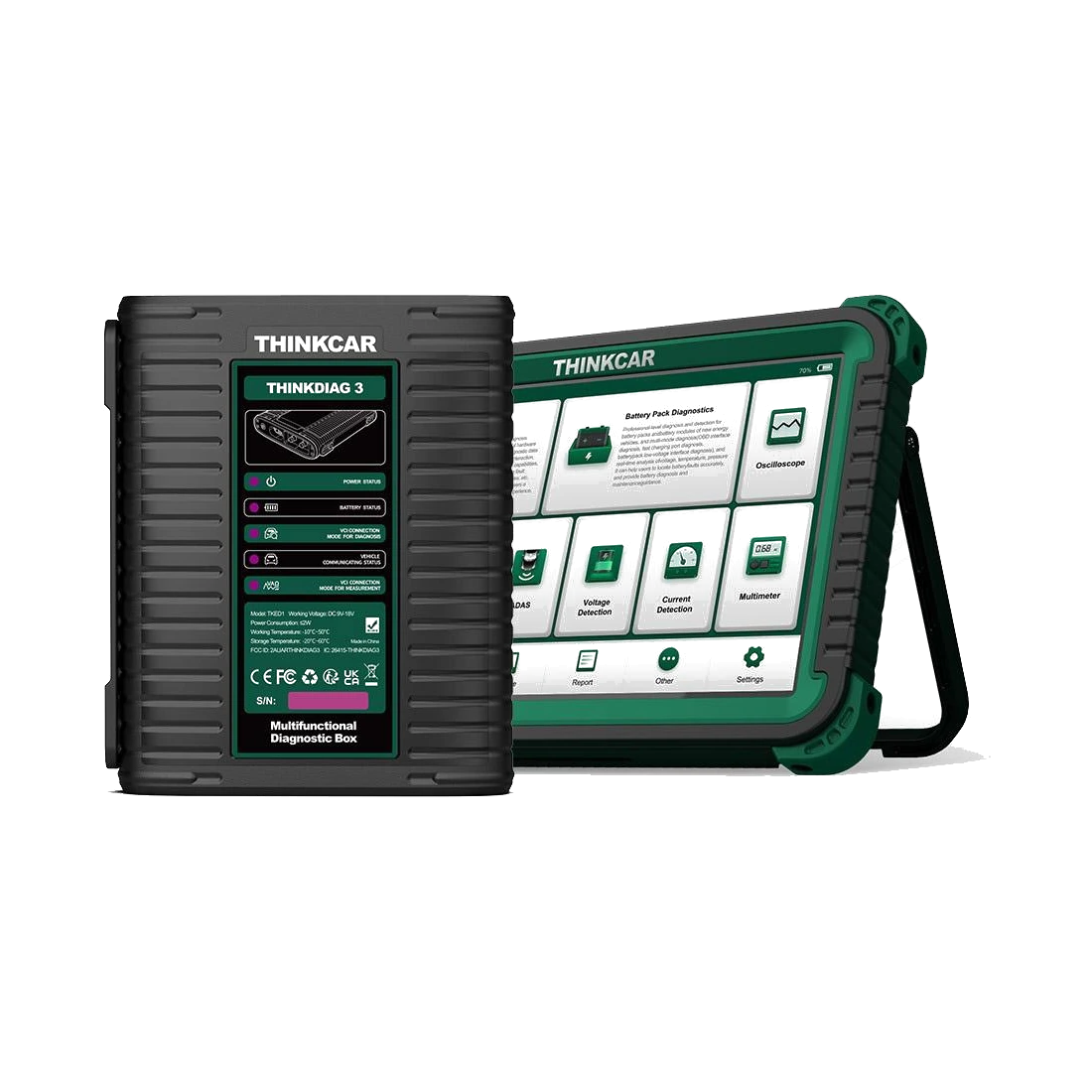
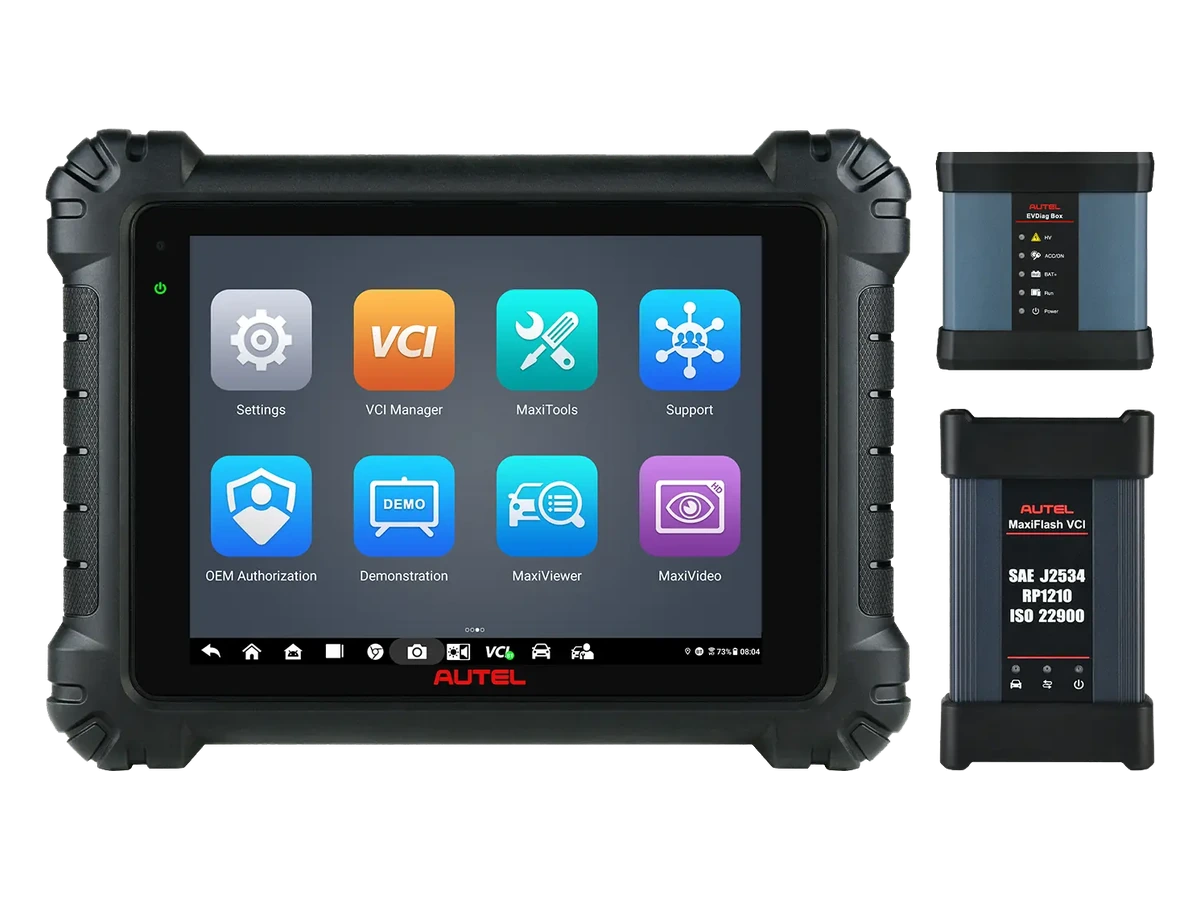
The Thinktool CE EVD is an EV-focused diagnostic system with a 10-inch Android 10 tablet, 4 GB RAM, 128 GB storage, and the ThinkDiag EV VCI. The official catalog lists over 80 EV brands, battery pack diagnostics, 18 manufacturer-specific battery connectors, and 30 maintenance functions.
High-voltage operations must only be performed by trained personnel with appropriate PPE, a de-energization procedure, and verified vehicle coverage.
Vehicle Coverage
Which vehicles does the Thinktool CE EVD support?
The make name alone does not guarantee compatibility. Within the same make, model year, engine, chassis, control unit, communication protocol, and intended operation can yield different support results.
- Vehicle Group
- Electric and hybrid vehicle systems found in the product or main device software
- Supported makes
- Multi-brand coverage; the current make list is obtained from the manufacturer's official vehicle or protocol database.
- Supported models
- Verified from the official coverage screen based on make, model, model year, engine or chassis, and control unit.
- Scope of service
- Code reading, live data, active test, service function, coding, and programming may be supported separately.
- Connection conditions
- EV brand coverage, Safe operation, Package contents
- The make and model examples on the page do not guarantee all production years and all functions.
- Before any definitive operation, the manufacturer's current coverage record must be verified with the VIN or full vehicle information.
Open official sources and coverage connectionsProduct details
10-inch EV diagnostic tablet
The official catalog lists a 10-inch display, Android 10, 4 GB RAM, 128 GB storage, a 12,600 mAh battery, and an 8 MP rear camera. The 3-in-1 interface named ThinkDiag EV combines diagnostic, oscilloscope, and TPMS functions within the same VCI structure.
- Screen
- 10 inches
- Memory
- 4 GB / 128 GB
- Battery
- 12,600 mAh
- VCI
- ThinkDiag EV 3-in-1
Product details
80+ EV brands and per-vehicle coverage
The manufacturer lists support for over 80 common EV brands. This number does not imply that the same battery data or active test will be available for every model. Vehicle, model year, battery type, control unit, and the scope of the operation are verified separately on the coverage screen.
Product details
Battery pack diagnostics and 18 connectors
The official catalog lists 18 manufacturer-specific connectors for battery pack diagnostics. It must be confirmed in writing that the required connector for the relevant vehicle is included in the box, and that the connection port and software package are compatible.
Product details
High-voltage safety is not a product feature
The device's EV menu does not provide sufficient capability for safe operation at high voltage. Authorized training, appropriate gloves and PPE, voltage verification, lockout/tagout, manufacturer service procedures, and a safe area are mandatory. Do not work on an energized system based solely on the device menu.
Product details
30 maintenance functions and two years of EV software
The official catalog lists 30 maintenance categories and two years of EV software updates. Post-term and regional conditions for licensing must be checked at the time of quotation. Coding or programming support depends on the vehicle, region, account, and security access; it is verified on a per-operation basis.
Product details
Service scenario: separating vehicle system from battery pack
First, the low-voltage supply and general EV control units are scanned. The battery pack connection is established only after the vehicle manufacturer's de-energization procedure is completed. Pack data, cell group differences, and isolation findings are compared against manufacturer limits; a part replacement decision is not made based on a single value.
Product details
General system scan of electric vehicles with the CE EVD model
For electric vehicle scanning with the CE EVD model, first verify the vehicle identification and low-voltage diagnostic connection. The CE EVD performs a general vehicle scan separately from physical access to the high-voltage enclosure. The main unit, EV software, vehicle identification, and any necessary adapter are paired before establishing the connection.
The initial CE EVD report records the battery, charging, thermal management, and other control units under separate headings. Even when using the CE EVD, access to high-voltage components should only be done by trained personnel and according to the vehicle manufacturer's safety procedures.
- Verify vehicle identification and low-voltage connection
- Save general system scan
- Check EV connection kit
- Maintain high-voltage limits
Product details
Reviewing battery and temperature data with the CE EVD model
When reviewing battery data with the CE EVD model, the charge level, temperature, and vehicle operating status are recorded in the report. Cell, module, and pack values supported by the CE EVD are recorded within the same time frame. Vehicle identification, battery control unit, and software version are added to the service form.
A single cell value on the CE EVD screen cannot be used as a fault determination without comparing it to other cells and knowing the manufacturer's limits. After repair, the CE EVD measurement is repeated at a similar temperature and charge level.
- Record charge level and temperature
- Select supported battery data
- Compare cell or module values
- Take a second measurement under the same conditions
Product details
Checking charging system fault records with the CE EVD model
The CE EVD model scans the onboard charger, charging port, and related control units separately in the charging system fault record. The CE EVD report stores the charging status and accessible event data along with fault codes. Vehicle identification, connection used, and software version are included in the report.
CE EVD scanning does not replace physical high-voltage checks; if necessary, the vehicle de-energizing procedure must be applied separately. The results report presents the CE EVD findings and physical test results without confusion.
- Scan charge system control units
- Save codes with event data
- Perform physical HV operation separately
- Report diagnostic results
Product details
Re-comparing post-repair data with the CE EVD model
For post-repair checks with the CE EVD model, the vehicle and battery data from the initial scan are reopened. In the second CE EVD record, temperature, charge level, and operating status are kept close to the initial measurement. Vehicle identification, software version, and connection method are kept the same as the first record.
The CE EVD re-records fault codes, cell, or charging data. Differences between the two CE EVD reports and any ongoing warnings are clearly shown to the customer.
- Reopen initial scan
- Create similar temperature and charge level
- Take second data recording
- Show differences to the customer
Product details
How is CE EVD model vehicle coverage verified?
Definitive compatibility cannot be stated for the CE EVD model without selecting the vehicle brand, model, year, engine, control unit, and the intended operation together. The Thinkcar official coverage tool shows which systems, service functions, or protocols are enabled for the selected vehicle and control unit for the CE EVD.
The presence of a brand line does not prove that active testing, coding, programming, TPMS relearn, or gateway access is also enabled on the CE EVD.
Before ordering, prepare the VIN or full model information, model year, engine/chassis distinction, and intended operation for the CE EVD; also check the software version, license duration, VCI, adapter, and regional package.
- CE EVD model: prepare brand, model, model year, and engine/chassis information
- CE EVD model: select desired system and operation separately; read, live data, active test, coding, or programming
- CE EVD model: verify ECU and function line in the official coverage tool
- CE EVD model: check VCI, cable, adapter, license, and regional package conditions
- CE EVD model: perform final check with VIN and manufacturer procedure before definitive operation
Product details
What products are compared as alternatives to the CE EVD model?
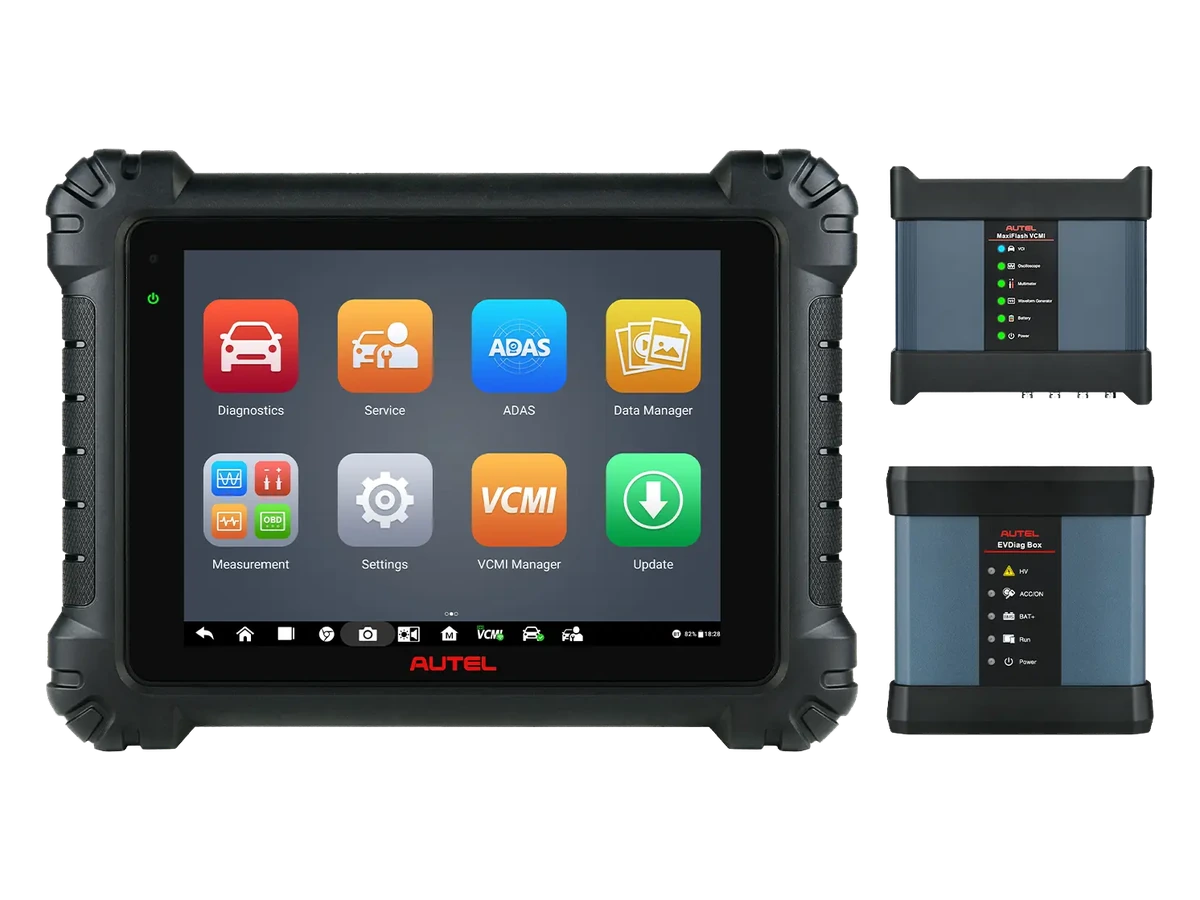
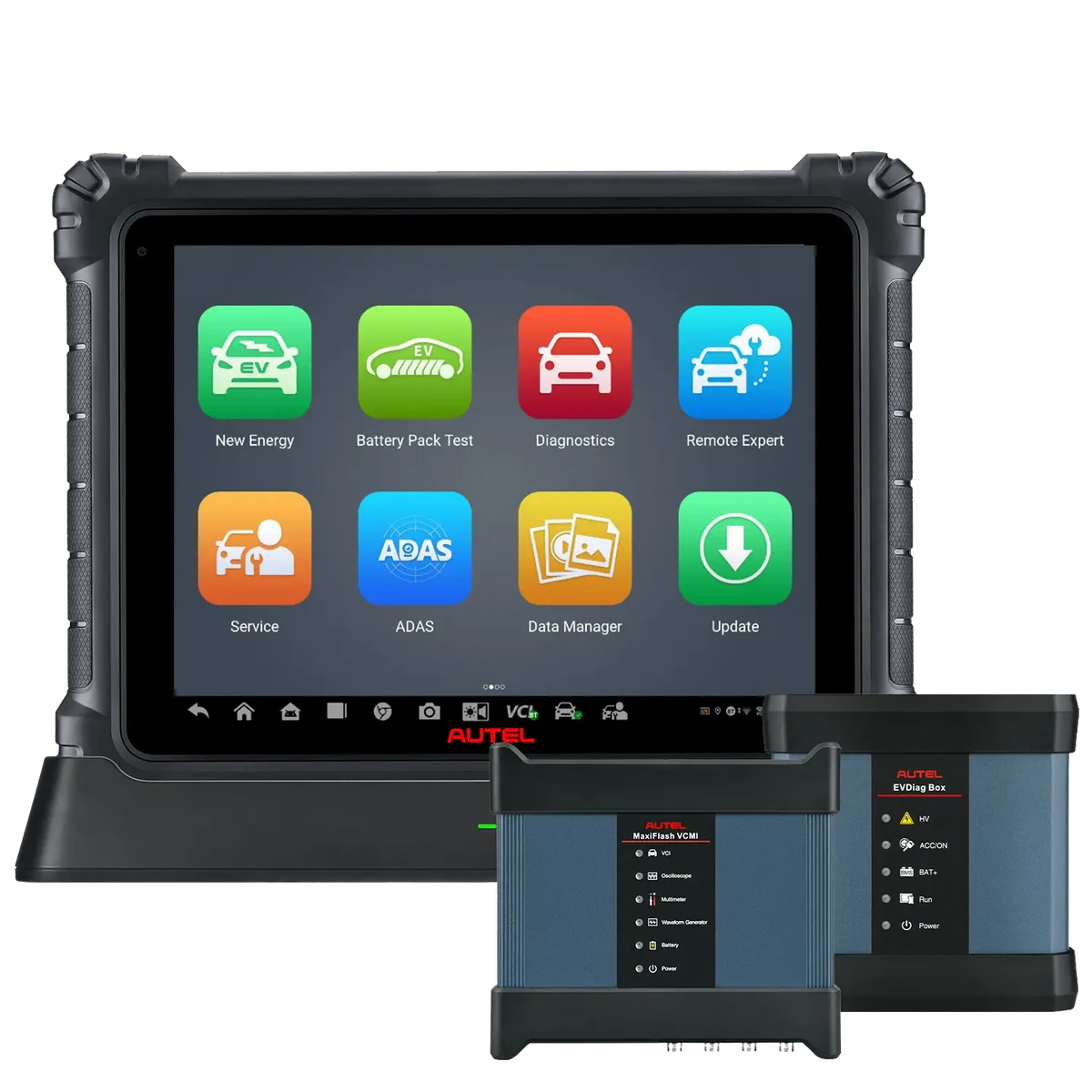
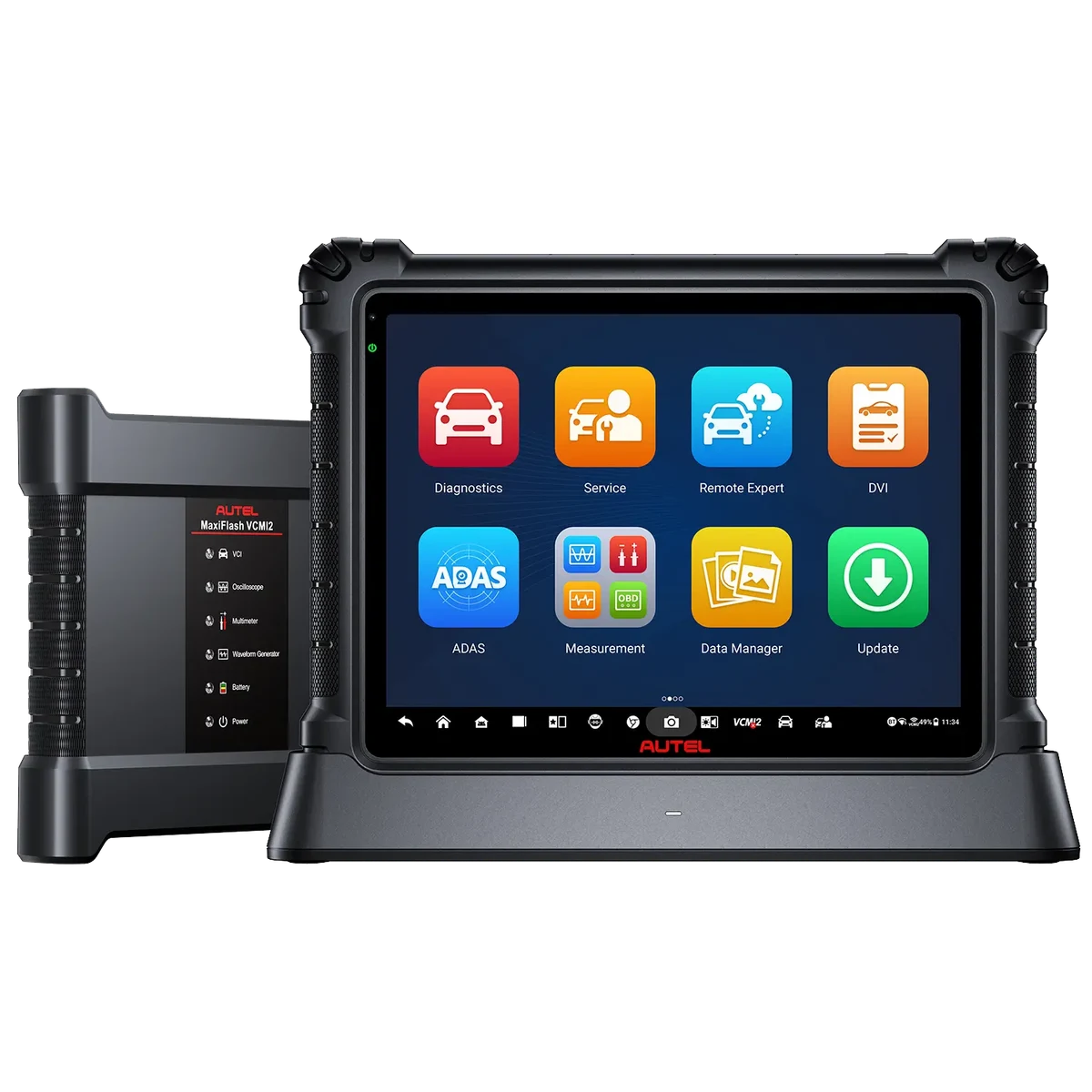
The CE EVD model, Autel MaxiSys Ultra EV, Autel MaxiSys Ultra S2 EV, Autel MS919EV, and Autel MS909 EV are not direct alternatives to each other.
A full EV diagnostic tablet and an EV adapter package added to a main unit do not represent the same product; one is an independent diagnostic device, and the other is a connection package added to a compatible main unit.
For the CE EVD, EV brand coverage, safe operation, and package contents are examined through EV vehicle coverage, battery data, and adapter package.
Full diagnostic devices such as Autel MaxiSys Ultra EV, Autel MaxiSys Ultra S2 EV, Autel MS919EV, and Autel MS909 EV, and EV kits added to existing main units do not perform the same task.
In device selection, general scanning and reporting are considered; in kit selection, main device compatibility and physical adapters are considered.
- Autel MaxiSys Ultra EV: EV diagnostics and battery control
- Autel MaxiSys Ultra S2 EV: EV diagnostics and EVDiag Box
- Autel MS919EV: EV diagnostics and VCMI measurement
- Autel MS909 EV: EV systems and battery side
Product details
How is the CE EVD model used in service?
Work with the CE EVD model begins with writing the vehicle or equipment identification and the EV diagnostic request in the work order. The technician prepares the EV brand coverage conditions and records the initial scan or connection test with the CE EVD model.
Only the relevant system is activated on the CE EVD model; if there is an active command or write operation, vehicle voltage is monitored throughout the process. After the application is complete, the CE EVD model scans the same system again. Package contents, initial record, and the operation performed with the CE EVD model are shown together in the service report.
- Save the initial status for EV diagnostics
- Prepare EV brand coverage conditions
- Apply the EV diagnostics procedure according to the manufacturer's procedure
- Re-check the result after the operation with the CE EVD model
Product details
CE EVD model package, software, and update structure
The CE EVD model package may include a tablet or main unit, VCI or connection cable, power parts, adapters, and carrying equipment; the exact scope is specified by name and quantity in the box contents. EV brand coverage, safe operation, and package contents are checked against the delivered set.
Optional modules shown in the manufacturer's visual are only included in the standard package if explicitly stated in the CE EVD box contents. The included software period and warranty period are separate conditions. When renewing CE EVD software, the device serial number and the license offered for this model are used.
- CE EVD model main product
- EV brand coverage
- Cable, adapter, and power components
- Included software or application information
- Separate display of warranty and update periods
Product details
What is the CE EVD model used for?
The CE EVD model displays data related to the battery and high-voltage system through general scanning in electric vehicles in separate work areas. Its main uses and hardware features include: EV diagnostics, battery checks, and high-voltage systems.
The CE EVD model provides diagnostic data; physical work on high-voltage enclosures requires separate training, protective equipment, and adherence to manufacturer safety procedures.
- EV diagnostics
- Battery check
- High voltage system
- Product Type
- Electric vehicle diagnostic tools
- Usage level
- Professional
- Basic functions
- EV diagnostics and Battery testing
Product details
What does the CE EVD model provide in daily work?
During EV diagnostics, the CE EVD model collects data from communicating control units and accessible fault records into a single service report. The technician saves the initial record obtained for EV diagnostics without clearing codes; after repairs, the CE EVD model repeats the same process to differentiate ongoing faults.
The CE EVD model performs vehicle selection, connection method, and transaction logging for battery checks within the same operation. Safe operation specifies the vehicle, connection, and software conditions for this usage. The CE EVD model collects data from communicating control units and accessible fault records for high-voltage systems into a single service report.
The technician saves the initial record obtained for high-voltage systems without clearing codes; after repairs, the CE EVD model repeats the same process to differentiate ongoing faults.
After the technician prepares the CE EVD connection, they record the initial scan, perform the selected function according to manufacturer procedures; they save the initial findings, the performed operation, and the final check in the same service report. The opening of a menu on the CE EVD screen does not solely indicate that the operation is complete or the fault is resolved.
- EV brand coverage
- Safe use
- Package contents