What is DPF regeneration and when is it done with a diagnostic tool?
DPF regeneration is the process of reducing soot accumulated in the diesel particulate filter under appropriate temperature and operating conditions. Service regeneration initiated with a diagnostic tool is not a cleaning button to be applied for every DPF warning. Trained personnel first check fault codes, differential pressure, exhaust temperatures, soot load, and engine faults that may prevent regeneration; the procedure is performed only if the vehicle manufacturer's conditions are met.
What is the first course of action for a DPF warning?
The warning light alone does not dictate the procedure; the fault, live data, and safety conditions are evaluated together.
Condition
Initial Check
What is expected from the device
Decision
Warning just occurred, vehicle operating normally
Codes and regeneration history
Engine ECU access and live data
Evaluate manufacturer procedure
Loss of power or limp mode present
Root fault and sensor values
Full fault scan and data log
Do not force regeneration without resolving the cause
Filter fullness appears high
Pressure and temperature consistency
DPF parameters and service function
Thresholds are compared with vehicle procedure
Regeneration is interrupted
Preventing faults and operating conditions
Fault conditions and live data graph
Address the preventing cause first
Filter or sensor replaced
Part and adaptation procedure
Reset/adaptation menu
Only apply according to manufacturer instructions
Decision guide
What DPF regeneration solves and what it doesn't
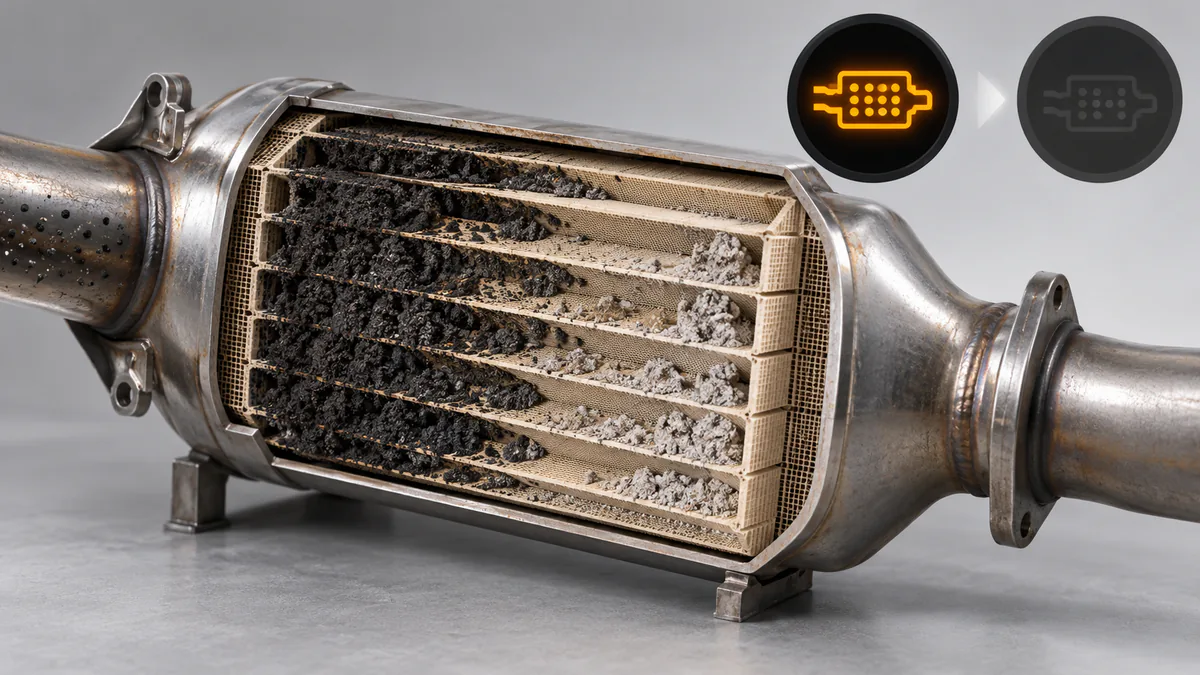
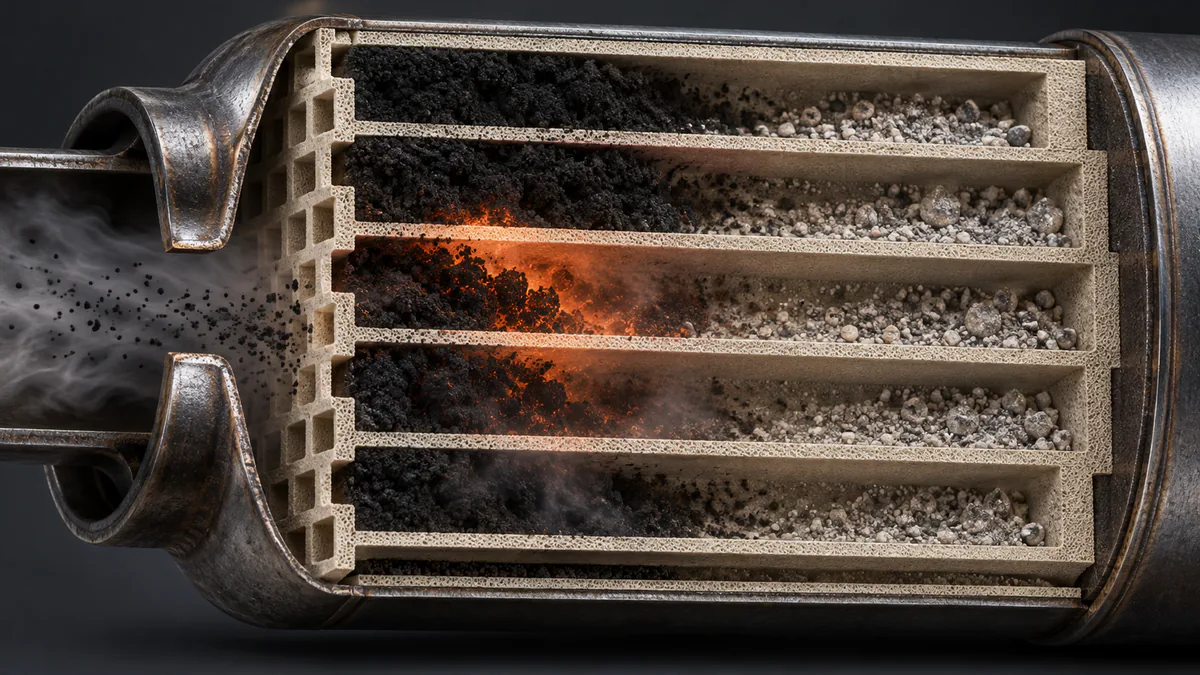
The diesel particulate filter traps soot particles from exhaust gases. The purpose of regeneration is to oxidize this soot under appropriate conditions, thereby reducing the soot load in the filter. This process does not eliminate ash accumulated in the filter, does not repair cracked ceramics, does not fix faulty sensors, and does not address the cause of new pollution produced by an oil-burning engine. This distinction explains why seeing the 'DPF regeneration' menu on the device screen is not sufficient on its own to make a procedural decision.
Soot and ash are not the same. Soot is a carbon-heavy deposit formed during combustion and can be reduced by regeneration at appropriate exhaust temperatures. Ash, however, originates from sources such as engine oil additives and non-combustible inorganic residues; it does not burn at normal regeneration temperatures. As the filter's mileage increases, ash capacity can become a separate maintenance or physical inspection issue. The calculated soot value on the device should not be considered the same as the ash or the physical condition of the filter.
Behind the complaint perceived as a DPF fault, there may be issues related to the differential pressure sensor, pressure hoses, exhaust temperature sensors, EGR system, air measurement, injector balance, turbo control, glow plug system, or the engine's operating temperature. HELLA's Audi A5 technical example shows that a glow plug fault can prevent regeneration. Therefore, before blaming the filter, investigate why regeneration cannot start or be completed.
The extinguishing of the warning after regeneration does not definitively prove that the root problem has been resolved. If the vehicle continues to be used for short distances, the engine does not reach operating temperature, or sensor data is inaccurate, the load may increase again. A healthy service approach records pre- and post-procedure values; instead of just saying 'cleaned,' it explains which finding has changed and which check has been completed.
Can reduce soot load
Does not eliminate ash
Does not repair mechanical damage
Does not replace the root cause
Visual summarySoot and ash are not the same deposit
01
SootFormed as a result of combustion; can be reduced by regeneration under appropriate conditions.
02
AshNon-combustible residue; does not disappear with regeneration.
03
DamageCracks or melting cannot be repaired by software operations.
Regeneration can reduce soot load; non-combustible ash and physical filter damage are evaluated separately.
Decision guide
Difference between passive, active, and service regeneration
Passive regeneration is the gradual oxidation of soot during driving when exhaust temperature and operating conditions are naturally sufficient. In active regeneration, the engine management changes its operating strategy to generate the necessary temperature. Service or forced regeneration, on the other hand, is a controlled procedure initiated via an appropriate diagnostic tool after verifying the manufacturer-defined prerequisites. These three concepts should not be confused under the same process name.
While the vehicle manages its active regeneration, engine speed, fuel injection strategy, cooling fan behavior, exhaust temperature, and some comfort functions may change. The driver may not always clearly perceive this process. When examining the fault history and live data, the service can utilize the distance or time elapsed since the last successful regeneration, the regeneration status, and the calculated load parameters provided by the manufacturer.
During service regeneration, the vehicle may remain stationary, or the manufacturer's procedure may require a specific driving cycle. It is incorrect to provide a single universal RPM, duration, or temperature. The instructions in the software menu, the vehicle manufacturer's service documentation, and the workshop safety regulations are considered together. Performing a process that raises exhaust temperature in an enclosed and inadequately ventilated area poses a serious risk.
Suggesting only long-distance driving is also not always sufficient. If there is an engine fault light, limp mode, excessive load, incorrect sensor value, or a recorded fault preventing regeneration, it may not be possible for the vehicle to complete the process with normal driving. Instead of unconditionally telling the user to 'drive at high RPM,' the level of the warning and fault records are examined first; this approach is safer and technically correct.
Decision guide
Fault codes and live data to be read before the procedure
DPF assessment is not made solely by looking at a single fullness percentage. Current, pending, and historical fault codes in the engine control unit; differential pressure, exhaust temperature sensors, calculated soot load, ash value if available, last regeneration information, and engine operating conditions are read together. Since the parameter name and unit can vary by manufacturer, nominal values are compared with technical documentation.
The differential pressure sensor helps measure the pressure difference between the inlet and outlet of the filter. The value is interpreted by comparing measurements at engine off, idle, and elevated RPM conditions. Using a single instantaneous number as a universal threshold is misleading; sensor offset, hose blockage, or leaks can also alter the result. An illogical starting value with the ignition on and engine off suggests checking the sensor circuit before directly concluding filter fullness.
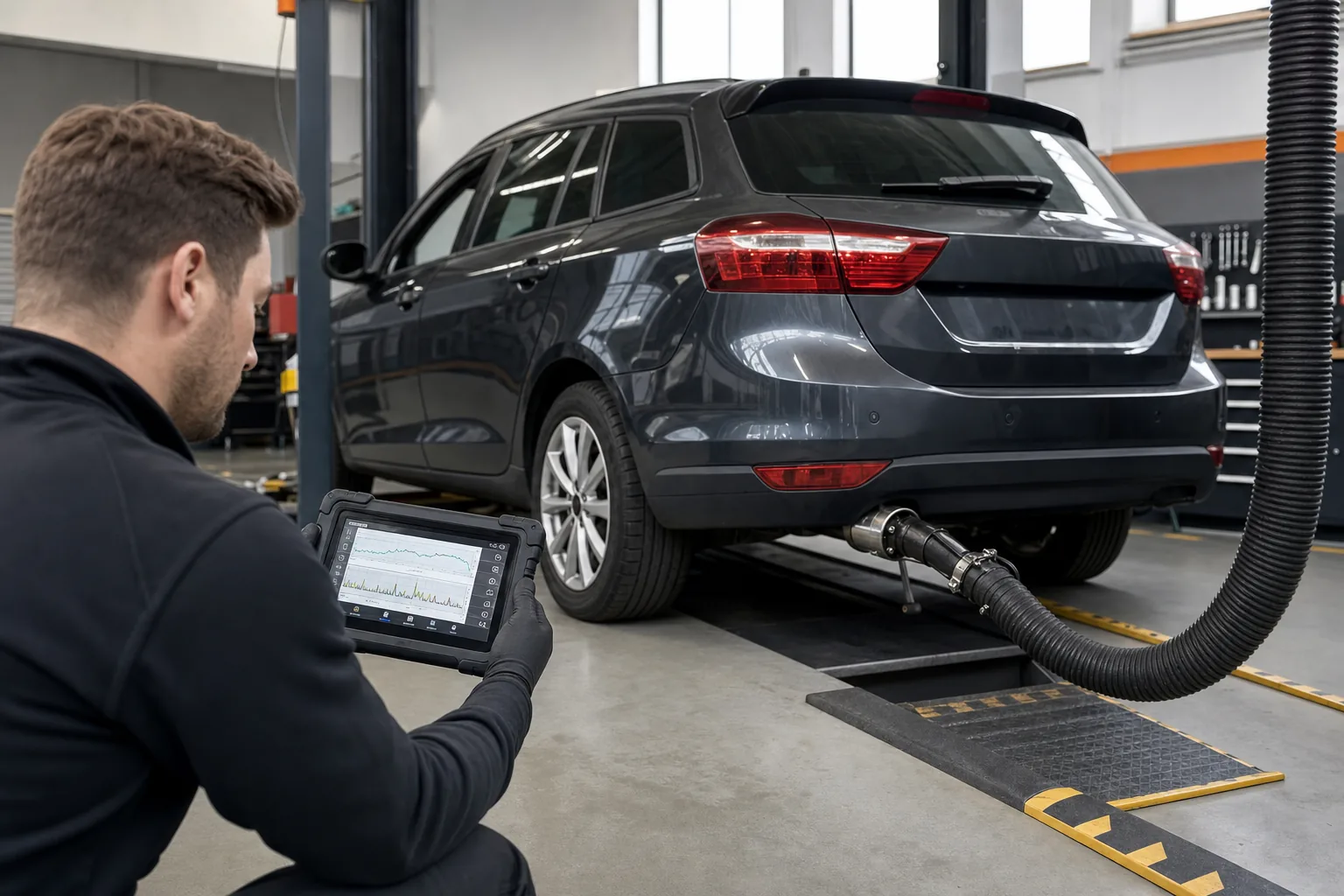
Exhaust temperature sensors are important for understanding whether regeneration is proceeding safely and effectively. If a sensor shows a frozen value, behaves inconsistently with others, or if a related fault code is recorded, the control unit may not allow regeneration. The device's graphing and logging capabilities facilitate comparing temperatures over the entire process, not just in a single frame.
Additional conditions such as coolant temperature, battery or system voltage, fuel level, engine speed, and vehicle speed may also be prerequisites depending on the software. Low voltage can interrupt communication; insufficient fuel or inappropriate temperature can prevent the procedure. Therefore, when choosing a professional device, focus not only on the presence of a DPF menu but also on its ability to display and log relevant engine parameters in the same session.
Current and pending fault codes
Differential pressure
Exhaust temperatures
Soot and regeneration history
Engine temperature and system voltage
Visual summaryData read together for DPF decision
Technical signals
01
Fault codesCurrent, pending, and historical records
02
Pressure differenceIdle and controlled RPM behavior
03
TemperaturesProgression of exhaust sensors during the process
04
Soot historyLoad calculation and last regeneration information
Diagnosis is based on sensor consistency and vehicle operating conditions, rather than a single fullness percentage.
Decision guide
Conditions that prevent regeneration from starting
The control unit does not allow regeneration in certain faults to protect the engine or exhaust system. This behavior may not mean the device is faulty. Service function may be denied if there is an active engine management fault, temperature sensor inconsistency, pressure sensor issue, glow plug system fault, inappropriate temperature, low fuel level, or if another manufacturer-defined prerequisite is not met.
Instead of repeatedly confirming the 'conditions not met' message on the service screen, the missing condition should be sought. A good device indicates the prerequisites or the reason for denial when possible; however, if the device description is insufficient, refer to the manufacturer's documentation. Randomly clearing faults does not eliminate persistent issues and can result in the loss of freeze-frame or event context, which is important for diagnosis.
If the filter load is calculated to be above a certain safety limit, the control unit may prevent static regeneration. In such a case, forcing the procedure with different software or a different device is not the correct approach. Follow physical filter inspection, verification of sensor measurements, and the manufacturer's repair path. Initiating a process that could pose a risk of overheating, filter damage, or fire simply because menu access is available is unacceptable.
The oil level should also not be overlooked. Failed or frequent regeneration attempts can be associated with fuel mixing into the engine oil in some engines. If the level is abnormal, focusing solely on the DPF procedure is insufficient for engine health. Follow the manufacturer's oil check and maintenance instructions; add pre-procedure findings to the service record.
Decision guide
Safe operating procedure during service regeneration
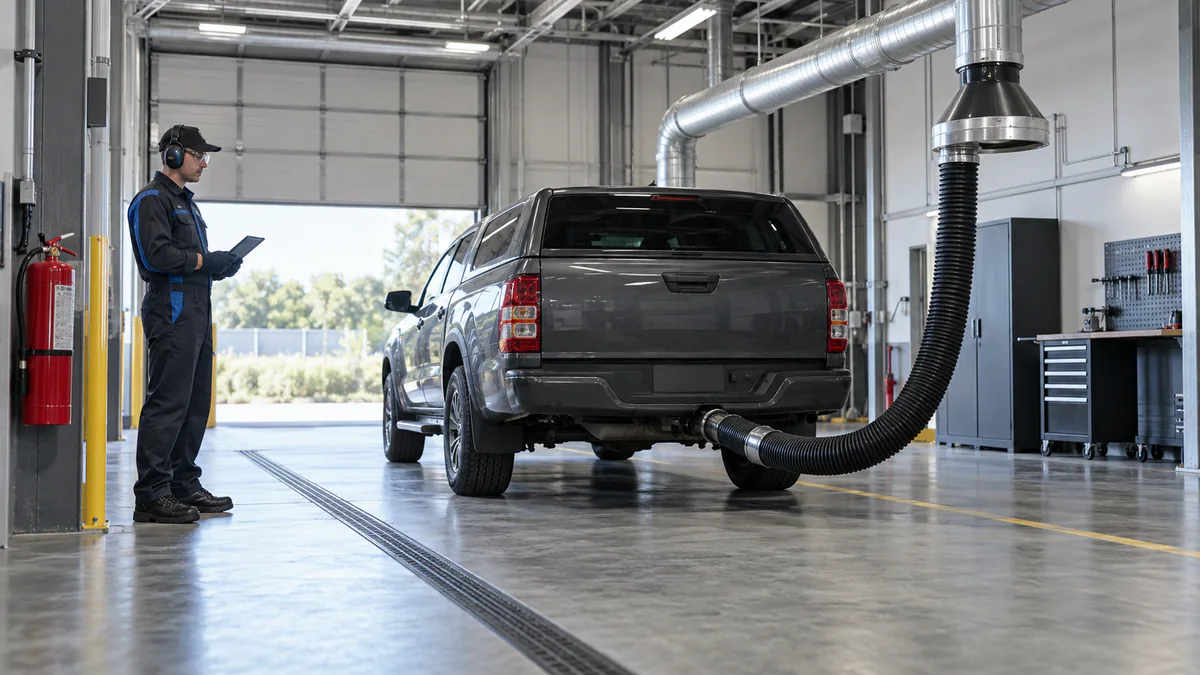
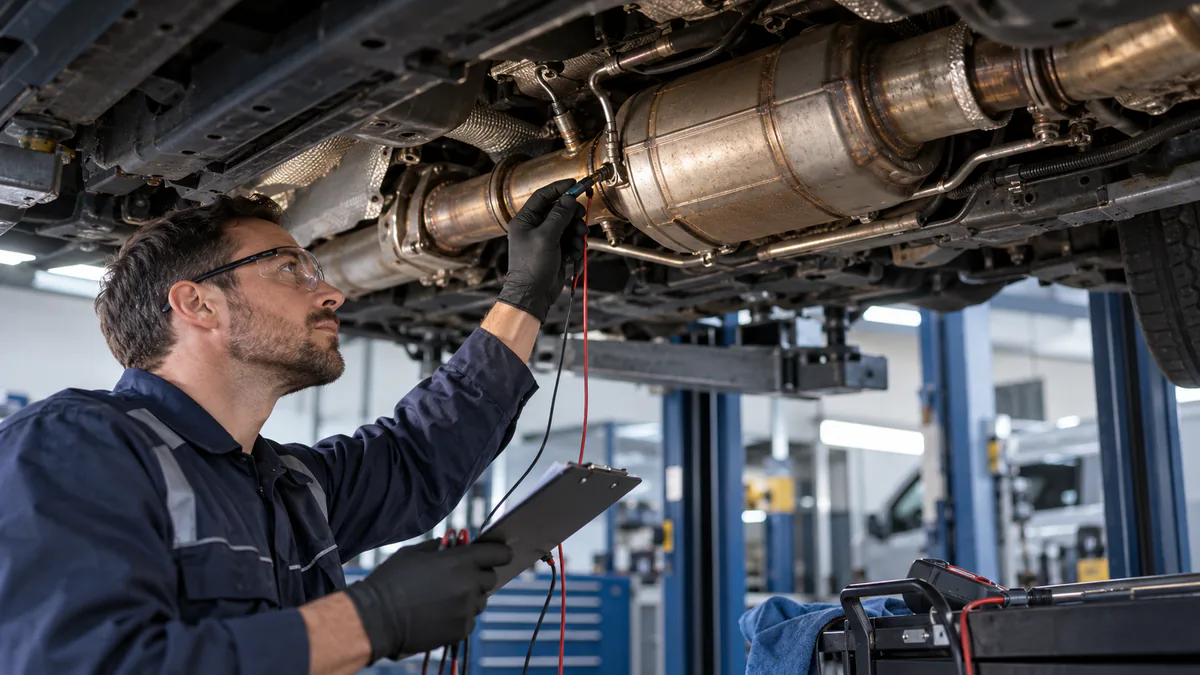
Service regeneration is a process that can generate high exhaust temperatures. The vehicle is placed in a safe area with adequate ventilation, away from flammable materials; consider the exhaust outlet, ground, nearby parts, and cooling system. The procedure is not performed in an enclosed space, customer reception area, or unattended, contrary to the vehicle manufacturer's instructions.
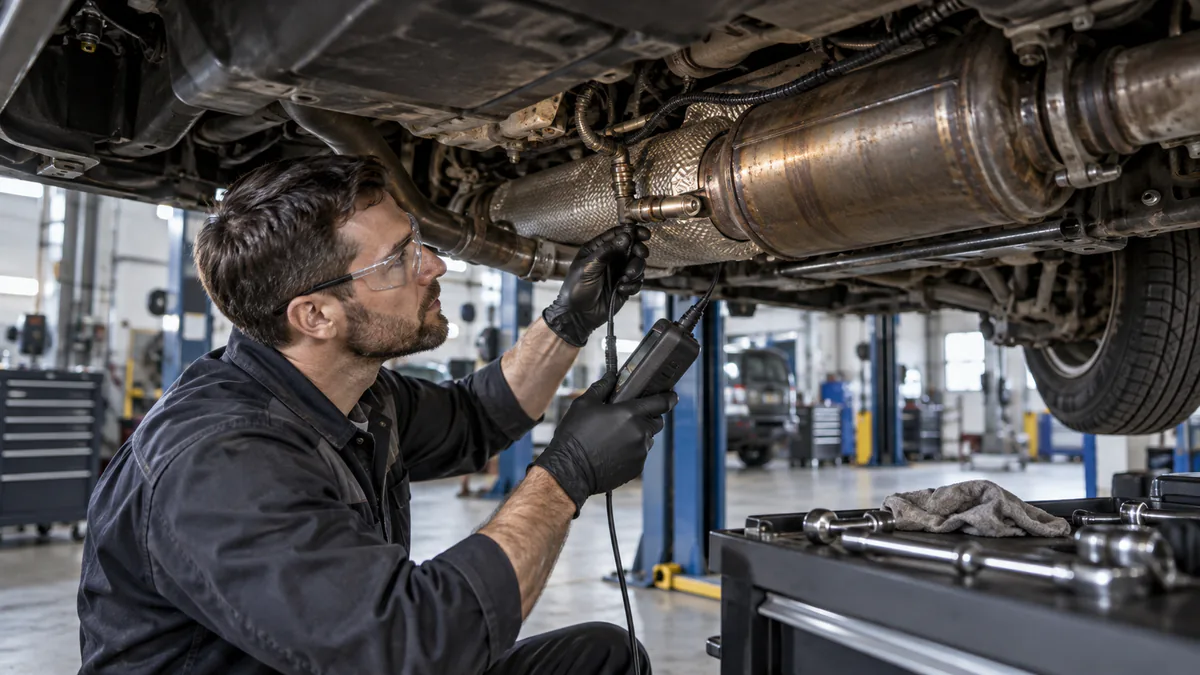
Before the procedure, visually inspect engine oil and coolant levels, visible leaks, tire circumference, and the exhaust line. If the vehicle will remain stationary, ensure parking safety; if the procedure requires driving, plan for work safety, such as a second person monitoring data. There should be no dry grass, paper, plastic, or chemicals around the exhaust.
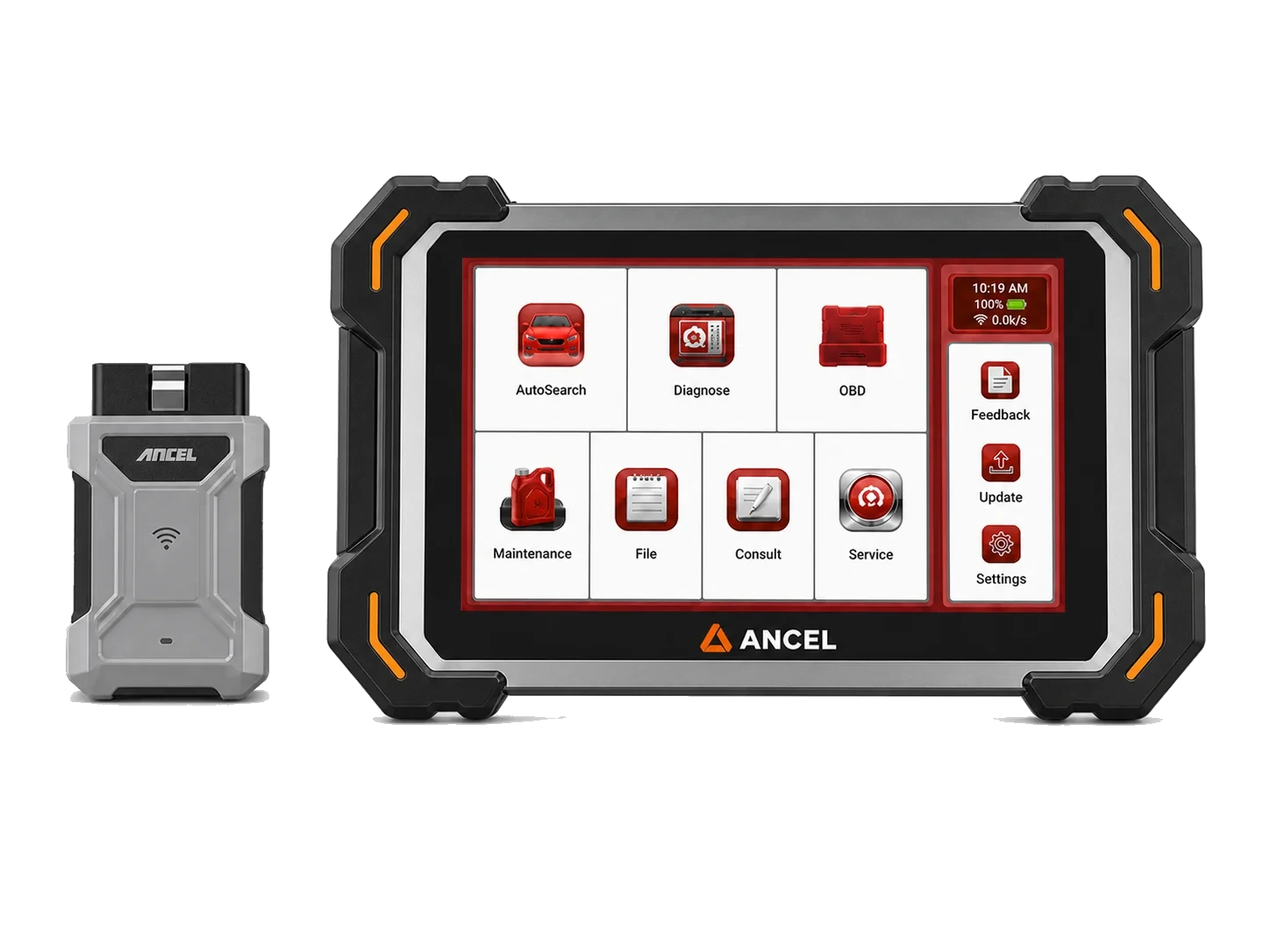
Check the device connection, VCI range, and tablet charge before starting the procedure. Using Bluetooth can reduce the risk of cable snagging, but the device and VCI must have sufficient energy to prevent wireless connection drops. It is not advisable to perform a software update in the middle of regeneration or to close the diagnostic session for another task.
Abnormal noises, odors, smoke, leaks, excessive heat, or a stop warning from the software during the procedure should not be ignored. Regeneration taking longer than expected is not a reason to continue with 'let's go a bit longer.' After the procedure is terminated, consider that exhaust components may remain hot, and the vehicle should not be moved to another work area until the safe cooling period is complete.
Open and ventilated work area
Away from flammable materials
Uninterrupted device and power connection
Continuous observation
Adherence to manufacturer procedure
Visual summaryService regeneration safety area
01
VentilationExhaust gas is safely removed.
02
EnvironmentNo flammable materials or sensitive surfaces.
03
ConnectionTablet, VCI, and vehicle voltage are kept stable.
04
MonitoringThe process is monitored from start to finish.
Due to high exhaust temperature, the procedure is performed only in a suitable service setup and according to the manufacturer's procedure.
Decision guide
How is success verified after the procedure?
While seeing the 'completed' message on the device screen is important, it is not the sole verification. Calculated soot load before and after the procedure, differential pressure behavior, exhaust temperature progression, fault codes, and regeneration status are recorded. If necessary, the test drive specified by the manufacturer is performed, and the vehicle is scanned again.
A decrease in differential pressure can be expected, but the value and test conditions to be used vary from vehicle to vehicle. The value at idle and the value at a specific RPM do not carry the same meaning. Relying solely on the change in software value without addressing issues in the sensor hose can create false confidence. The engine temperature and operating conditions are stated in the service record to ensure measurement repeatability.
If an active fault code persists after a successful procedure, the system is re-evaluated. Instead of clearing the code and delivering the vehicle, check if the fault returns, the status of the monitors, and whether the customer's initial complaint has been resolved. Engine performance, fan behavior, and dashboard warnings are observed during a short test.
The explanation provided to the customer should be simple: DPF soot load was observed, faults preventing or accompanying regeneration were checked, the procedure was completed, and final values were recorded. If the filter requires physical cleaning or further inspection, this should be stated separately. A technically ambiguous and absolute statement like 'DPF completely reset' should not be used.
Decision guide
How to choose a diagnostic tool for DPF work?
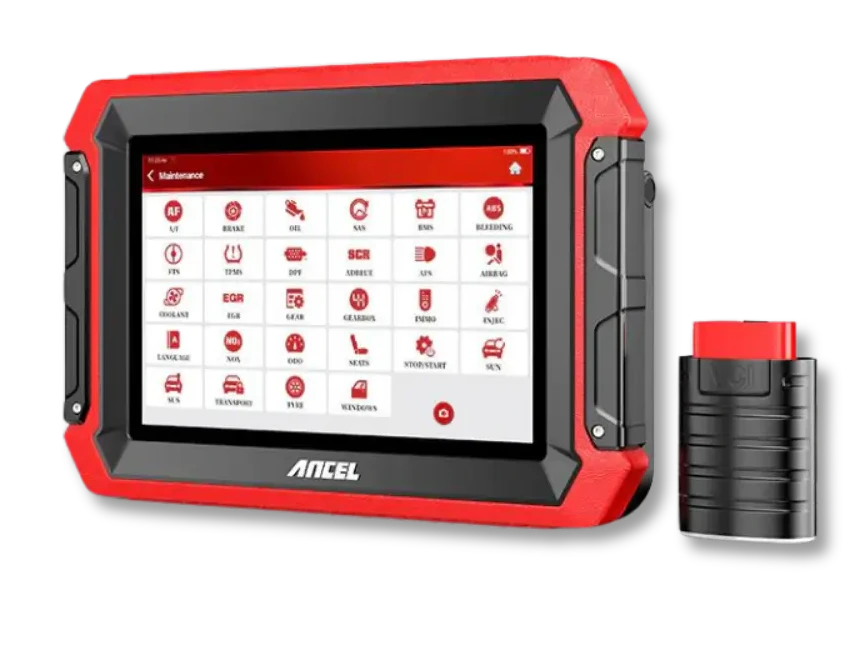
For a service performing DPF work, it is not enough for the device to simply have 'DPF' listed in the menu. Access to the engine control unit, fault code details, relevant live data, graphing or logging, service regeneration, adaptation after part replacement, and up-to-date vehicle coverage must be compared individually. The selection is made considering that the function varies by vehicle make, model, year, and engine code.
A basic OBD reader may display basic engine codes related to emissions and some standard parameters; however, it may not offer manufacturer-specific DPF values or service procedures. A multi-brand service tablet may provide broader system access. In the professional device class, active tests, logging, reporting, and more detailed special functions are added to the decision criteria.
The service's vehicle portfolio should be central to the selection. An operation primarily focused on passenger cars and light commercial diesel vehicles does not require the same protocols, sockets, and software packages as a heavy-duty vehicle service. On the heavy-duty side, 12/24 volt operation, J1939 communication, brand-specific cables, and after-treatment system coverage must be verified separately.
Update and license models are also part of the total cost. The future software support for a model accessible today depends on the manufacturer's update policy. Before purchasing, the device's serial number, regional package, update duration, VCI and cable contents, and DPF functions for vehicles serviced should be checked together.
Manufacturer-specific DPF live data
Graphing and logging
Service regeneration
Adaptation/reset coverage
Up-to-date model-year support
Visual summaryDerive device selection from menu name
01
Vehicle portfolioMake, model, year, and engine
02
Live dataPressure, temperature, and load
03
Service functionPrerequisite and regeneration access
04
LoggingPre- and post-procedure report
The presence of a DPF menu is not sufficient on its own; actual vehicle and engine coverage must be proven.
Decision guide
Proper customer acceptance and reporting in service
Customer acceptance in DPF complaints is the first part of accurate diagnosis. Inquire about when the warning appeared, whether the vehicle is used for short or long distances, recent maintenance, fuel and oil information, power loss, fan behavior, and previous regenerations. This information does not replace device measurements; it provides context for the measurements.
The work order should clearly state the vehicle make, model, year, engine code or displacement, mileage, and dashboard message. Separate the customer statement 'DPF full' from the technical result. The initial scan report is saved; fault codes are not collectively cleared before the procedure. This preserves which systems and under what conditions the faults occurred.
The procedure report includes the procedure used, starting and ending status, important live data, accompanying faults found, and the test drive performed. No definitive promises are made to the customer regarding filter lifespan or that the fault will not recur. If usage conditions, maintenance needs, or unresolved findings exist, they are clearly stated.
When sharing a real DPF case, the vehicle, engine, fault code, pressure and temperature values, procedure conditions, and results should be clearly stated. Customer and vehicle owner information must not be published without permission. An anonymous case study should also not be presented as an example without verifying the measurement date, device used, procedure applied, and post-procedure control records.
Decision guide
Misconceptions and final check before purchase
The notion that 'any device with a DPF menu performs regeneration on any vehicle' is incorrect. The presence of a menu indicates the software family; actual coverage depends on the vehicle, engine, control unit, region, and software version. Statements like 'clearing the code cleans the filter' or 'high RPM solves every DPF problem' overlook the cause of the fault and safety limits.
When purchasing a device, instead of just asking the seller 'Does it do DPF?', provide examples of makes, models, years, and engines frequently seen in the service. When the expected procedure is also specified, the manufacturer's function list is examined for the correct vehicle. Inquire whether differential pressure, temperatures, and regeneration history can be read in addition to service regeneration.
The fact that a device offers numerous service functions does not mean each function has the same coverage on every vehicle. The official vehicle coverage, current software version, and actual service menu must align. If the price and package information on the Otobiltek product page conflicts with the manufacturer's coverage source, the current record prevails before purchase.
The right device supports the technician's measurement and interpretation skills; it does not make decisions for them. This is the fundamental outcome of the DPF guide: first, understand the root cause and operating conditions, then select the appropriate procedure, and finally, verify the process with data. Following this sequence reduces both unnecessary part replacements and risky regeneration attempts.
Frequently Asked Questions
Most frequently asked questions by customers
Is DPF regeneration performed on every vehicle with a diagnostic tool?
No. The function varies by vehicle make, model, year, engine, control unit, and device software. Additionally, manufacturer prerequisites such as engine temperature, fault status, fuel level, and filter load must be met.
Service regeneration depends on prerequisites such as engine temperature, active faults, fuel level, and filter load, in addition to vehicle support.Does clearing the DPF fault code clean the filter?
No. Clearing the code does not physically reduce soot or ash. First, the cause of the fault and DPF live data are evaluated; if appropriate, regeneration is applied according to the manufacturer's procedure.
Clearing the electronic fault record does not reduce the physical soot or ash inside the filter; first, the root cause and live data are examined.Can service regeneration be performed in an enclosed area?
Due to high exhaust temperature and exhaust gas, proper ventilation, fire safety, and manufacturer instructions are required. The procedure must be carried out in a controlled service area away from flammable materials by trained personnel.
Due to high exhaust temperature and gas, the procedure requires adequate ventilation, fire precautions, and a safely separated service area.Does regeneration also clean ash?
Normal regeneration aims to reduce soot load; it does not eliminate non-combustible ash. Ash load and the physical condition of the filter are evaluated separately.
Regeneration aims to reduce combustible soot load; mineral ash remains in the filter and its physical condition is evaluated separately.What class of device is required for DPF work?
An up-to-date service tablet capable of reading manufacturer-specific engine data, differential pressure, and temperatures is required. Service regeneration and, if necessary, adaptation functions must be supported for the makes and models serviced.
DPF work is not just a menu name; coverage capable of verifying manufacturer-specific pressure, temperature, filter load, and service procedures is required.