Decision guide
What does service function mean?
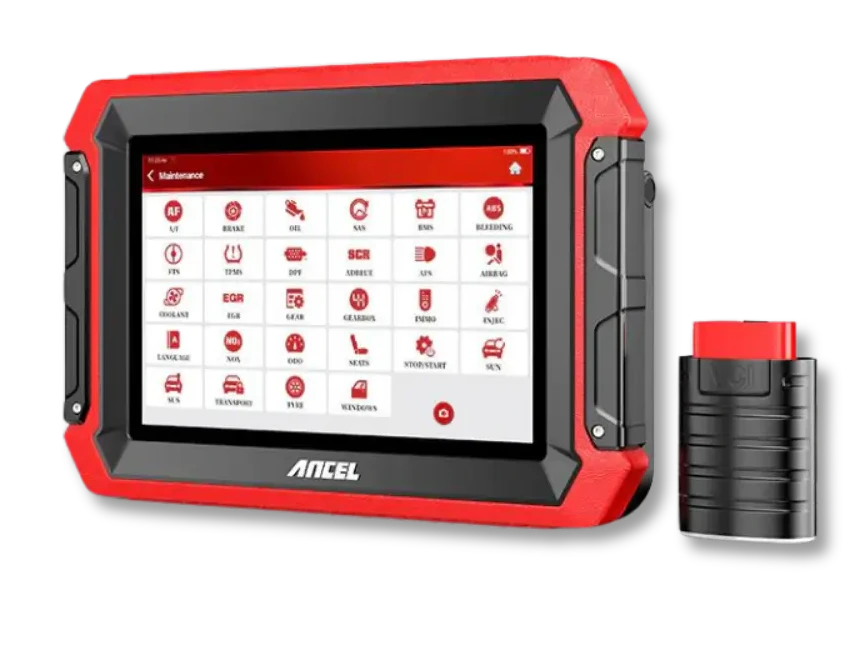
Service function can refer to maintenance and system operations such as oil maintenance reset, electronic parking brake operation, battery registration, steering angle sensor calibration, DPF, etc. The list varies depending on the device model and vehicle scope.
A basic fault code reader often focuses on viewing the fault. Service functions, on the other hand, help initiate or complete maintenance and system operations via the device. This difference is a determining factor in choosing the device class for auto services.
Examples of service functions may include oil maintenance reset, electronic parking brake service mode, post-battery replacement registration, steering angle sensor calibration, injector coding, or DPF-related menus. Not all of these operations are available on every vehicle and every device in the same way.
The model name alone does not indicate the scope of service functions. The operation to be performed must match the device's current function list with the vehicle's make, model, year, and engine information. Without this information, the price and device level are evaluated incompletely.
- Maintenance reset
- EPB operation
- Battery registration
- Calibration
Decision guide
What is active test used for?
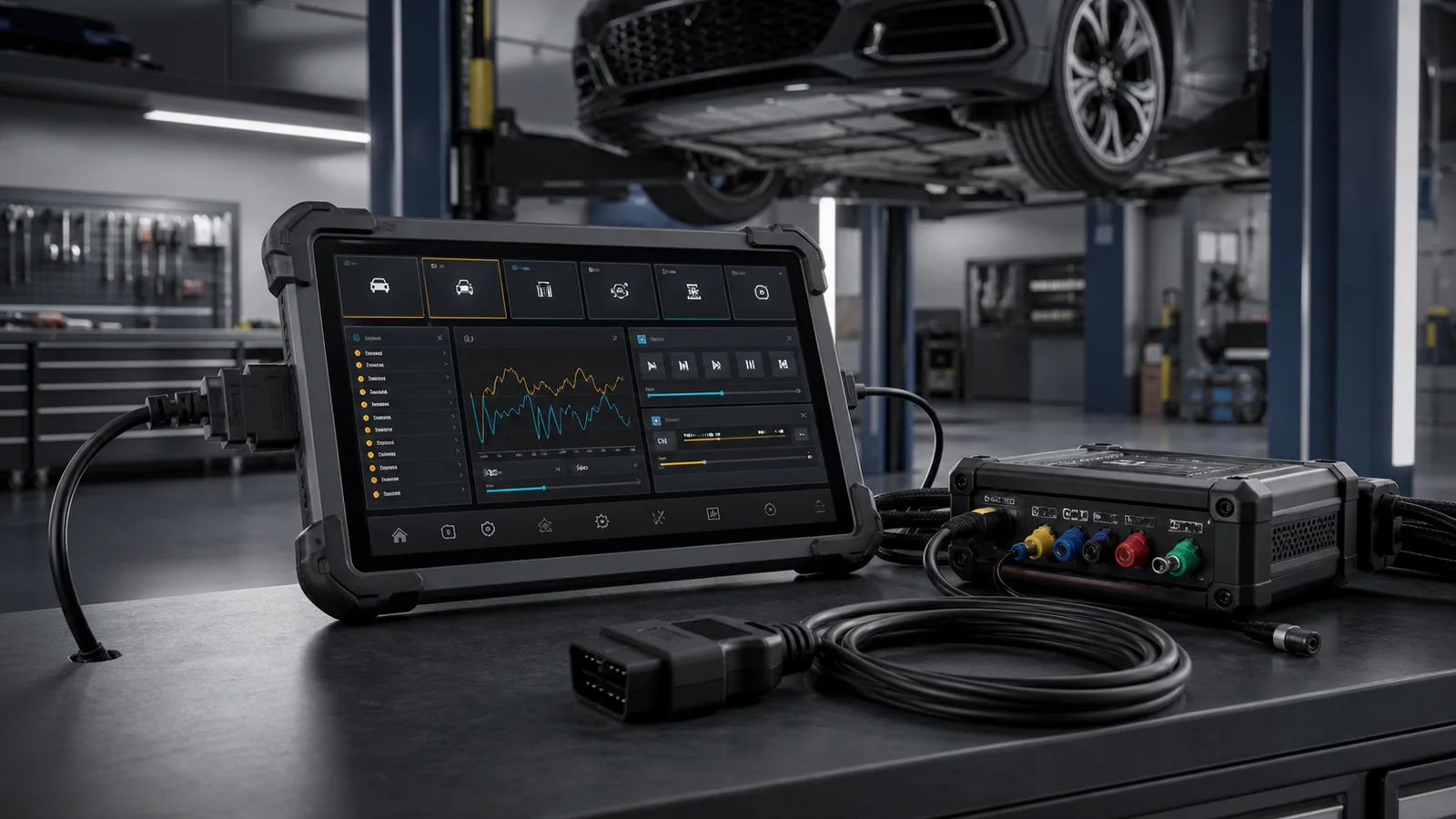
Active test allows testing the operation of a supported component or system via a command from the device. Parts such as fans, pumps, valves, or relays can be seen in the test menu if supported by the vehicle and control unit.
Active test is a different level of operation than reading fault codes. While code reading shows the error recorded by the system, active test helps to see if the component operates via command when supported. Therefore, services expecting active tests look for service or professional-class tablets instead of entry-level devices.
The active test menu depends on the control unit in the vehicle. Different model years or engine options within the same make may have different module structures. Therefore, the statement "active test is available" does not alone mean that the same list will open on all vehicles.
This operation should be performed with caution. The tested component may move, make noise, or cause a system response. If the vehicle is not in a safe position, the battery is weak, or mechanical work is ongoing, the active test step should be postponed.
- Component control
- Control unit support
- Vehicle Coverage
Decision guide
Live data and active tests are not the same thing
Live data is used to monitor the system's current values, while active tests aim to observe the system's response by sending commands from the device when supported. These two features are checked separately when selecting a device.
The live data screen can display sensor values, pressure, temperature, RPM, voltage, or status information. This area helps understand under what conditions the fault occurs. However, monitoring live data does not mean the system is being tested by command.
In active tests, the device sends commands to the supported control unit. This distinction is important in terms of price and device class. A user expecting only live data and a user looking for an active test menu do not necessarily have to buy the same device.
The healthiest approach in auto services is to first view the system behavior with code reading and live data, and then use the supported active test menus if necessary. This sequence keeps the service record organized and reduces the risk of unnecessary part replacement.
Decision guide
The same operation should not be expected on every vehicle
The scope of service functions and active tests can vary depending on the make, model, year, engine, control unit, and software level. Therefore, product selection should be made with vehicle information and the operations to be performed.
Customers often ask, "Will this device reset maintenance on my vehicle?" or "Does it perform active tests?" The answer depends on the functions listed in the manufacturer's scope record for the make, model, year, engine, and control unit. The same model name may use different control units in different years; the hardware level can also affect the menus.
Therefore, when selecting a device, the vehicle make, model, year, engine, fuel type, and the service operation to be performed should be shared. For auto services, not just a single vehicle but also frequently encountered vehicle groups are important. Knowing which vehicles the device will be used on regularly helps to correctly distinguish between basic readers, service tablets, and professional diagnostic devices.
The scope information on product pages should be presented in a clear language. It should be explained without causing unnecessary hesitation to the user, but also without promising the same result on every vehicle. Otobiltek guides, therefore, show the operation level, vehicle scope, and related products together.
Decision guide
What device class is required for auto service?
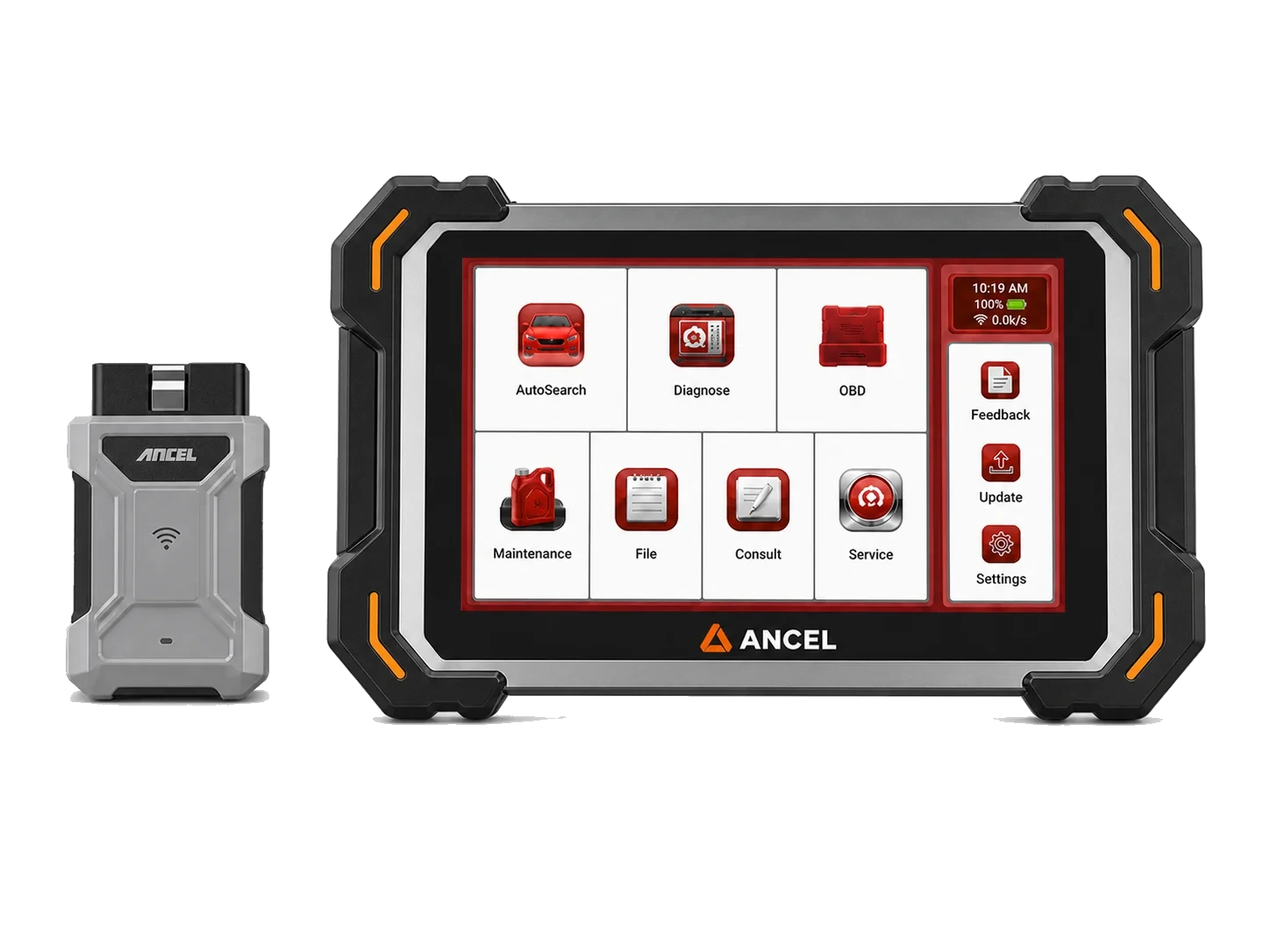
For daily maintenance and basic live data, a service-class device may be sufficient; if the need for active tests is high in a busy workshop, more professional diagnostic tablets should be considered. This distinction also directly affects the pricing decision.
Entry-level devices can be useful for basic code reading needs. However, if the auto service regularly expects multi-system scanning, live data, service functions, and active tests, the device's processing power, software scope, and connection stability become more important.
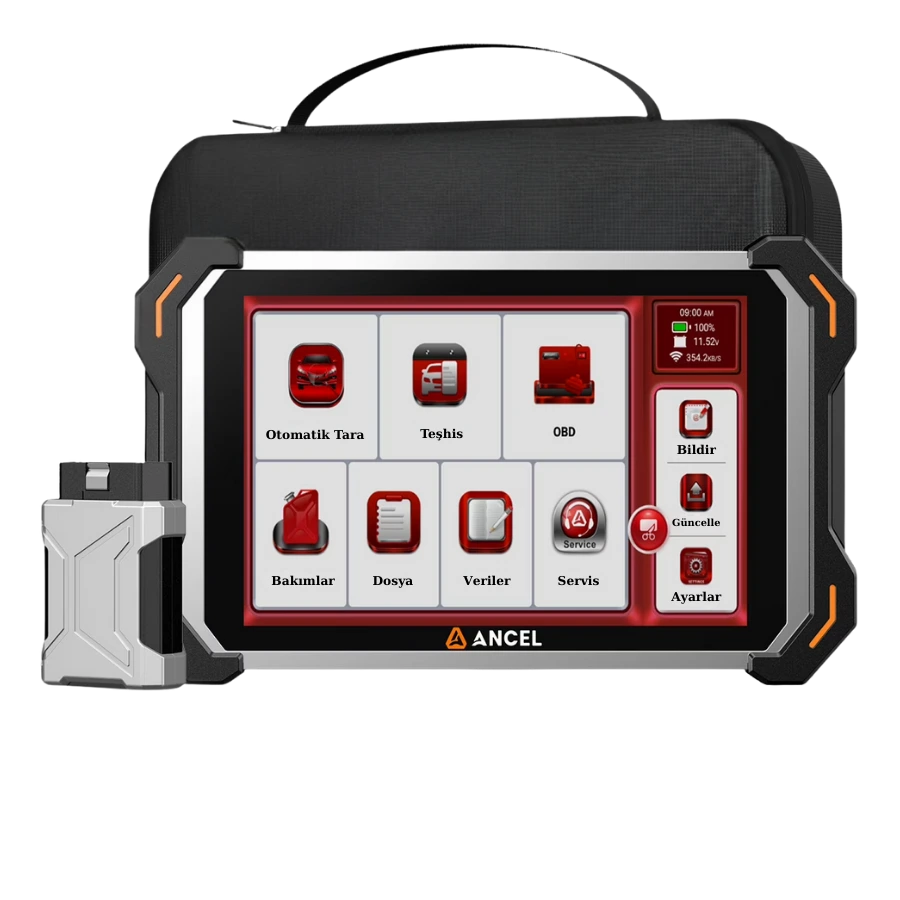
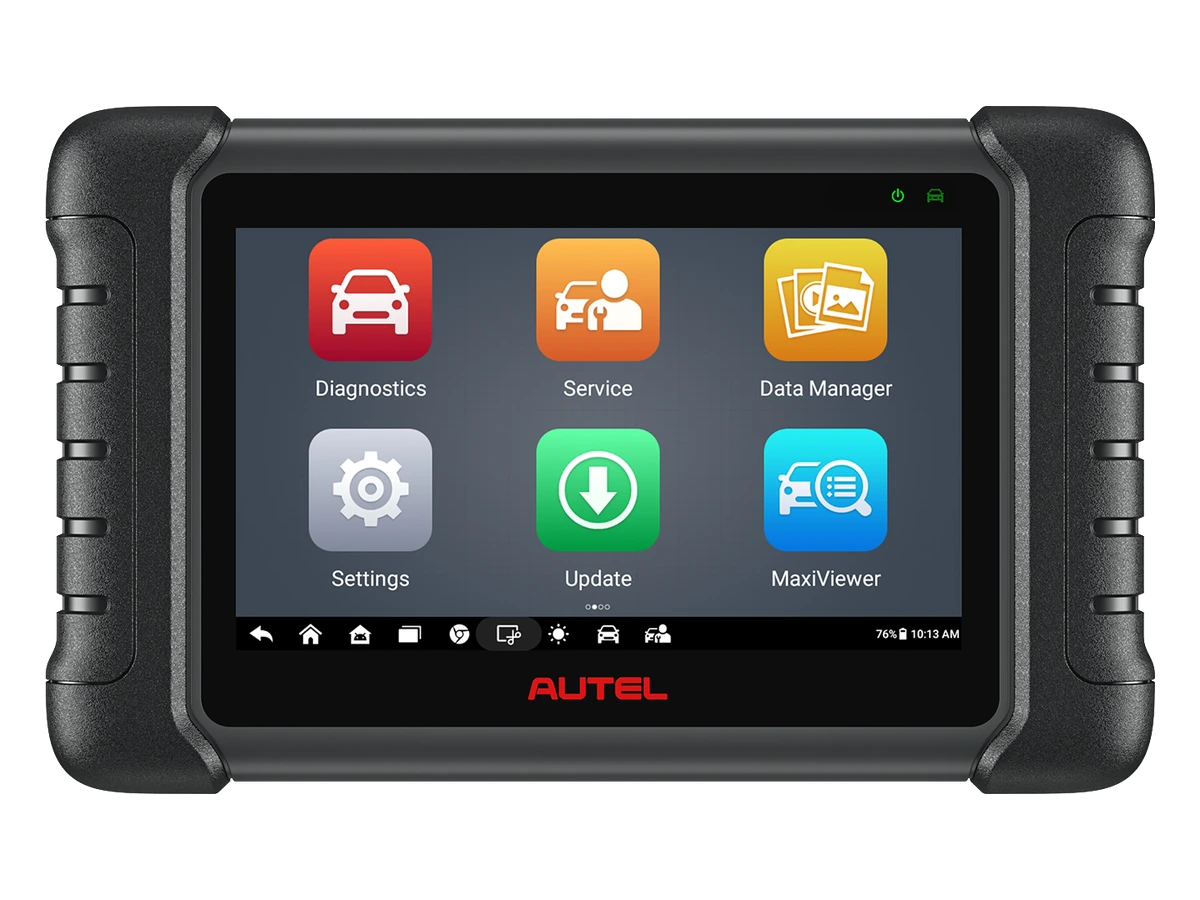
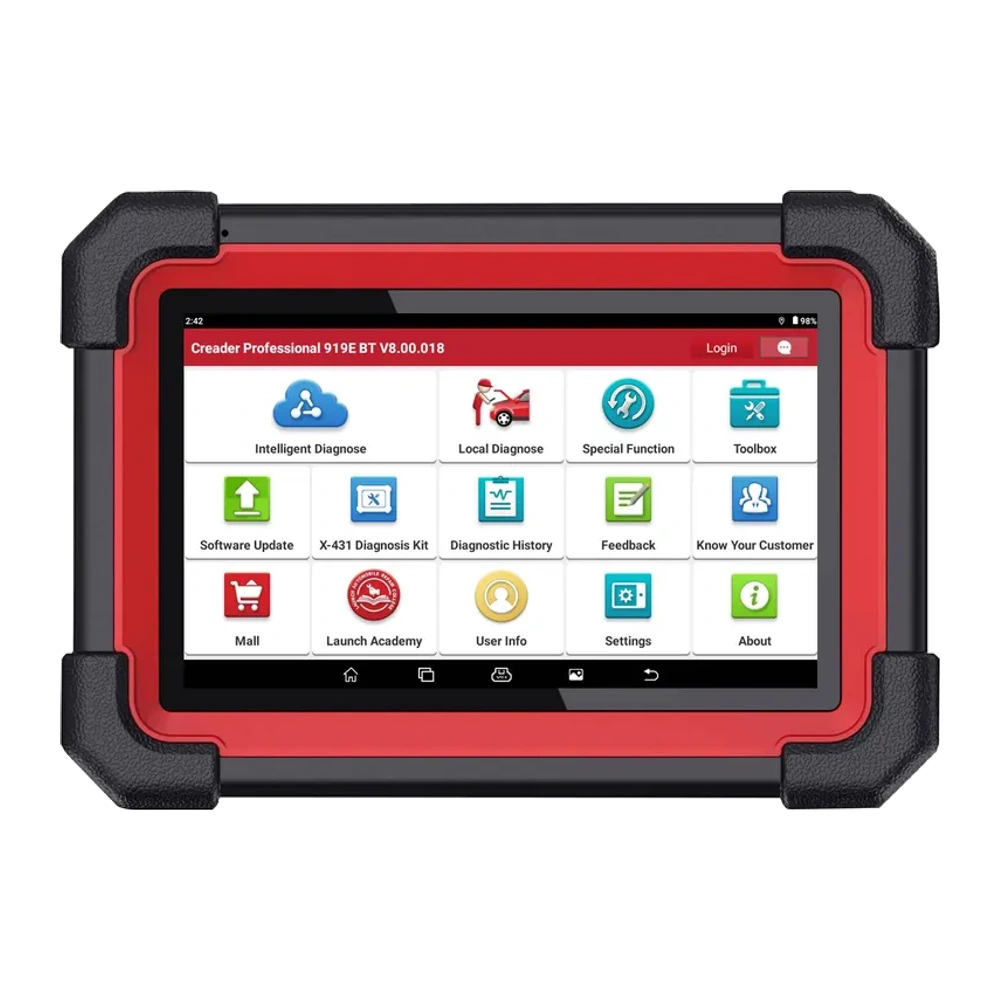
Models with Bluetooth VCI connection, such as DS500BT, can be considered for daily service and wireless mobility needs. Models like DS600 and DS600BT are compared for more intensive service, active test expectations, and professional workshop use. Autel and Launch options are examined along with their brand ecosystems and package contents.
The correct device class, chosen according to the service's actual workflow, makes the price more understandable. Purchasing only the cheapest option may result in a device that does not open the expected menus. Moving to only the highest class means using a budget beyond the need.
Decision guide
What information is required for service consultation?
A user looking for service functions or active tests should specify the vehicle make, model, year, engine, and the operation to be performed together. The question "Is active test available?" alone is not sufficient because it does not explain which module, valve, pump, or actuator will be commanded.
For example, if a service is looking for a device for a brake system, electronic parking brake, battery registration, or DPF operation, this operation name should be clearly stated. The same device may open different menus on different vehicles. Providing the operation name and vehicle information helps the sales support recommend the correct product family.
This information allows for the comparison of the total cost of different models based on the same service need. If the user only asks for the product name, they may miss options with different connection types or different software scopes within the same budget. A conversation starting with vehicle and operation information reduces the risk of unnecessary device changes or incomplete device purchases.
Clear language should be used regarding active tests and service functions. When describing the general class offered by the device, it should be stated that model-year and control unit information is required for vehicle-specific scope. This way, the user better understands what they are buying and what information affects the outcome.
Decision guide
Why are secure transaction conditions important?
Service functions and active tests require a more careful environment than code reading. The vehicle should be in a safe position, battery voltage should remain stable, the device connection should not be interrupted, and the on-screen instructions should be followed during the operation.
During some operations, components in the vehicle may move, or the system may require a specific condition. Therefore, safety should be ensured around the lift, hood, wheels, fans, and moving parts. The diagnostic device supports the service process when used correctly; it can become difficult to track when used hastily.
The technician's discipline is as important as the device class. In regular services, having the personnel using the device know the basic workflow, enter vehicle information correctly, and perform a re-scan after the operation increases the efficiency obtained from the device.