How to choose a diagnostic tool for automotive inspection?
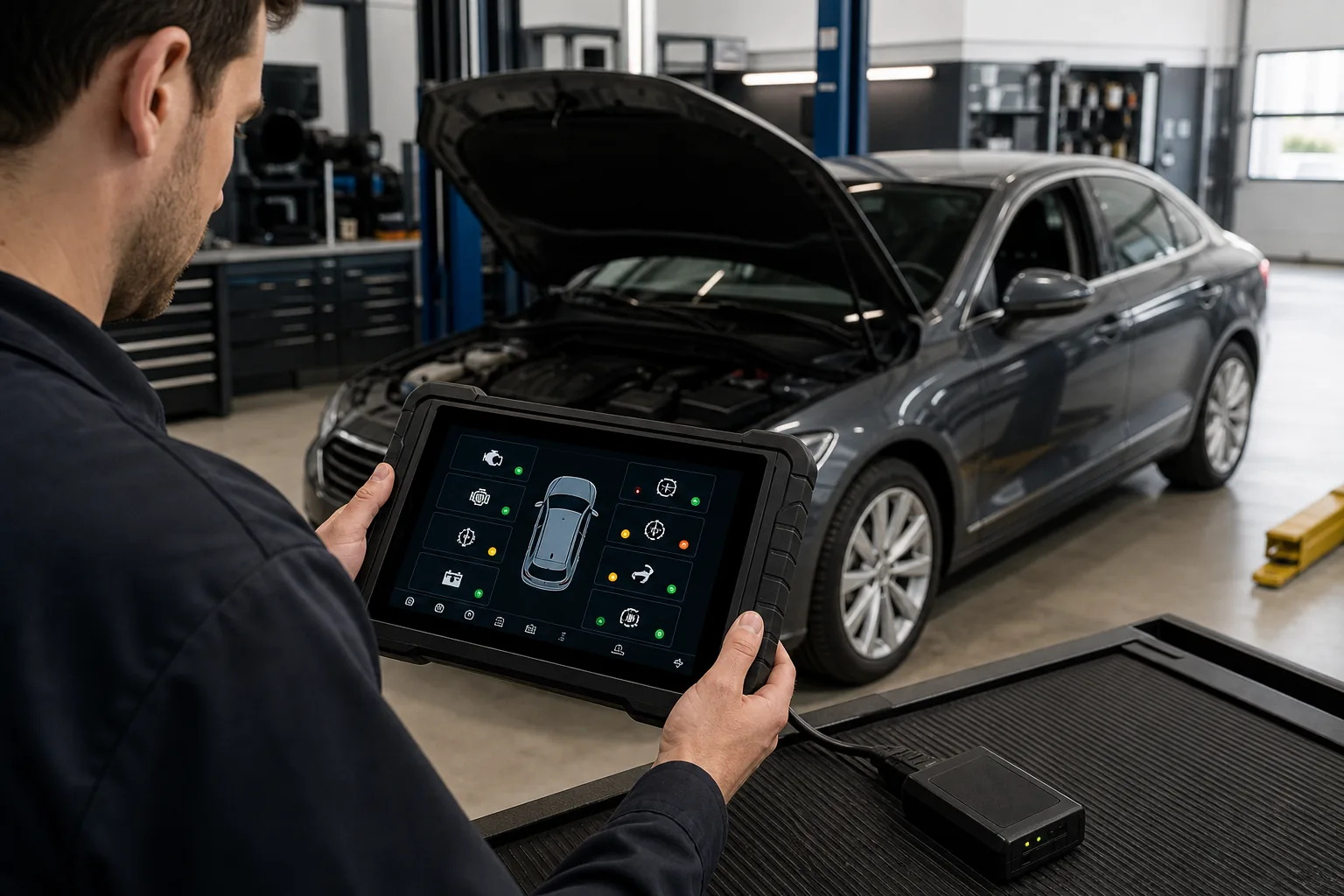
The automotive inspection diagnostic scan tool is selected with different priorities than a device for a service that will perform parts replacement. The purpose of inspection is to read the vehicle's electronic systems, fault codes, module communication status, live data indicators, and past repair history systematically before purchase. The device should record the current electronic status, identify risky systems, and present the report in a language understandable to the customer, rather than definitively linking the fault to a specific part. Therefore, for inspection devices, full system scanning, report quality, fast workflow, brand-year scope, access to critical modules like airbag/ABS/transmission, battery and charging system data, CAN FD/DoIP/SGW differences in new vehicles, and data storage methods are considered together.
An inspection device should produce records, risk readings, and repeatable reports rather than repairs.
Inspection task
What is expected from the device
Why is it important?
Con
Initial electronic scan
Full system code and module report
Records the vehicle's electronic image
Code is not a part decision
Airbag and ABS check
Access to critical safety modules
Indicates accident and repair risk
Scope varies by vehicle
Transmission and engine data
Live data and code relationship
Provides pre-drive symptoms
Requires test conditions
KM and module consistency
Reading different module data
May indicate an inconsistency
Not definitive proof of fraud
Report delivery
Shareable and readable output
Supports customer decision
Commentary requires caution
Decision guide
An inspection device is not purchased for the same purpose as a service device
In automotive inspection, the device's role is not to repair the vehicle, but to systematically read and report its electronic status. Therefore, scan quality and report language are as important as the number of functions.
An automotive service device assists in repairs with active tests, adaptations, or service functions. An inspection device typically indicates pre-purchase risks: existing fault codes, historical codes, non-communicating modules, airbag and ABS status, transmission codes, engine live data, and battery voltage, among other items. This data alone is not a buy or no-buy decision; it creates a technical picture of the vehicle.
Since the inspection report is presented to the customer, the device outputs must be understandable. Obtaining the code list as a PDF, storing it with date and vehicle information, separating pre- and post-service reports, and writing commentary without exaggeration builds trust. Even if the device offers many menus, a messy or unreadable report weakens the inspection workflow.
Time is limited at an inspection station. Searching through menus for a long time while the vehicle waits, making mistakes in VIN selection, or the device taking too long to list modules slows down operations. Therefore, fast scanning, automatic vehicle recognition, organized record-keeping, and a repeatable workflow are key criteria for device selection.
Full system scan
Report quality
Fast workflow
Unexaggerated commentary
Visual summaryDiagnostic signals that feed the inspection report
Technical signals
01
Full system scanEngine, ABS, airbag, transmission, and body modules
02
Code statusDistinction between current, historical, and pending records
03
Live dataCritical values read under test conditions
04
ReportVehicle information, date, and post-service record
An inspection device does not make a definitive part decision; it systematically collects technical signals to be used in the report.
Decision guide
Full system scanning is the main data layer of inspection
OBD2 engine scan is not sufficient for inspection. To understand the vehicle's electronic status, ABS, airbag, transmission, body, climate control, and other supported control units must be scanned together.
Standard OBD2 provides initial data related to engine and emissions. Inspection, however, requires viewing the vehicle's safety, comfort, and transmission systems as well. Having a code in the airbag module while the engine scan is clean does not indicate the vehicle is electronically clean. Therefore, full system scanning is a fundamental requirement for an inspection device.
A full system report is not a list of faulty parts. It shows which modules were communicated with, which codes are recorded, and in some cases, whether the code is current or historical. The inspection commentary reads this data in conjunction with mechanical inspection, bodywork inspection, test drive, and service history. Making a definitive judgment with a single code erodes trust.
A non-communicating module is also a noteworthy signal. This situation does not always mean a fault; the vehicle may not have the relevant module in its configuration, the software coverage may be incomplete, or communication conditions may not have been met. The inspection report should explain this difference and not present unseen data as a definitive problem.
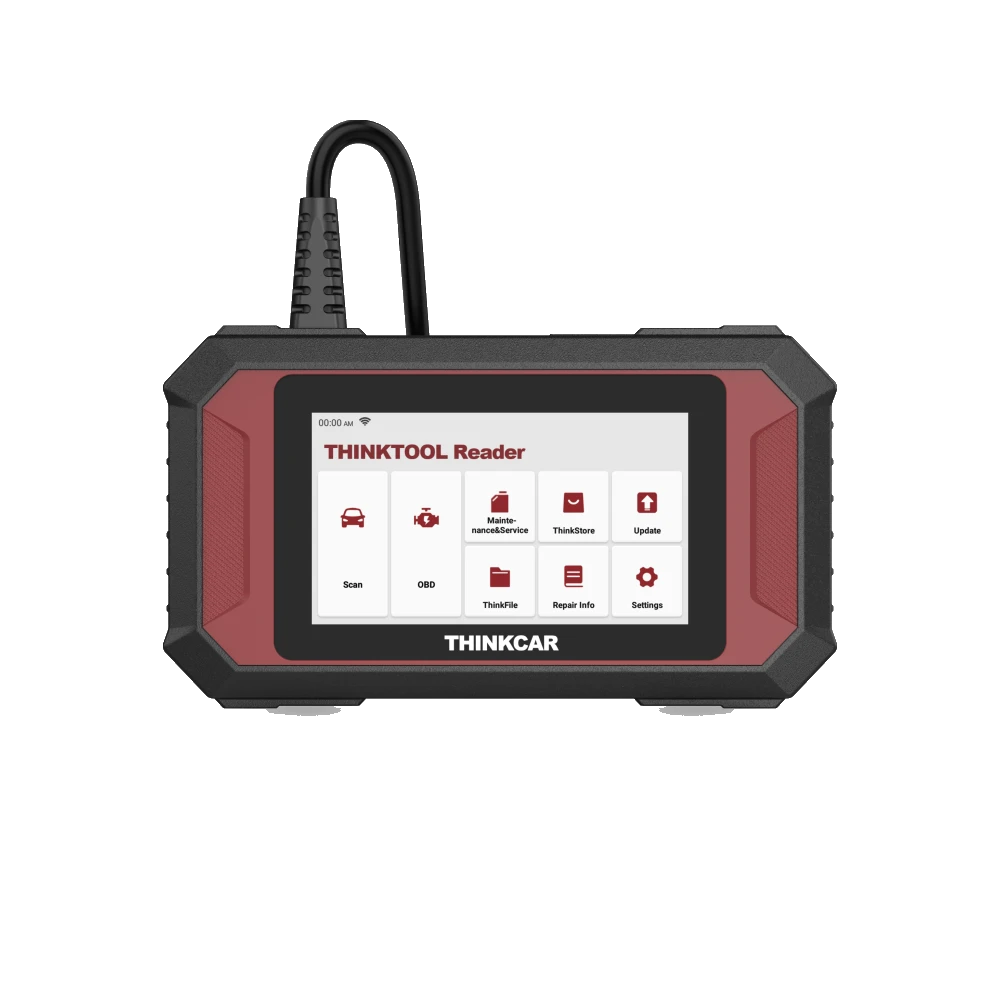
The Thinktool Reader 7 targets seven systems: engine, transmission, ABS, SRS, body, climate control, and instrument cluster. While this coverage can be useful for a pre-purchase inspection of a used vehicle, it cannot be presented as a 'full system' in an inspection report because not all ECUs are scanned. A comparison of the Reader 7 with the Ancel DS410 Lite demonstrates the difference between seven systems and the full system/active test class with separate evidence.
Engine
ABS
Airbag
Transmission
Body modules
Decision guide
Airbag, ABS, and transmission modules are critical priorities
In inspections, not every module carries the same risk weight. Systems like airbags, ABS, and transmissions require greater attention in purchasing decisions.
Codes in the airbag system can appear for various reasons such as accidents, connector issues, sensor problems, seatbelt pretensioner faults, or module communication issues. The presence of a code alone does not prove the vehicle has severe damage; however, it must always be noted separately in the inspection report. Since codes may have been cleared, current codes, historical codes, and system readiness status are read together.
ABS and brake support systems are critical for safety. Codes related to wheel speed, hydraulic unit, sensors, steering angle information, or stability control systems are examined in conjunction with a test drive and mechanical inspection. If the device can access these modules and display live data, the inspection goes beyond just looking at the warning light.
Codes and live data for the transmission can be critical for a purchase decision. Even in a vehicle with no shifting complaints, historical codes, oil temperature, pressure, or adaptation-related data can signal risks. However, device data alone is not a decision for transmission overhaul; it is supported by expert mechanical inspection.
Airbag codes
ABS live data
Transmission codes
Test drive relationship
Decision guide
Do not present odometer and module consistency as definitive claims
The inspection customer may expect a definitive answer regarding mileage; however, diagnostic device data is not always a definitive mileage verification tool. Data from different modules should be read as an indicator of consistency.
In some vehicles, mileage or operating information may appear in different control units. If there are discrepancies between this data, the inspection can note it as a question mark. However, it is not accurate to definitively claim mileage tampering without module data, vehicle history, and physical inspection. Device data is part of the chain of evidence.
Module replacement, software updates, used parts, data logging differences, or device software coverage can affect the interpretation of numbers. Therefore, an inspection report should distinguish between a 'signal of inconsistency' and 'definitive fraud'. A reliable report does not exaggerate the unknown; it states the observed data within its technical limitations.
For this item in device selection, the important factors are the ability to read different modules, transfer data to the report, and maintain dated records. If full system reports and module data screens can be saved, the inspection provides more organized documentation in case of future disputes. Reporting capability becomes more valuable than functionality here.
Module data
Signal of consistency
Report record
Limit of definitive claims
Decision guide
How is live data verified with a test drive in inspection?
Live data complements the static code list in inspections. Engine, transmission, brake, and charging system data can only be compared when the correct test conditions are recorded.
Values that appear clean at idle may change under load. Data such as turbo pressure, fuel trim, oxygen sensor, temperature, battery voltage, wheel speed, or transmission temperature are read in conjunction with conditions. If the device offers parameter selection, graphing, and recording, the inspection technician can write more robust test drive notes.
Making a decision based on a single live data value is erroneous. The commanded value and the actual value, engine speed, temperature, and the vehicle's load status are examined together. Instead of directly telling the customer the number from the device as 'part broken,' the inspection technician should explain which system requires further investigation.
Data logging also benefits the used car buyer. When the scan report and live data notes are provided together, the vehicle's current electronic status is better documented. This record also strengthens the inspection firm's standard workflow. When the same vehicle is inspected by different technicians, the report language remains similar.
Engine data
Transmission data
Charging system
Test drive record
Decision guide
Active test may not always be the main priority for inspection
Active tests are useful for distinguishing service faults from general issues; however, they are not always the first feature used at an inspection station. Scanning, reporting, and risk assessment take precedence in inspections.
Active tests can send commands to components like fans, pumps, or valves through supported ECUs. This can be a powerful tool for automotive electrical diagnostics or service troubleshooting. However, in an inspection context, performing unauthorized or unnecessary commands before the vehicle's ownership changes may not always be appropriate. Operations are limited by procedure, authorization, and vehicle conditions.
Having active tests on an inspection device is an advantage; however, it should not be the sole reason for selection if report quality is weak. In a station that accepts many vehicles quickly, full system scanning, module listing, code status, report output, and data storage may be more decisive. Active tests are more commonly used for advanced packages or fault verification services.
Therefore, device candidates for inspection can be divided into two groups. The first group is the service tablet class for fast full system reporting and live data. The second group is the more professional class requiring active tests, advanced data, and new protocol support. Which group is needed depends on the business model.
Report priority
Controlled active test
Service tablet
Professional class
Decision guide
The scope question grows for hybrid, electric, and new vehicles
Inspection stations no longer look only at classic gasoline and diesel vehicles. Hybrids and electric vehicles require separate expertise for battery, high-voltage systems, and new protocol support.
Not every device with an EV or hybrid logo means it reads all data from the high-voltage battery pack. Battery health information, module voltage, insulation, thermal data, or manufacturer-specific control screens depend on the device and vehicle coverage. Inspections should verify EV claims with official product coverage and vehicle examples.
Communication protocols like CAN FD and DoIP in new vehicles work in conjunction with the device's VCI and software support. New vehicle support cannot be confirmed by just looking at the tablet name. A DoIP-compatible VCI or cable may be required. CAN FD may be built-in on some devices or come with an additional adapter on some platforms. The inspection package should clearly show these components.
In vehicles with secure gateways, the authorization for reading codes may be separate from the authorization for clearing codes or performing active tests. Inspections are mostly focused on reading and reporting; however, some controls may require authorization. This situation is not presented as a device malfunction in the report. It is stated as being related to the vehicle manufacturer's security layer and the device session.
EV and hybrid coverage
CAN FD
DoIP
SGW
Visual summaryBalance of speed and depth in inspection
01
Fast pre-purchase inspectionStandard report and basic system scan
02
Detailed inspectionCritical modules, live data, and archive
03
Integrated work with serviceNeed for active tests, new protocols, and advanced logging
Not every inspection business needs the most expensive platform; the device level is determined by the scope of services provided.
Decision guide
Inspection reports require technical clarity before legal language
Since the inspection report influences the customer's decision, device data should be written in a calm, technical, and limited language. Uncertain claims should not be presented as definitive results in the report.
Fault code, history code, communication error, or live data deviation provides a technical signal. This signal does not automatically mean "vehicle is not accepted" or "part is definitely broken." The report language should distinguish between the displayed data, the test condition, and the need for further checks if necessary. This approach builds trust with both the customer and the inspection firm.
For this reason, the report template is important in device selection. The workflow is strengthened if the report can include vehicle information, date, declared mileage, scanned modules, codes, whether they were cleared, and technician notes. Proceeding with only screen photos creates a disorganized archive. The digital report is the visible face of the inspection service.
Artificial confidence signals are not used. Fake expert comments, unseen warranties, definite mileage claims, or absolute statements like "all electronic systems are clean" exceed the limits of device data. Inspection confidence comes not from exaggerated language, but from technical records collected with the same standard.
Technical signal
Report template
Limited commentary
Archive
Decision guide
What device class is logical for inspection?
For inspections, a service tablet offering full system scan, reporting, and live data is usually a good starting point. As the business model expands, devices with active tests, new protocols, and EV coverage are added.
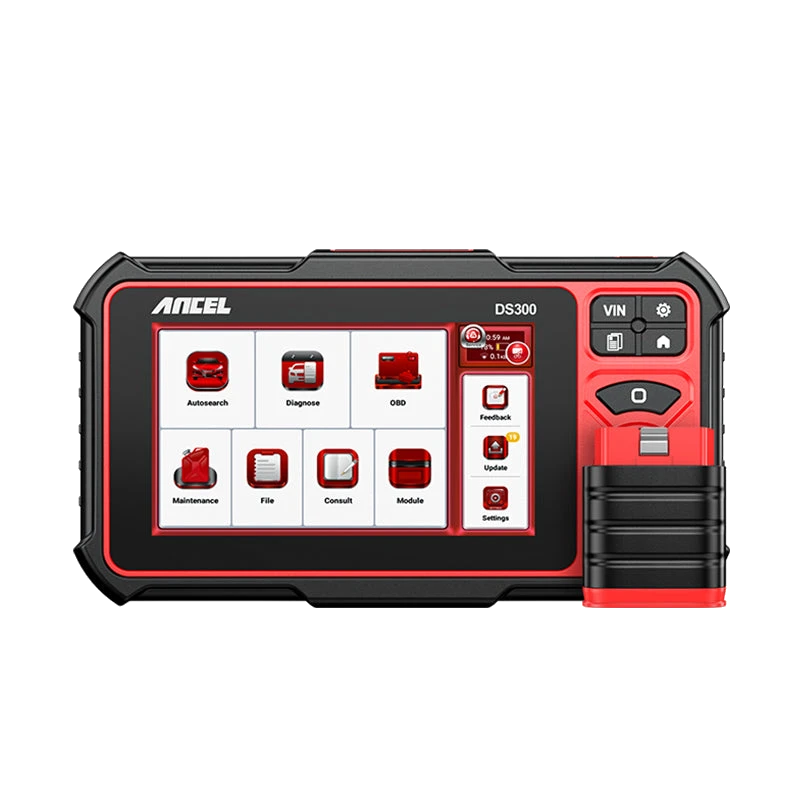
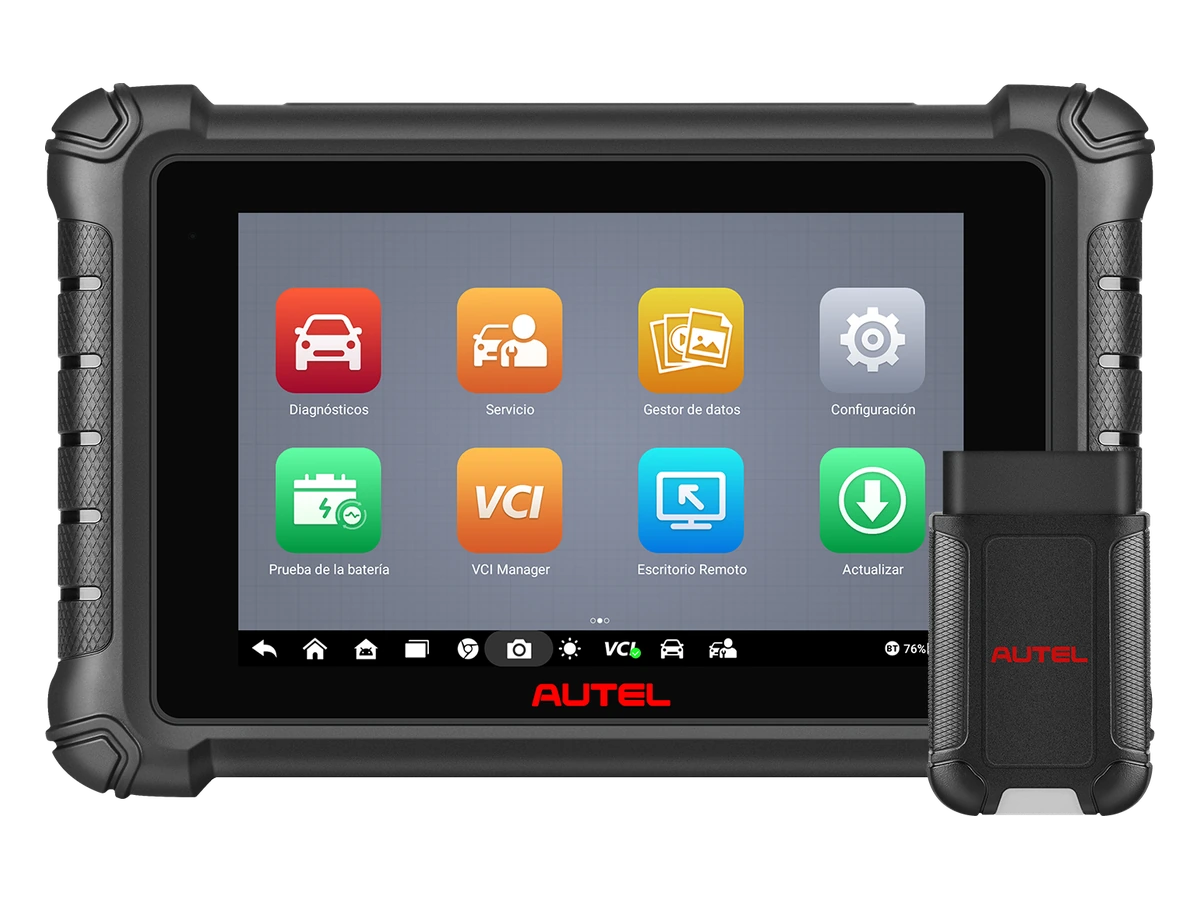
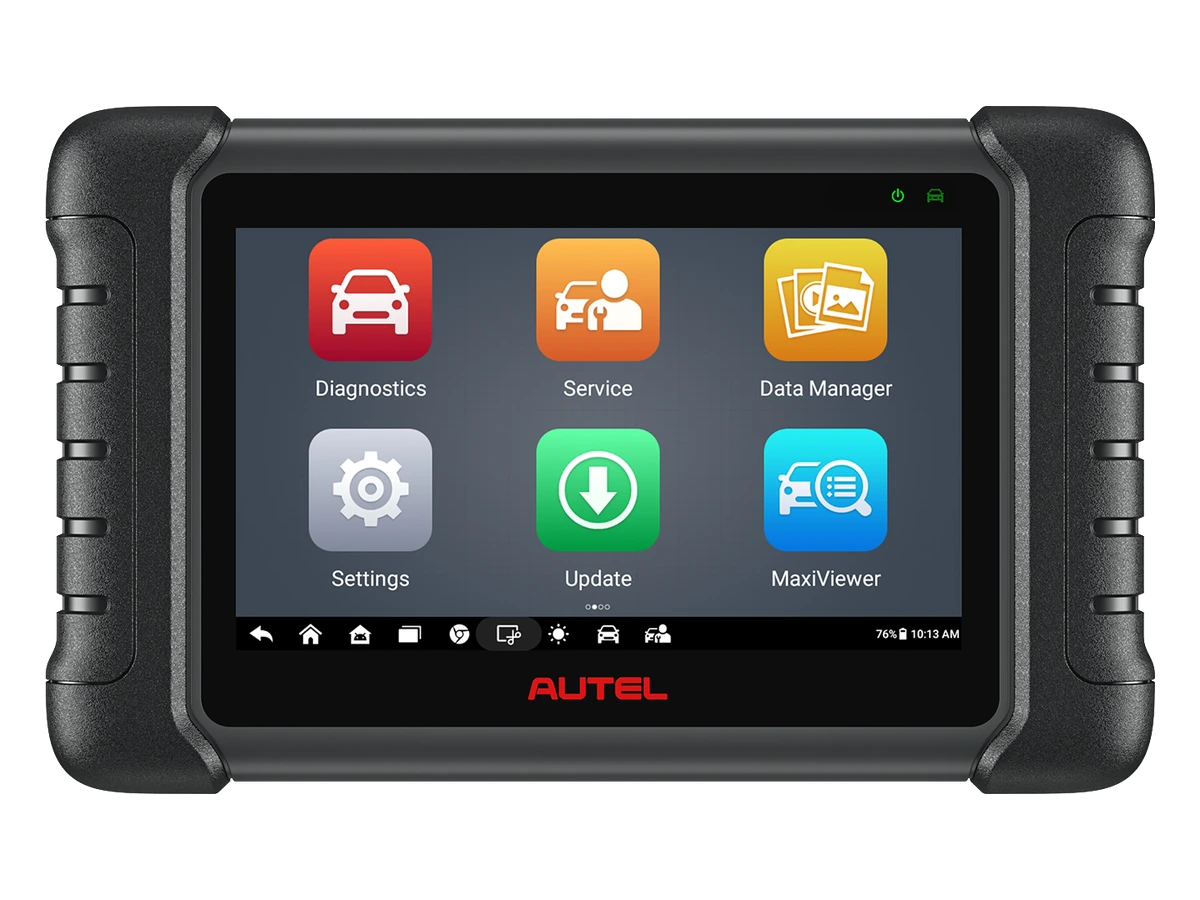
For a small inspection point, an Autel MX808S, Ancel DS300, or a similar service tablet class can meet basic needs. The real question in this class is which modules the device reads, how it generates reports, and how quickly the menus open for frequently encountered vehicles. Price alone is not a sufficient criterion.
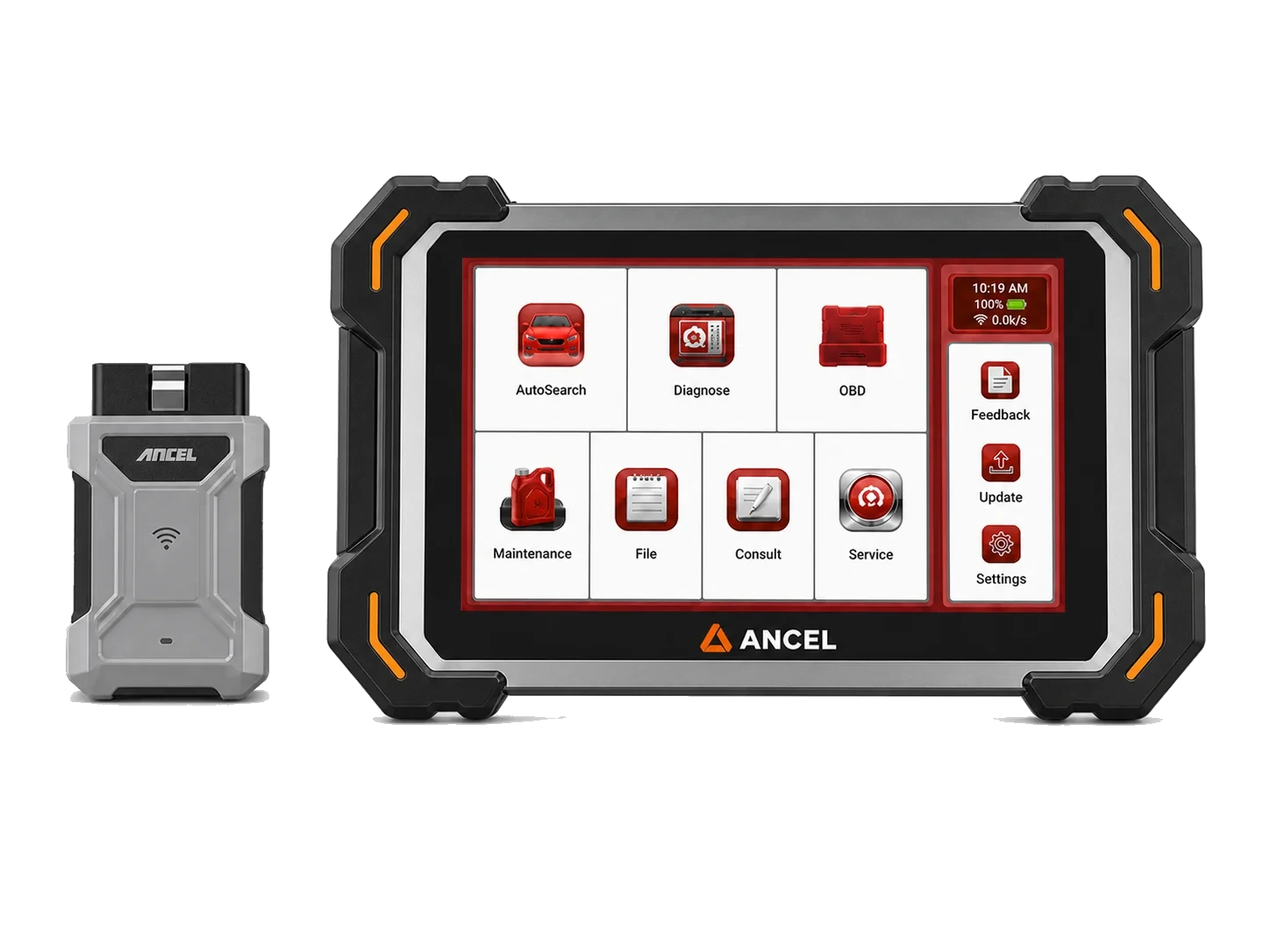
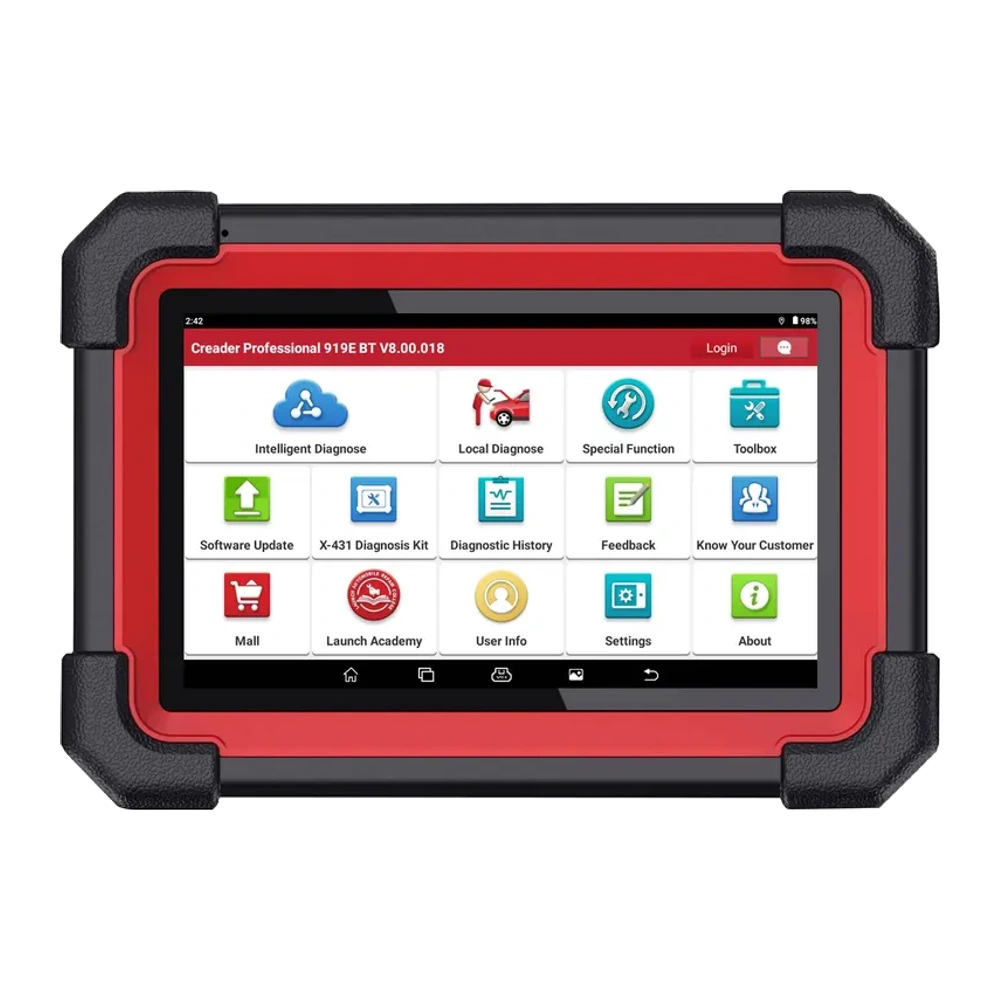
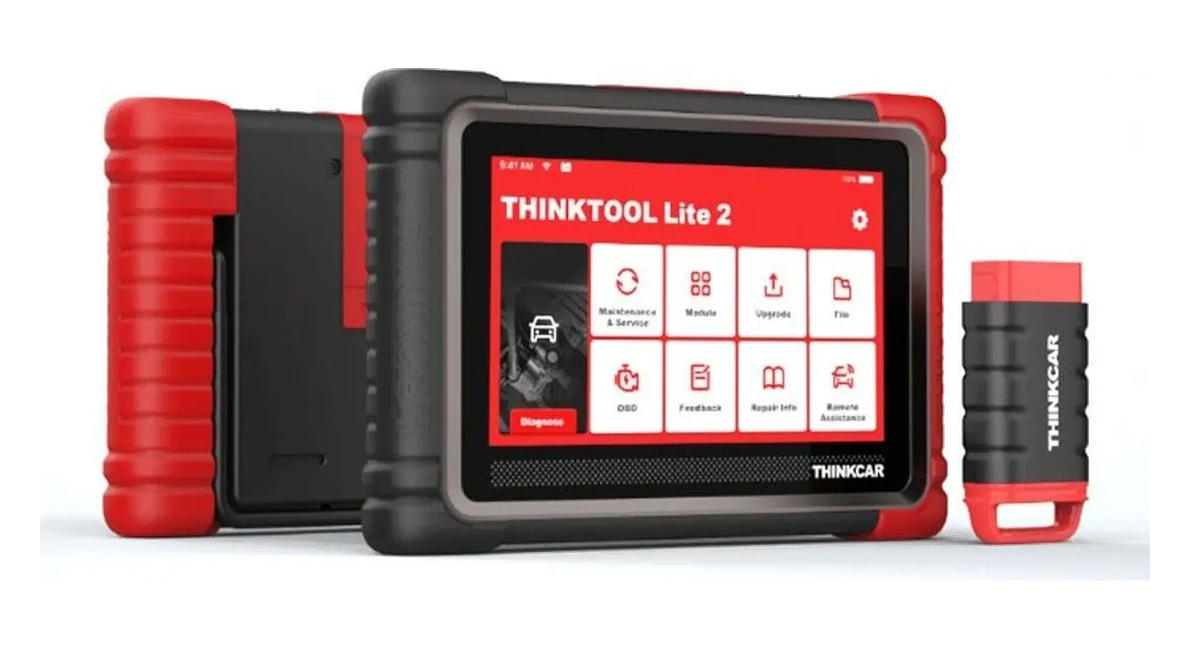
More intensive and multi-brand inspection stations can consider new protocols and wireless options like the Ancel DS500BT, Autel DS900BT, Launch CRP919E BT, or Thinktool Lite 2. If mobility and speed at the vehicle are important, a Bluetooth VCI offers practicality. However, software coverage should be checked against the manufacturer's current list for frequently inspected vehicles.
More comprehensive inspections or businesses working with service centers can consider professional platforms like the Autel MS906MAX, Ultra S2, or the Thinktool Master family. These devices are aimed at businesses that regularly use active tests, advanced data, measurements, or new vehicle network features along with reports. Unused advanced features can unnecessarily increase inspection costs.
Service tablet
Wireless VCI
New protocol
Professional platform
Decision guide
Select an inspection device with a standard checklist
In the final selection, each candidate device should be tested with the same inspection form. The form provides a clearer decision than device advertising.
The first section of the form is the vehicle class: passenger car, light commercial, hybrid, electric, or fleet. The second section is the critical systems to be scanned: engine, transmission, ABS, airbag, steering, body, and battery/charging system. The third section is the report: PDF, sharing, date, vehicle information, and code status. Without these lines, device selection remains incomplete.
The fourth section measures speed and operational flow. How many minutes does it take to complete an electronic scan of a vehicle, how is the report obtained, how many vehicles can the device scan without fatigue in the same day, do the battery and VCI interrupt the workflow? For inspections, these questions provide more practical answers than a feature list.
The final section is resources and limitations. The modules and functions supported by the device depend on the manufacturer's coverage and vehicle software. The inspection service explains this to the customer in plain language: device data is a record of the electronic scan and does not replace mechanical checks and physical inspection. This clarity is fundamental to professional service.
Vehicle class
Critical systems
Report
Speed
Scope limitation
Frequently Asked Questions
Most frequently asked questions by customers
Is a basic OBD device sufficient for automotive inspection?
Generally not. Inspections require reading ABS, airbag, transmission, and body modules in addition to the engine; therefore, a service tablet offering full system scanning is more suitable.
Does the diagnostic device definitively detect odometer rollback?
It is not accurate to say it definitively detects it on every vehicle. Different module data may provide consistency signals; definitive interpretation is made in conjunction with vehicle history, physical inspection, and other records.
Is active test necessary for automotive inspection?
It is not the primary priority for every inspection. Full system scanning, reporting, and live data are more basic needs; active tests are useful for advanced fault verification or service-assisted inspections.
If there is a fault code in the inspection report, is the vehicle not accepted?
No. The system, status, recurrence of the code, live data, and physical inspection are read together. The code is a technical signal for decision-making; it is not a definitive result on its own.
What is the most important device feature for automotive inspection?
Full system scanning and readable reports are the most basic features. Critical modules, live data, speed, archiving, and support for new vehicle protocols are added based on the business model.
Is every device suitable for EV and hybrid vehicle inspection?
No. In EV and hybrid systems, battery and high-voltage data depend on the device, vehicle, software, and package scope. This scope must be checked with official product information.
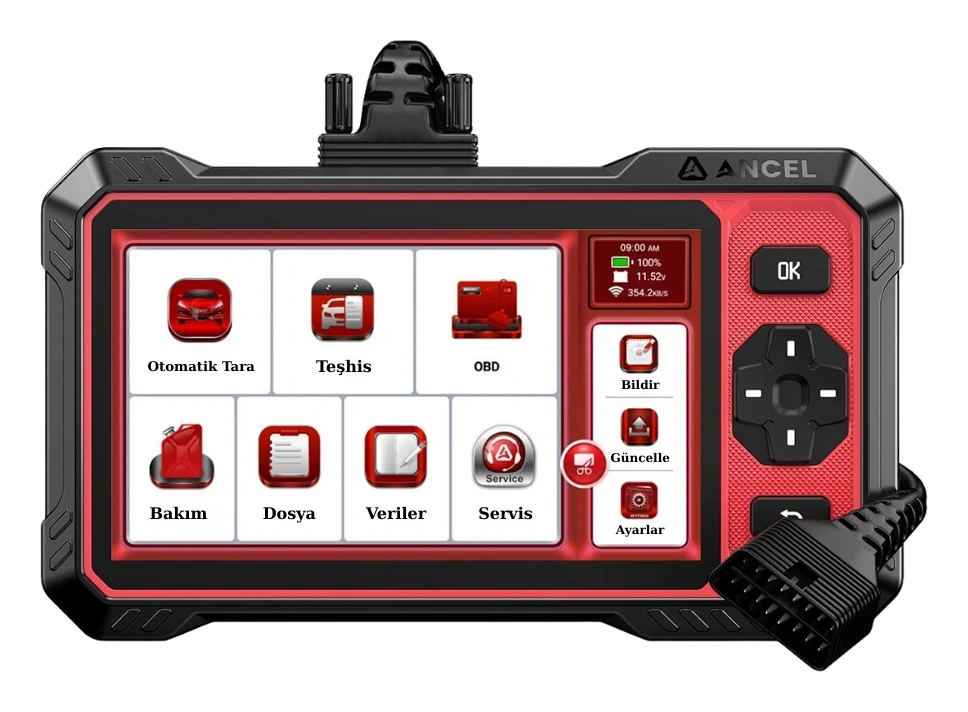
Ancel DS410 Lite is a wired service device with full system diagnostics, active testing, and CAN FD support. The device includes lifetime free updates.
The Ancel DS300 is a tablet-type automotive diagnostic tool offering full system scan, live data, active tests on supported vehicles, and vehicle-dependent service functions. For new purchases, compare with the current DS500BT option.
Thinktool Reader 7 is a 5-inch wired device that reads codes and live data in seven vehicle systems, offering seven maintenance functions from 28 options.