Are active test, adaptation, coding, and ECU programming the same thing?
Active test, adaptation, coding, and ECU programming are not different names for the same menu. Active test sends a temporary command to a supported actuator. Adaptation or basic setting adjusts the learned or reference values of a system according to the manufacturer's procedure. Coding changes vehicle configuration; programming is the process of loading or rewriting control unit software. Each step requires different devices, authorization, power support, and technical responsibility. When selecting a product, instead of general statements like 'coding available,' it should be investigated whether the intended operation is supported by the relevant control unit of the vehicle.
Reading fault codes, ECU ID, and live data is about obtaining information from the control unit. Clearing faults, active test, adaptation, coding, and programming involve commands that change the vehicle's status. Security gateways and ECU sessions may require additional authorization for write operations. A device's ability to read a module does not mean it can perform all modifications on that module.
On the service screen, 'Data,' 'Special Function,' 'Active Test,' 'Coding,' and 'Programming' tabs for the same control unit may be separate. Each tab calls different diagnostic services. Grouping them under a single 'Advanced Function' heading on the product page can be misleading to the user.
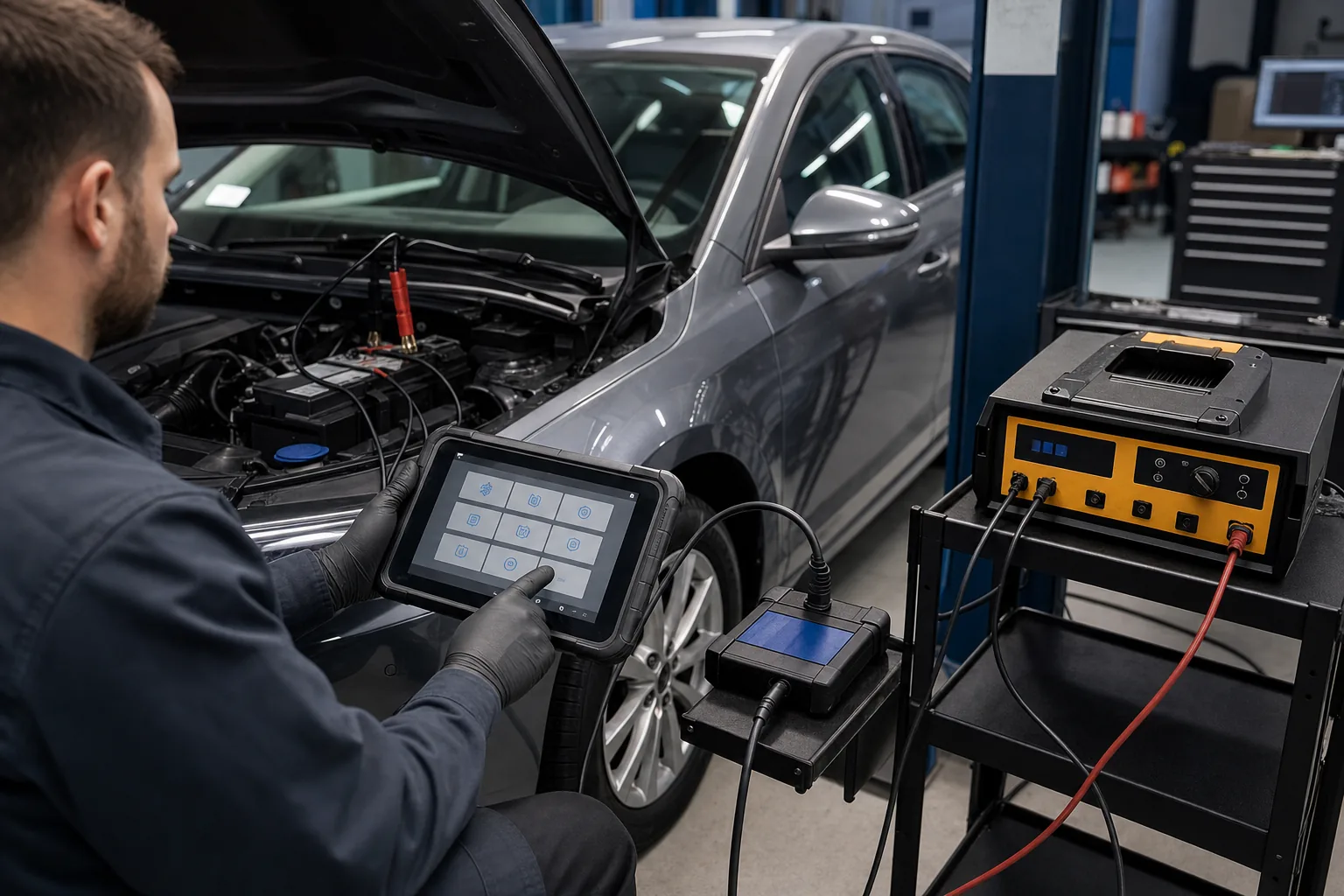
Before write operations, an initial scan report, vehicle ID, battery voltage, and current configuration are saved. Customer approval is obtained. Modifications without a known rollback or recovery method are not attempted. Manufacturer instructions are followed, especially for safety, brake, and powertrain systems.
Operation success is verified not only by the device message but also by system behavior. Actuator feedback in active test, new reference value in adaptation, configuration in coding, and software number in programming are checked. A final scan and, if necessary, a test drive are performed.
Visual summaryDiagnostic Process Levels
01
Live dataObserves the status
02
Active testSends temporary command
03
AdaptationAdjusts reference or learned value
04
CodingChanges vehicle configuration
05
ProgrammingLoads or rewrites ECU software
Although menu names may appear similar, the impact on the vehicle and the required security conditions differ.
Decision guide
What Does Active Test Do?
Active test or bi-directional control is when the diagnostic device sends a command to a supported control unit to operate an actuator in a controlled manner. Examples include cooling fan, fuel pump, EGR valve, injector cut-off, door lock, or lighting. The goal is not to operate the part randomly but to observe the relationship between the command and the physical response.
In HELLA's ABS/ESP technical information, actuator test is defined as a separate control option alongside fault memory and parameter reading. This distinction is important: live data shows what the system sees, while active test shows how the system responds to the command sent by the device.
Before an active test, the component to be moved and the surrounding risks are identified. The fan may suddenly rotate, the pump may build pressure, the lock may engage, or the brake actuator may move. Vehicle lifting arrangements, personnel, and equipment safety must be ensured. Fuel and exhaust-related tests require adequate ventilation and fire safety.
The actuator not working does not necessarily mean the part is definitively faulty. Power supply, ground, wiring, control module output, safety prerequisites, and mechanical binding are evaluated. It is checked whether the device's command is actually accepted through status flags and error messages.
Temporary Command
Physical Response Check
Response Verification with Live Data
Work Area Safety
Decision guide
When Are Adaptation and Basic Settings Required?
Adaptation, learning, or basic setting is applied to teach the control unit the reference value of a sensor, actuator, or mechanical system. Throttle body, steering angle sensor, transmission learning, EPB pad position, or new battery registration may appear under this heading by different manufacturers. Not every part replacement automatically requires adaptation.
Basic setting often assumes the system is mechanically and electrically fault-free. HELLA ABS/ESP sources state that sensors can be adjusted according to manufacturer values and that the prerequisite for basic setting is a fault-free system. Forcing calibration while a fault persists does not hide the root cause.
Adaptation reset and teaching new values may not be the same process. After old learned values are deleted, idling, driving, or specific movement procedures may be required. The device should display the steps on the screen; the technician should verify with the vehicle manufacturer's technical documentation.
The actual value and status indicator are checked after the operation. The steering angle sensor should show a reasonable value in the straight position, the throttle body command-actual relationship should be normal, or the EPB system should return to its working position. Even if the warning light turns off, the physical behavior is tested.
Visual summaryPreparation Based on Operation Risk
01
Define the OperationActual Target and Expected Result
02
Verify ScopeVehicle, ECU, and Software Version
03
Prepare the EnvironmentPower, Network, and Access Account
04
Record the ResultPre- and Post-Scan and Functional Test
As the impact of the operation increases, the requirements for vehicle identification, backup, power support, and authorization also increase.
Decision guide
What Does Coding Change?
Coding changes the configuration that informs the control unit about the vehicle's hardware, variant, or specific options. Examples include pairing a newly installed module with the vehicle, enabling a supported hardware option, or specifying a part variant. Coding is different from completely rewriting the software file; however, incorrect values can render the vehicle inoperable or unsafe.
Different names such as long coding, variant coding, configuration, or personalization may be encountered. Some operations are for user comfort; others are related to safety and homologation. A device offering 'coding' for a specific brand does not cover all modules and options.
When a new module is installed, the old configuration can be read and backed up. Part number and software compatibility are checked. A module taken from another vehicle may have security, immobilizer, or component protection. Coding does not automatically resolve these protections and does not replace legal ownership verification.
When enabling hidden features at the customer's request, the compatibility of the function with the vehicle's hardware and local regulations is evaluated. Enabling a software option without the corresponding hardware can cause faults. The change list and rollback value are saved in the service record.
Decision guide
Why Are ECU Programming and Software Updates Riskier?
ECU programming can rewrite the control unit's operating software or calibration data. If communication or power is interrupted during the process, the ECU may not be able to complete its startup. Therefore, a compatible VCI, the correct software file, a stable power supply, a reliable computer/network, and manufacturer procedures are required. Programming should not be attempted like daily fault clearing.
SAE J2534 Pass-Thru provides a standard interface approach between the supported manufacturer software and the vehicle. DoIP can be a high-speed communication path in some newer vehicles. However, OEM account, subscription, security certificate, and vehicle-specific file requirements must also be met.
The battery charger and programming power supply may not be the same product. Stable voltage and sufficient current must be provided throughout programming. Automatic fans, pumps, or other consumers may activate. The suitability of the power supply to the vehicle manufacturer's range is verified.
If there are communication or low voltage issues in the vehicle before programming, the operation is postponed. The computer's sleep mode, automatic updates, and weak internet connection are checked. USB or Ethernet cables are secured; the tablet is not used for other tasks during critical stages.
Visual summaryOperation Prerequisites
Technical signals
01
Stable PowerManufacturer-Appropriate Support Unit
02
Correct ConnectionVCI, Cable, and Communication Path
03
Authorization and LicenseAccount, Subscription, and Secure Access
04
Correct FileVIN, ECU, and Software Match
The presence of an operation in the menu does not mean all prerequisites are met.
Decision guide
Online Coding, Online Programming, and Cloud Functions
The term 'Online' does not solely explain the operation type. Coding data may be retrieved from the device manufacturer's server, an OEM portal may be accessed, or remote expert support may be used. Supported brands and modules, credit or subscription costs, and account responsibility should be clearly stated on the product page.
Online coding can retrieve configuration data from the server; online programming can upload software files. The same device may offer only coding for one brand and programming for another. The general term 'online programming' in the product title is not proof of programming support for a specific brand-model.
In cloud diagnostics or remote expert services, another technician can access the vehicle. Customer consent, data security, and liability limits are determined. Remote command issuance does not eliminate physical safety at the worksite; the technician at the vehicle monitors the process.
The recovery method should be known in case of server access interruption. The account and device region must match, and the serial number must be legal and active. Accounts with unknown origins or shared logins pose risks of access loss and data security issues during the operation.
Decision guide
Security Gateways and Authorization
In newer vehicles, SGW, SFD, or manufacturer-specific security access may protect write operations. The device may request authorization for active tests or coding while reading live data. CAN FD or DoIP support does not automatically enable security sessions. A valid service account, device integration, and internet may be required.
When an operation is rejected, the message provided by the device is recorded. Physical connection, vehicle selection, and software version are checked. If authorization is confirmed to be required, the supported official method is used. Randomly trying other models or unauthorized software is not advised.
After security access is enabled, only the function specified in the work order is performed. Accounts are not shared, and the technician logs the operation. If an intermediate connection cable was used, the vehicle is returned to its original connection, and a final general scan is performed.
Immobilizer, key, and anti-theft systems require additional ownership verification and special authorization. A general coding menu does not imply that these functions are automatically available. Legal and technical procedures are evaluated separately.
Visual summaryTranslate Device Statement to Actual Function
01
Operation NameActive Test, Adaptation, or Coding?
02
Vehicle informationBrand, Model, Year, and Variant
03
Access MethodOnline Account or Pass-Thru Device
04
EvidenceCurrent Vehicle Coverage and Operation Screen
Instead of 'coding available,' it should be asked for which vehicle, for which ECU, and by which method it works.
Decision guide
How to Interpret Statements on a Device Product Page
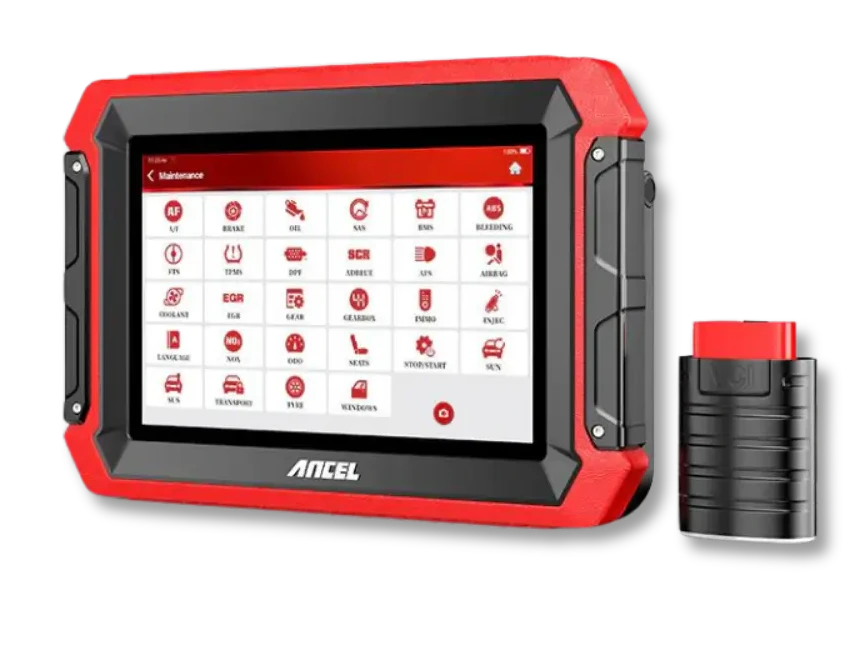
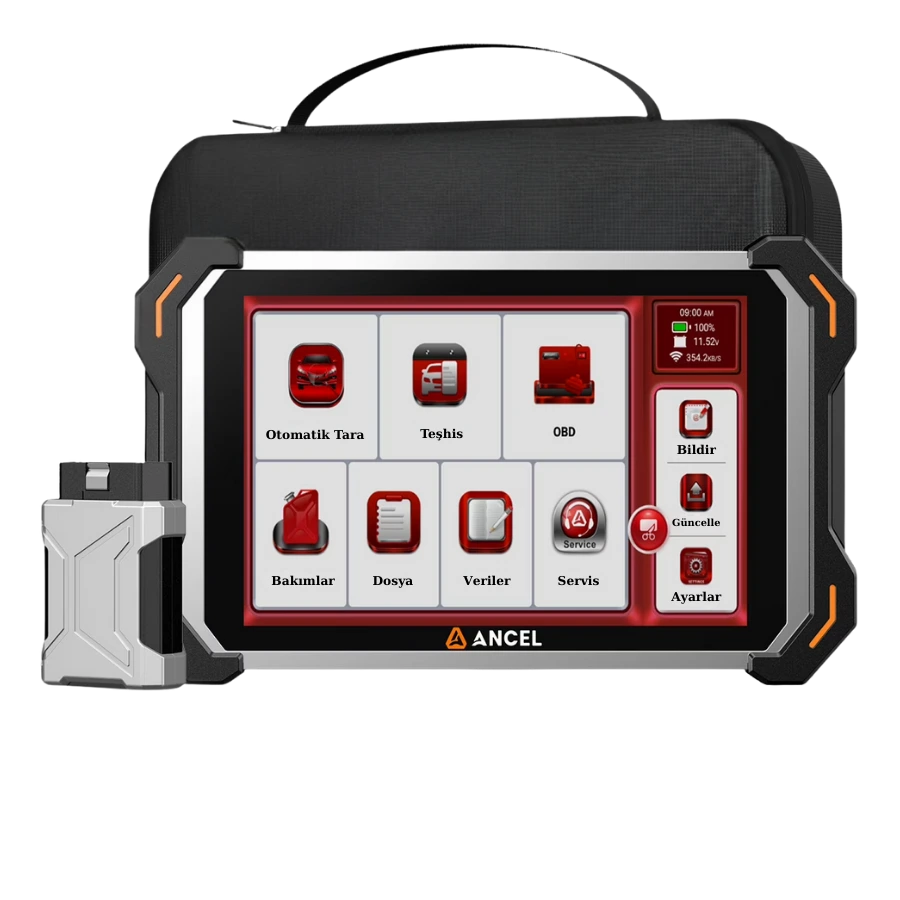
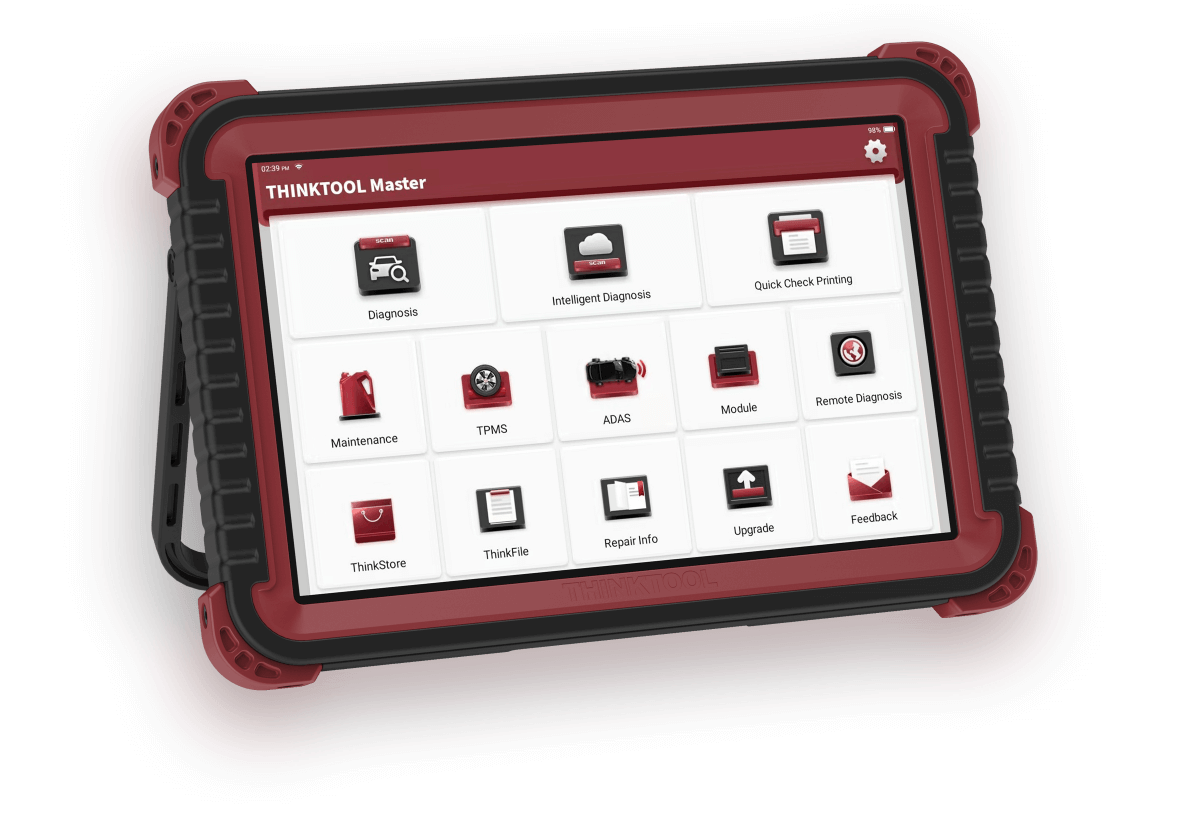
The badges 'Active Test,' 'ECU Coding,' 'Online Programming,' and 'J2534' describe distinct capabilities. The product page should specify the brand, model-year, and module coverage with limitations for each. Absolute claims like 'coding on all vehicles' or 'programs all ECUs' are not reliable.
Active test scope should be explained on a vehicle and control unit basis for engine fan, ABS pump, body actuator, and other systems to be tested. Coding scope should be specified on a brand and module basis; programming method should be indicated by distinguishing between device software or OEM Pass-Thru.
Hardware package is also important. VCI's J2534 or DoIP capability, USB/Ethernet connection, and driver support are required for programming. A stable power supply is usually separate equipment. Subscription and credit costs not included in the product price should be stated.
When the update period expires, the operational status of existing functions and access to online services are inquired. Device serial number, region, and account transfer are checked when purchasing second-hand. Critical writing operations are not planned on a device with an uncertain license.
Decision guide
Correct Investment Based on Service Level
For maintenance and mechanical service, full system scan, live data, common service functions, and secure active test may be prioritized. Electronic service requires coding and oscilloscope capability more. A workshop performing ECU software work invests in J2534/DoIP, OEM accounts, power supply, and recovery processes.
The most expensive device is not the most suitable device for every workshop. Instead of allocating budget to online programming packages that will not be used, daily vehicle coverage and reporting can be improved. Conversely, a workshop that frequently performs new module replacements settling for only basic service functions will lead to outsourcing work.
The last six months of work orders are examined: how many active tests, adaptations, coding, or programming jobs came in? Which brands and modules are recurring? Lost jobs and external service costs indicate the return on investment for the device.
Training costs are added to the device budget. Writing operations are not just about finding a menu; knowledge of networks, power, ECUs, and manufacturer procedures is required. The workshop creates a standard operating procedure and a pre-operation checklist.
Decision guide
Mandatory Pre- and Post-Operation Checklist
Before writing or command operations, vehicle identification, part number, customer approval, initial scan, system voltage, device update, and connection stability are verified. Physical safety is ensured for components that will move. For coding or programming, the current configuration and software number are recorded.
During the operation, do not deviate from the device's on-screen instructions. Contact, pedal, gear, and temperature preconditions are applied according to the model. If communication is lost, do not randomly turn the ignition; follow the manufacturer's recovery procedure. Do not close the session until a success message is seen.
After the operation, check the fault memory, live data, and system status. For adaptation, a learning drive is used; for coding, an options test; for programming, the software number; and for general checks, a full scan. The vehicle is not delivered if there are new codes or warnings.
The performed operation is explained to the customer by its actual name. If an active test was performed, it is not called programming; service resets are not presented as coding. Clear terminology supports purchasing the right device, correct pricing, and technical confidence.
Decision guide
How Are Four Operation Levels Distinguished for the Same Fault?
The distinction becomes more apparent with a complaint related to the electronic throttle body. Live data shows the pedal demand versus the throttle's actual position. Active test can send a controlled movement command to the throttle on supported vehicles. Basic setting re-learns the reference positions after basic adjustment, cleaning, or part replacement. Coding can identify the vehicle variant for a new control unit; programming rewrites the ECU software with the appropriate file. Although they fall under the same system, these operations are not interchangeable.
If the complaint is solely due to a dirty mechanism or wiring fault, programming is not the solution. When an active test fails, do not directly attempt coding; measure supply, ground, signal, and mechanical movement. Failure to complete basic setting may indicate that a precondition or the part is still faulty.
When a new ECU is installed, check part number and software compatibility. Some vehicles may require programming first, then coding and adaptation, while others use a different sequence. Match the device's guidance with manufacturer service documentation.
Service pricing is also based on the actual operation performed. A five-minute active test is not the same service as programming, which requires a stable power supply, OEM account, and recovery plan. Clearly explain the operation performed, risks, duration, and verification results to the customer.
Frequently Asked Questions
Most frequently asked questions by customers
Are Active Test and Coding the Same?
No. Active test sends a temporary command to the actuator; coding changes the control unit's vehicle configuration.
Does Adaptation Update ECU Software?
No. Adaptation adjusts reference or learned values. Software update is a programming process.
Does a Device with J2534 Program All Vehicles?
No. Compatible OEM software, account, subscription, driver, vehicle coverage, and a secure power supply are also required.
Does Active Test Definitely Indicate Component Health?
No. Lack of response may be due to power supply, wiring, control unit, prerequisite, or mechanical binding. Results are verified by measurement.
Is a Power Supply Required During Coding?
Stable power support may be necessary depending on the operation and vehicle. A suitable programming power supply is critical for ECU programming; manufacturer voltage and current instructions are followed.