What are CAN FD and DoIP? Why are they important when choosing a device for new vehicles?
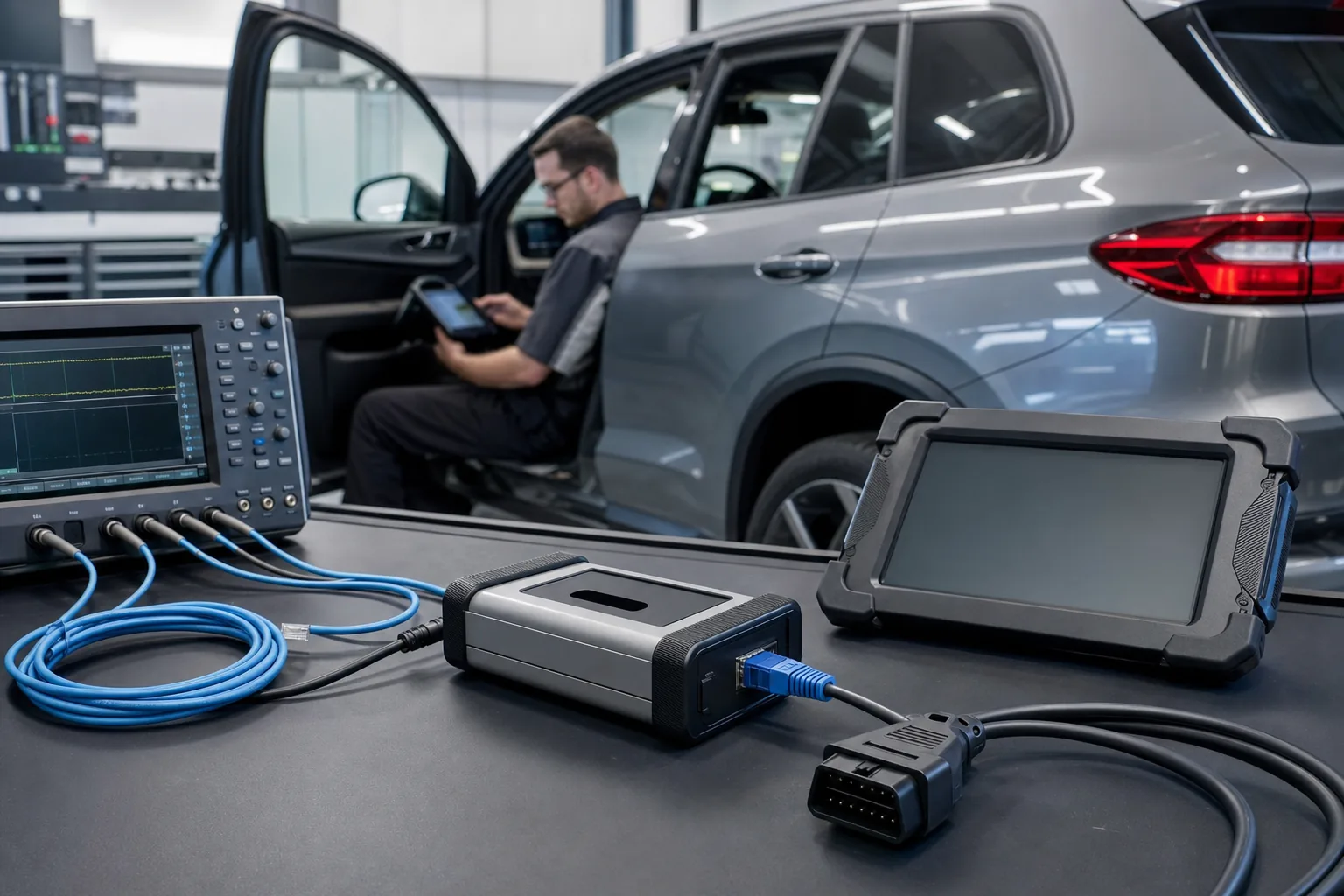
CAN FD and DoIP are two different technologies that describe the communication path through which a diagnostic tool can communicate with new generation vehicles. CAN FD carries a longer data field on CAN-based networks and can provide higher speeds in the data section. DoIP, on the other hand, transmits diagnostic communication over IP and Ethernet. The presence of these logos on the device box is important; however, it does not guarantee unconditional access to all vehicle modules, coding, or programming operations. Hardware, VCI, cable, software, security authorization, and model-year coverage must be checked as separate technical requirements.
How are CAN FD, DoIP, and other terms differentiated?
Concept
Layer it describes
Meaning in service
What it does not prove alone
Classic CAN
In-vehicle data bus
Communication with many control units
Access to all new vehicles
CAN FD
Extended data communication in the CAN family
Need for a VCI compatible with new networks
Coding and vehicle coverage
DoIP
Transporting diagnostics over IP/Ethernet
Access to high-speed diagnostic path
Online account and programming authorization
J2534 Pass-Thru
Interface between vehicle and manufacturer software
Transition in supported OEM processes
Being free for every OEM and process
SGW/SFD
Secure access layer
Authorization for some write and active operations
Automatic activation with protocol support
Decision guide
OBD socket and communication protocol are not the same thing
The presence of a standard-looking 16-pin diagnostic socket in a vehicle does not mean that all communication passing through the socket is the same. The physical connector is merely the connection point for communication. Inside the vehicle, there can be classic CAN, CAN FD, Ethernet-based DoIP, or other manufacturer-specific gateways. The diagnostic device's VCI hardware and software must both support the communication path used by the vehicle it connects to.
Basic OBD2 readers mostly access standard engine data related to emissions. A multi-system diagnostic tablet attempts to establish a manufacturer-specific session with ABS, airbag, body, transmission, and other control units. Supporting new network protocols is one of the infrastructure conditions for this broader access; however, if the relevant control unit definition is not present in the software, the hardware alone is not sufficient.
The ISO 13400 series defines DoIP communication over IP. The current ISO 13400-2:2025 covers requirements such as vehicle discovery, connection establishment, gateway control, data routing, and error management. This indicates that DoIP is not just a "faster cable" but a network-based diagnostic session between the vehicle and the test device.
The term "OBD2 compatible" is therefore narrow in service purchase decisions. It is necessary to ask which vehicle groups, model years, control units, and service tasks can be accessed. Hardware protocol, software coverage, and security access are independent requirements.
Visual summaryWhat do CAN FD and DoIP describe?
01
Classic CANCommon control unit communication network
02
CAN FDExtended data field and flexible speed in the CAN family
03
DoIPTransmits diagnostics over IP and Ethernet
Protocol support explains the communication path; service function and vehicle coverage are verified separately.
Decision guide
How does CAN FD differ from classic CAN?
CAN FD is a flexible, high-speed extension of the Controller Area Network family. It can carry a larger data field compared to the classic CAN frame and can switch to a higher bit rate in the data portion of the frame. It helps in the efficient transfer of more data between control units in the vehicle. What is important for the diagnostic device is that the VCI hardware can correctly send and read these frames.
CAN FD support cannot always be added to older VCIs with just a software update; the hardware must support the relevant physical and data link layers. In some devices, CAN FD is integrated into the main VCI, while in others, a separate adapter or a new generation VCI is required. The contents of the product package and whether additional adapters are needed should be checked.
The presence of CAN FD in a vehicle may not mean that all control units are on the same network. Networks such as classic CAN, CAN FD, LIN, and Ethernet can coexist in the vehicle architecture. The central gateway routes between different networks. The inability to access a module cannot be explained solely by "no CAN FD"; the gateway, security, and software coverage must also be examined.
If the CAN FD logo is visible on the device product page, the brand and model examples in the service should be searched in the manufacturer's vehicle list. Whether full scan, live data, and required service functions are supported on a specific Opel, GM, Ford, or other brand model should be checked from the current function list. Protocol support is the infrastructure for function coverage; it is not the function itself.
Larger data field
Possibility of higher speed in the data phase
Requirement for compatible VCI hardware
Model-year software coverage check
Decision guide
What does DoIP provide and why does it use Ethernet?
DoIP is an abbreviation for "Diagnostics over Internet Protocol." It enables diagnostic messages to be transmitted over network technologies such as IP, TCP, and UDP. It includes vehicle discovery, connection establishment, and data routing steps between the Ethernet-based diagnostic gateway in the vehicle and the test device. It can provide high-speed communication advantages for large software data and extensive vehicle networks.
ISO 13400-2:2025 defines client and vehicle server requirements for secure and non-secure DoIP communication. Steps such as the presence of a vehicle gateway, obtaining an IP address, and maintaining the connection are different from classic serial communication. A "DoIP-enabled" service device requires more comprehensive software and hardware capabilities than just an Ethernet pin connection.
ISO 13400-3 addresses the IEEE 802.3-based physical requirements of the wired vehicle interface, and ISO 13400-4 addresses connector requirements for high-speed diagnostic connections. The practical result for the user is that the correct VCI or DoIP cable and the correct pin configuration may be required. Not every USB-Ethernet adapter can be used as an automotive diagnostic interface.
Just because DoIP provides high speed does not mean the device will automatically perform online programming. Programming may require manufacturer software, a valid account, subscription, security access, adequate power support, and the relevant vehicle procedure. DoIP is the communication path; commercial licenses and authorization are different layers.
Visual summaryAccess chain from vehicle to software
01
Vehicle networkActual model-year architecture
02
Cable and VCIPhysical and electronic compatibility
03
Diagnostic softwareECU and function coverage
04
AuthorizationRequired secure session or account
If even one link in the chain is incompatible, the presence of a protocol logo on the device box is not sufficient.
Decision guide
Why do CAN FD and DoIP not solely determine the device's function list?
Diagnostic function is achieved through the combined operation of multiple layers. The VCI must physically carry the message, the tablet software must recognize the vehicle and control unit, call the correct diagnostic service, and the vehicle security layer must accept the operation. CAN FD or DoIP support indicates that the communication hardware is ready for these protocols. Active test, adaptation, coding, and programming coverage are verified separately.
For example, a device may quickly scan a vehicle via DoIP but may not offer a coding menu for a specific control unit. Another device using the same protocol may have broader software functionality. This difference arises not from hardware speed but from the manufacturer's software development, license, and vehicle database.
The security gateway can also limit access. The device may read fault codes, but it may request authentication when sending delete, active test, or adaptation commands. The operation is rejected despite establishing protocol communication. This situation should not be interpreted as a CAN FD or DoIP failure.
Package or regional differences are important. The VCI version, cable package, software region, or active license of a device sold under the same model name may differ. The current package on the Otobiltek product page is compared with the manufacturer's technical scope. For used devices, the account and serial number status are checked separately.
Decision guide
How to diagnose if a connection cannot be established in a new generation vehicle?
When a communication problem is observed, the first step is not to immediately blame the device or the vehicle. Check the power and ground at the OBD socket, fuses, battery voltage, VCI status, cable, correct vehicle selection, and software updates. Then, verify the vehicle's requirement for CAN FD, DoIP, adapter, or security access.
If the VCI is not receiving power at all, the physical power issue should be resolved before discussing protocols. If general OBD connection exists but specific modules are not visible, the network topology, gateway, and software coverage should be investigated. A VCI that works with another vehicle may not support the correct protocol or pin connection for this model.
When network discovery or IP session establishment fails in a DoIP connection, check the correct interface mode and cable. The tablet's Wi-Fi connection being connected to the internet does not mean a DoIP session with the vehicle has been established. The internet, cloud services, and vehicle Ethernet connection are different network paths.
In systems using a CAN FD adapter, ensure the adapter is plugged in the correct orientation and port, and that the device software recognizes the adapter. Intermediate cables and extensions can affect signal integrity. Attempting a connection with a splitter or long cable not provided by the manufacturer can lead to erroneous diagnosis.
Battery and OBD power supply
VCI and cable
Correct vehicle variant
Protocol/adapter requirement
Software and security access
Visual summaryBreak down the connection problem into layers
Technical signals
01
Power supplyOBD voltage and VCI status
02
ProtocolCommunication used by the vehicle network
03
SoftwareCorrect make and variant selection
04
SafetySGW or online access requirement
The complaint "not communicating with the vehicle" is broken down from physical connection to access authorization, rather than being attributed to a single cause.
Decision guide
Relationship between J2534 Pass-Thru, DoIP, and online programming
J2534 Pass-Thru is a family of standards developed to support communication and reprogramming processes with vehicle manufacturer software via a compatible interface. DoIP, on the other hand, is a method for transporting IP-based diagnostics. A device may support both; however, the concepts are not the same. OEM software, account, subscription, and procedure requirements must also be met.
HELLA's PassThru explanation describes the approach of accessing manufacturer portals and OE data through compatible hardware. For the service, this means a computer and manufacturer application may be required independently of the device's own tablet software. Compatible drivers and the supported vehicle list are checked.
A stable and adequate power supply is critical during programming. Communication loss or voltage drop can render a control unit inoperable. While CAN FD or DoIP offer high communication capabilities, operational safety is ensured by the correct software file and manufacturer procedures.
It should be asked which brands, regions, and modules are covered by the statement "Supports online programming." Some functions are performed through the device's own cloud service, while others are performed through the OEM account. Fees, credits, subscriptions, and account terms should be visible before purchase; no assumptions should be made from the protocol logo.
Decision guide
VCI and device selection based on service profile
The requirements of a service with low new vehicle density and a workshop performing coding and module operations on current premium vehicles are not the same. First, extract the make, model, and year distribution of vehicles received in the last six months. List the jobs that could not be connected or were outsourced. The need for CAN FD, DoIP, J2534, and security access is derived from these actual jobs.
For a multi-brand service performing daily maintenance, fault scanning, and active tests, a current VCI with CAN FD and DoIP, extensive vehicle software, and stable reporting may be important. An operation focused on ECU programming should also plan for J2534 compatibility, computer requirements, power supply, and OEM subscription costs.
The connection between the main device and the VCI can be Bluetooth, Wi-Fi, USB, or Ethernet. Wireless connectivity offers ease of movement; for critical write operations, the manufacturer's recommended connection is preferred. The device's screen and processing power affect the user experience for topology scanning and large data streams; however, they do not replace protocol coverage.
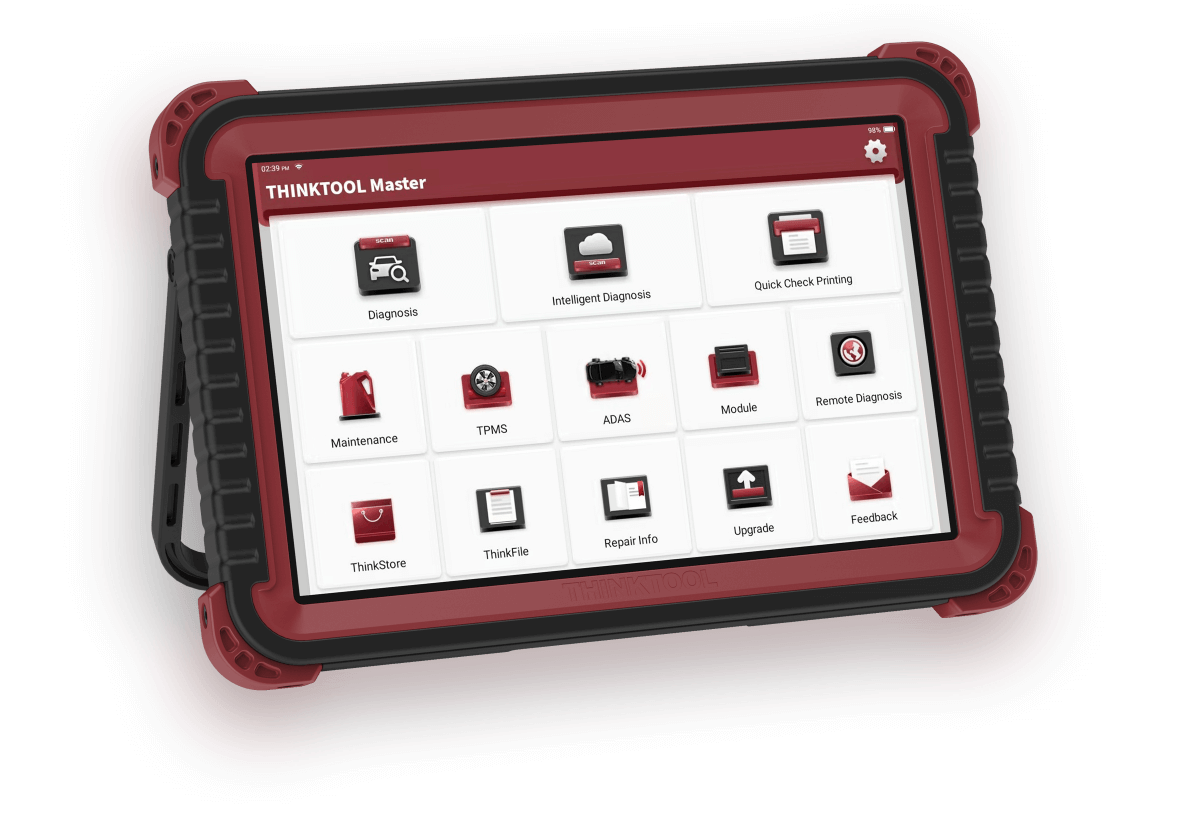
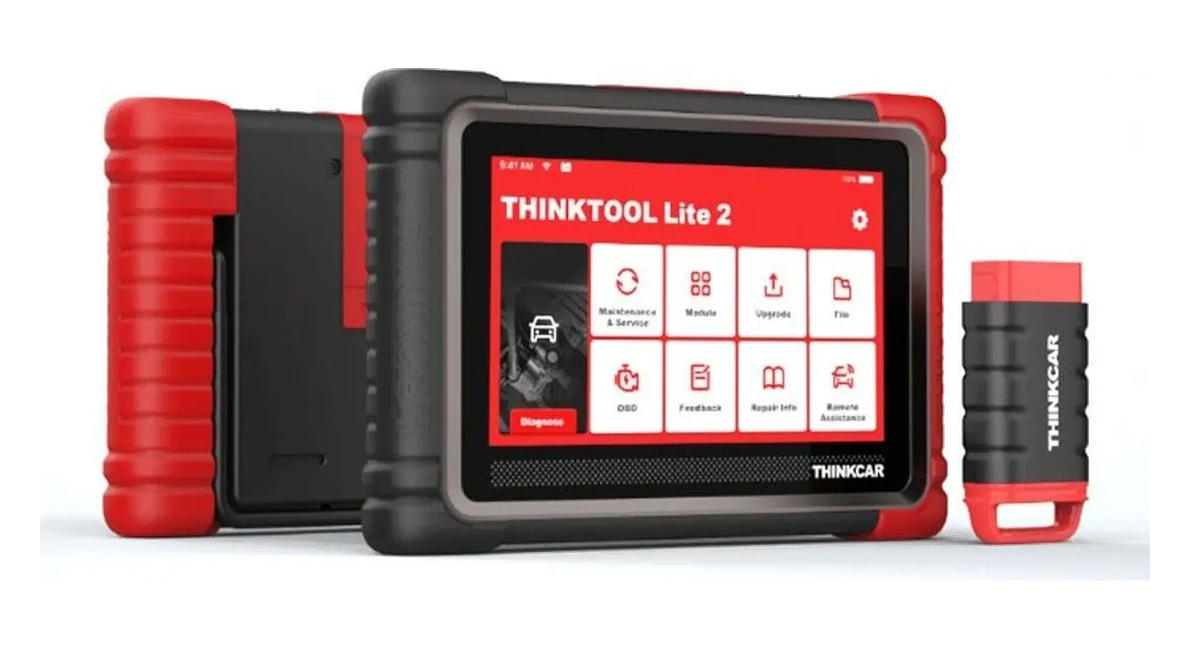
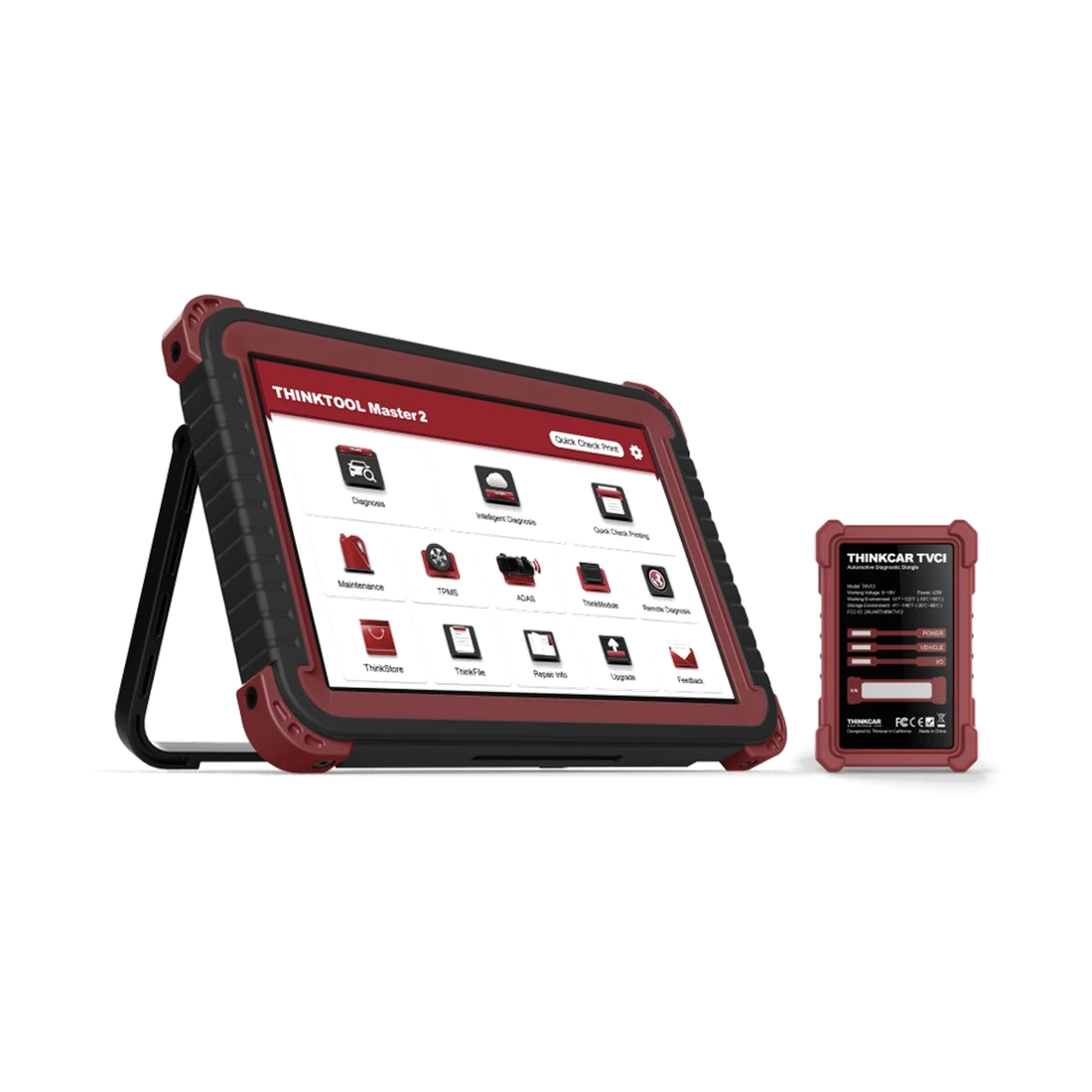
The package contents should be clearly stated: main tablet, VCI model, CAN FD adapter, DoIP cable, heavy-duty vehicle cables, and software licenses. Different sellers may offer the same product title with different packages. Price comparisons are made based on the same hardware and license coverage.
Visual summaryPurchase evidence for new generation devices
01
VCI technical dataProtocol hardware support
02
Vehicle CoverageMake, model, year, and ECU
03
Software periodUpdate and license terms
04
Operation levelScan, coding, or programming
Before the marketing logo, the product's current technical documentation and the function log on the examined vehicle should be read.
Decision guide
What evidence should you look for on the product page?
CAN FD and DoIP support should be clearly stated on the product page, the VCI model used should be shown, and ideally, it should be based on the manufacturer's technical resource. Statements like "Compatible with all new generation vehicles" are not reliable. Vehicle coverage, service functions, and online functions should be explained in separate sections.
CAN FD, DoIP, J2534, Bluetooth connection, active test, and coding are different capabilities. The presence of one does not imply support for the others. The VCI shown in the product image must be the same as the VCI delivered.
The update period and subsequent usage conditions are also examined. The protocol may remain in the hardware, but new model coverage depends on software updates. When the included period ends, the operational status of the existing software, renewal fees, and regional limitations should be checked from the conditions of the purchased package.
In compatibility discussions, clearly state the intended task: full scan on a specific vehicle, active test, online coding, or ECU programming? The question "Does it have DoIP?" only answers the communication layer. For correct purchasing, ask about the vehicle and the task together.
Decision guide
Common misconceptions about CAN FD and DoIP
"If DoIP is present, the device will not work without internet" is a false generalization; DoIP describes IP-based communication with the vehicle, while online licenses or cloud services are separate issues. The statement "CAN FD has replaced classic CAN everywhere" is also not true; multiple network types can exist in the same vehicle. The inference "if the protocol is present, all coding is unlocked" ignores the security and software layers.
When protocols are turned into badges for feature races, users may forget their actual tasks. The real question for the service is which control unit in the vehicle can be accessed with which operation. The answer is provided by the manufacturer's current function list, device version, and on-vehicle verification.
An older device can connect to CAN FD with an external adapter; however, its software and processing capacity may be limited for new vehicle scanning. A new device with built-in CAN FD may not eliminate the need for all special adapters. The package and vehicle architecture should be checked together.
Understanding new technology correctly prevents both unnecessary upgrades to higher classes and the purchase of inadequate devices. Your service's vehicle distribution and revenue-generating operations should determine the protocol investment. You buy the job to be completed, not the technical term.
Decision guide
Pre-purchase checklist
Before purchasing a device, list at least five vehicles that frequently visit your service and five tasks to be performed on these vehicles. For each vehicle, separately verify the CAN FD or DoIP requirement, VCI and adapter package, full system scan, live data, active test, coding/programming coverage, and security access. Add software update and online service costs to the total budget.
The manufacturer's catalog and the current vehicle and function list are primary evidence. Seller screenshots or demos can be useful; however, a menu that opens on another model does not guarantee it will work for your vehicle. Be more cautious with used products where the serial number and region information are not specified.
Upon delivery, check the VCI model, cables, adapters, and license duration. After the initial setup, perform a general scan and report on one of the frequently visited vehicles; verify a supported service function under safe conditions. If there are issues, open a record before the return or support period expires.
In summary, CAN FD and DoIP are important future-proof hardware features; however, selecting the right device is not completed by the protocol logo. The device can be used regularly when vehicle coverage, software, security, package, and the tasks to be performed in the service align.
Frequently Asked Questions
Most frequently asked questions by customers
Are CAN FD and DoIP the same thing?
No. CAN FD is extended data communication on CAN-based vehicle networks. DoIP transmits diagnostic messages over IP and Ethernet.
Does a DoIP-enabled device program all new vehicles?
No. Programming also requires vehicle software coverage, security access, OEM account, license, appropriate power supply, and model-specific procedures.
Is a separate adapter required for CAN FD?
It depends on the device's VCI design. Some VCIs have built-in support, while others require an adapter specified by the manufacturer.
Does DoIP mean internet connection?
DoIP is IP-based diagnostic communication with the vehicle. Using the internet for licenses, cloud, or OEM accounts may be a separate requirement.
What information should be sent when selecting a device for new vehicles?
Vehicle make, model, year, engine or system, and the task to be performed should be shared. Full scan, active test, coding, and programming coverage should be checked separately.