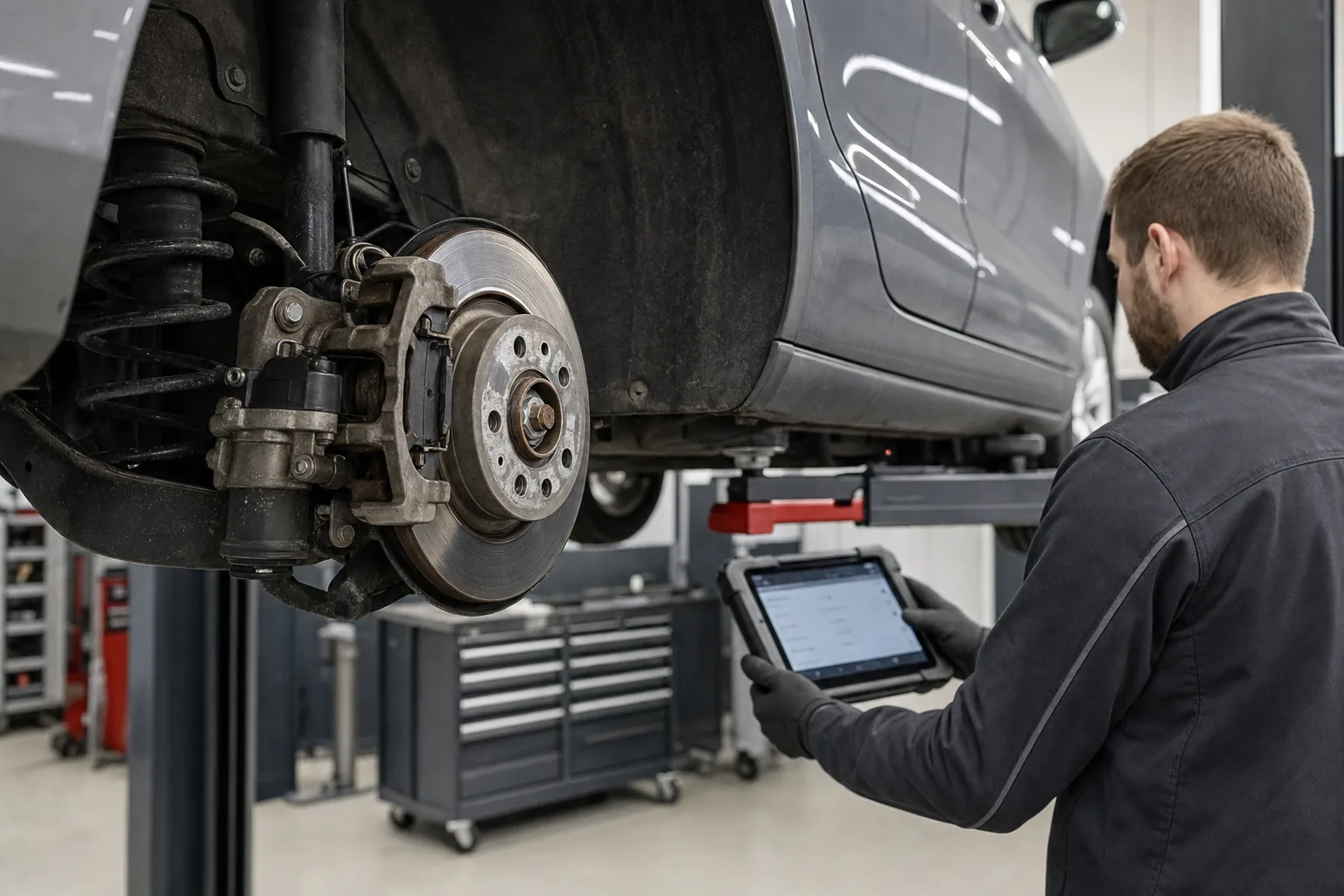
Electronic parking brake service mode: Why is a device needed for EPB pad replacement?
For vehicles with electronic parking brake, rear brake pad replacement is not the same procedure as a vehicle with a mechanical handbrake. In some systems, the electric motor on the caliper is moved to service mode with a diagnostic device; in others, a different mechanical structure and manufacturer procedure are applied. EPB service mode is a service function used to safely release the brake and complete basic setting after the operation. Accessing the menu alone is not sufficient: the vehicle must be secured, the system type identified, low voltage risks managed, and the result verified with a brake test.
How does the EPB system work and why isn't it standardized?
The EPB applies the parking brake with an electric actuator and control unit instead of the driver's lever force. In one common design, an electric motor directly actuates the mechanism in the rear brake caliper. In another design, a central actuator pulls the parking brake via cables. As the design varies according to the vehicle manufacturer, model, and platform, the requirement and implementation method of the service mode also differ.
HELLA's technical description shows that in the Audi A8 example, the electric motor directly affects the caliper mechanism, while in the BMW 7 Series example, a central actuator moves the cables. This difference clearly shows that a single 'remove the motor and turn the piston' method seen online cannot be applied to all vehicles.
The EPB does not just keep the vehicle parked. Depending on the system design, it can communicate with ABS/ESP and engine control for functions such as hill start assist, auto hold, emergency braking behavior, or pad wear strategy. Therefore, a fault may originate from a caliper motor, or it may be related to voltage, switch, sensor, cable, control unit, or network communication.
The service technician first verifies the vehicle identification and the EPB system variant. The presence of a motor on the caliper does not explain every procedure; the internal mechanical structure and basic setting requirements can vary. The vehicle manufacturer's current service information is used for the correct part, tightening torque, and diagnostic steps.
Visual summarySequence of operations for EPB brake pad replacement
01
Pre-scanCode, voltage, and system type
02
Service modeMoving the actuator to the appropriate position
03
Mechanical servicePad, disc, and caliper check
04
DeactivationBasic setting and brake verification
Service mode does not replace mechanical work; caliper and pad work is completed according to the manufacturer's method.
Decision guide
What does EPB service mode do?
Service mode, on supported vehicles, positions the EPB actuator for brake pad or caliper work. The goal is to create the necessary space for piston movement without straining the motor and mechanical gear structure. After the procedure, the system is returned to its operating position, and if necessary, basic setting or adaptation is performed. The name of the device menu may vary as 'pad replacement', 'brake open-close', or 'EPB maintenance mode'.
When service mode is activated, the parking brake may no longer guarantee the vehicle's immobilization. The vehicle is secured on a level surface, on a safe lifting device, and with wheel chocks. Placing the gear in 'P' position alone is not accepted as service safety. Entry by others into the work area to operate the ignition or EPB button is prevented.
On some vehicles, the device requires specific conditions on the screen: ignition status, brake pedal application, parking brake release, or sufficient battery voltage. Instructions are followed sequentially. The same button sequence is not generalized just because the menu works on another model; the vehicle-specific explanation provided by the software is the basis.
Service mode does not eliminate mechanical faults. If the actuator is stuck, the caliper mechanism is corroded, the cable is damaged, or the voltage is insufficient, the command may not be completed. Hearing the motor sound also does not solely prove that the caliper has moved to the correct position. Live data, fault codes, and physical inspection are used together.
Moves the actuator to service position
Creates space for disassembly
Supports post-operation basic setting
Does not repair mechanical faults
Decision guide
Safety checks before brake pad replacement
As the brake system is critical for safety, the procedure is carried out only by personnel with appropriate training and equipment. Before lifting the vehicle, customer complaints, warning lights, and parking brake behavior are recorded. A general scan is performed; codes related to EPB, ABS/ESP, and energy management are saved without deletion. Brake fluid level, visible leaks, and cable and caliper condition are checked.
Battery voltage is important for the reliable operation of the EPB motor. Low voltage can cause the motor to stop midway or the control unit to record communication errors. If a suitable power support device is required, the vehicle manufacturer's connection point and voltage instructions are followed. Uncontrolled support with a simple charger is not provided.
The vehicle is securely immobilized, and lifting points are verified. Since the parking brake will be put into service mode, mechanical holding may be lost. Wheel chocks, lifting platform locks, and work area checks are completed. The team is informed that the EPB button should not be touched after service mode is activated.
Part selection is verified with the chassis number and brake system variant. Pad size, wear sensor, disc condition, and caliper equipment are inspected. If the operation is interrupted due to an incorrect part, the actuator may remain in the open position for a long time; therefore, parts must be ready before disassembly.
Visual summaryEPB system designs are not the same
01
Caliper motor typeThe actuator is located directly on the rear caliper.
02
Cable-actuated typeA central motor controls the cables.
03
Special procedureMechanical and software steps may be combined.
Even if the appearance is similar, the retraction and basic setting method may vary depending on the vehicle design.
Decision guide
Correct service flow with diagnostic tool
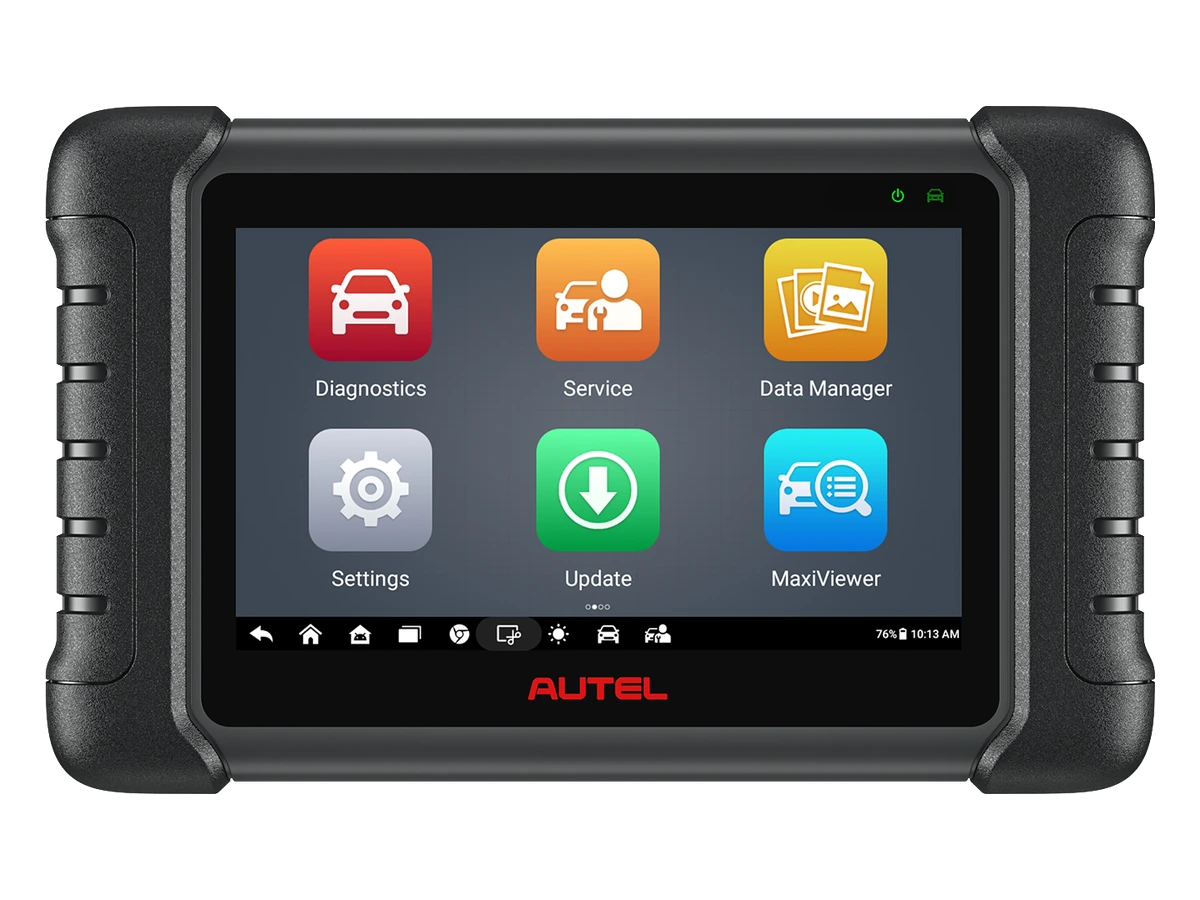
After connecting the device to the vehicle, the VIN information is manually verified, the full system scan is recorded, and the EPB control unit is accessed. The service or brake pad replacement function is selected. The on-screen pre-conditions are met, and the actuator's movement to the service position is monitored. Mechanical work is not started until the software clearly indicates completion.
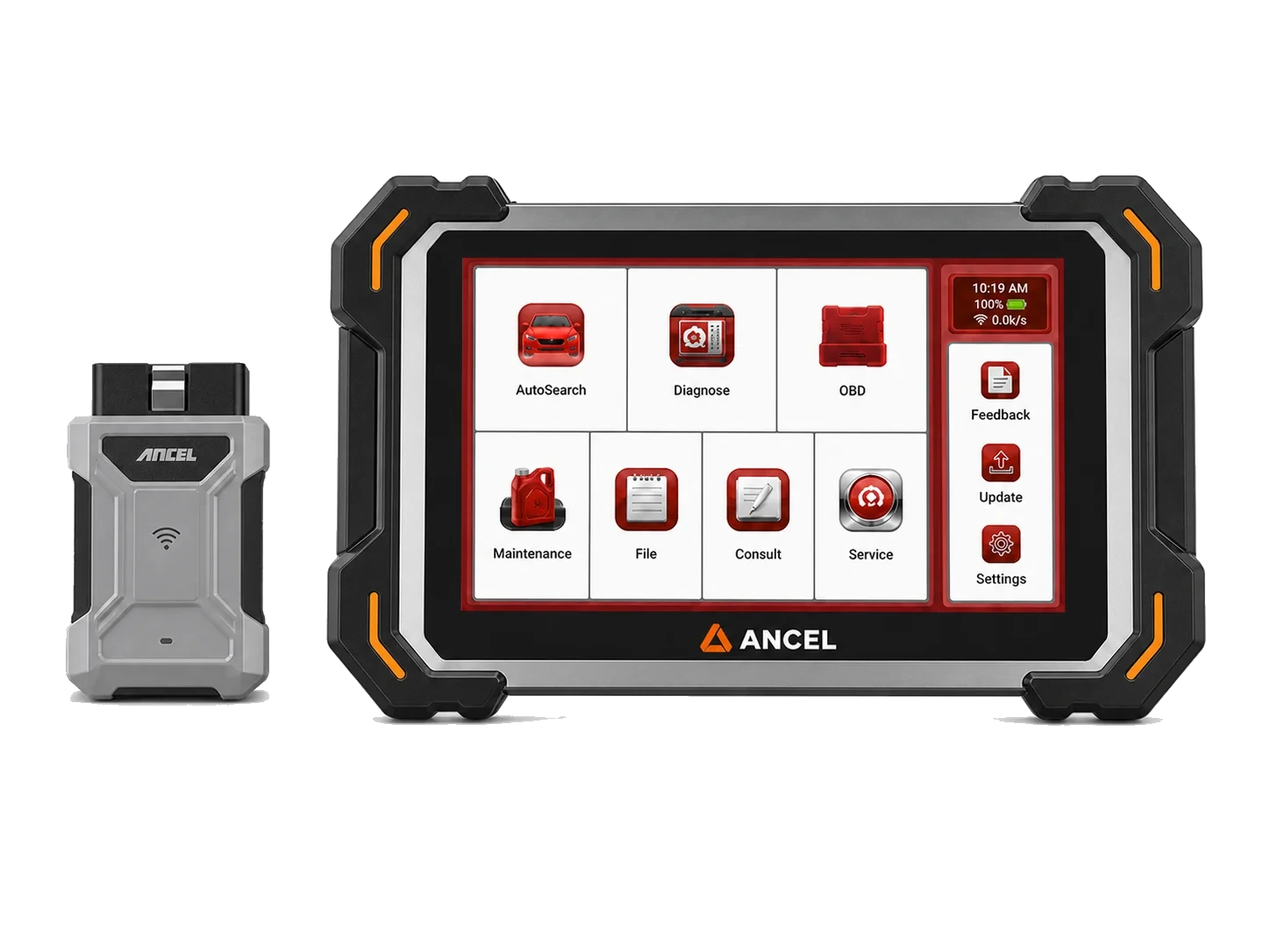
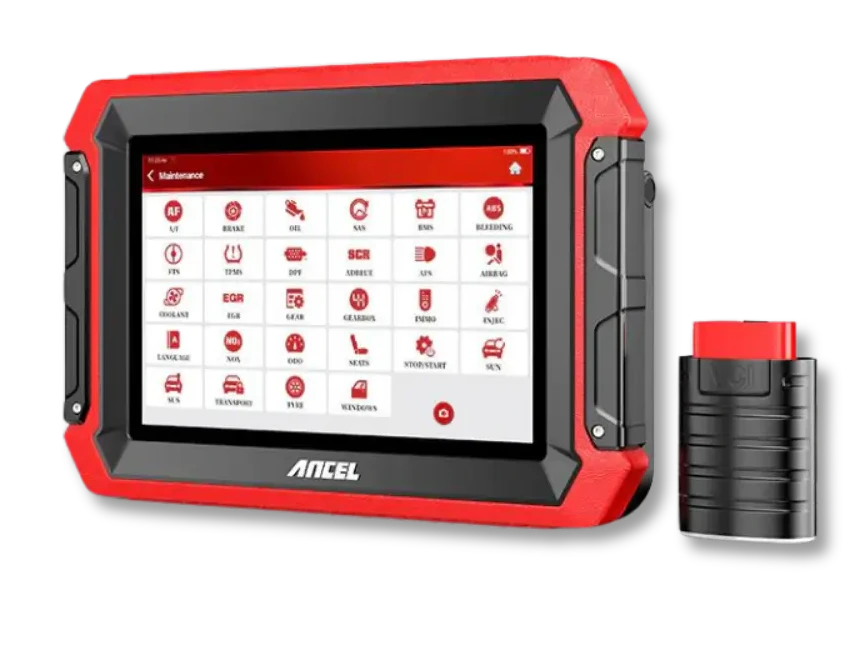
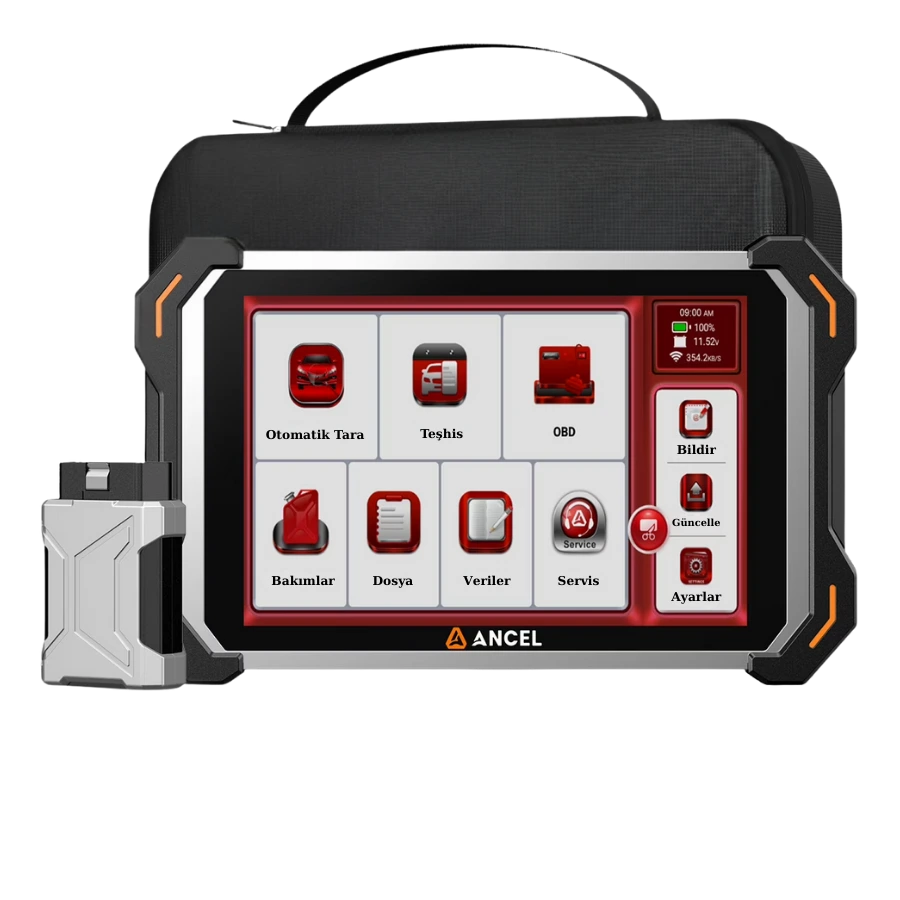
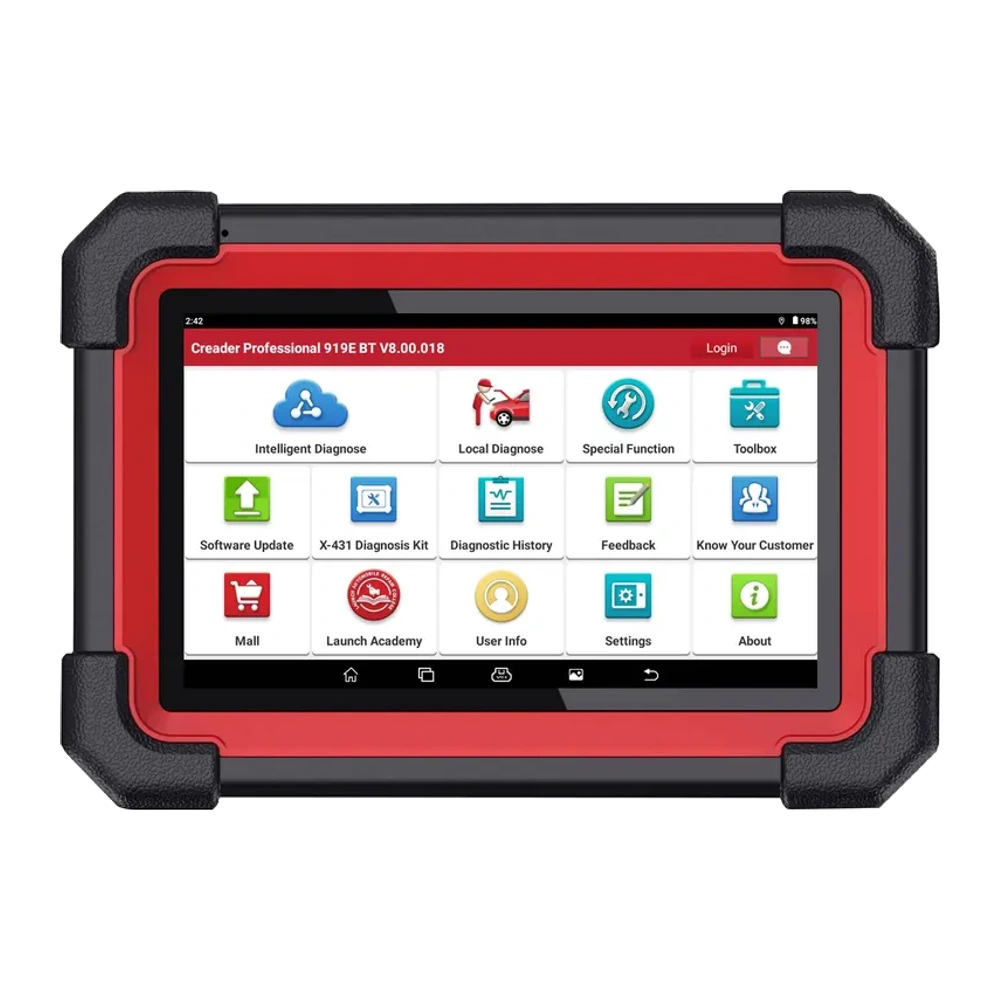
In workshops using Bluetooth VCI, wireless movement around the vehicle is convenient; however, the power status of the VCI and tablet must be checked. If the connection is lost, the motor's position is not assumed. The session is re-established, and fault codes and function status are read. Random reverse commands are not sent.
The device menu may offer separate operation for the right and left sides. Which side is being serviced is clearly indicated. The sound from the caliper motor, command duration, and device feedback are compared. If one side behaves differently, mechanical binding, cable, or motor malfunction is investigated.
After the service mode is successfully activated, the session is maintained or the ignition is turned off as specified by the device manufacturer and vehicle manufacturer. This decision is not universal. A photo of the tablet screen instructions or a service report increases traceability, especially for fleet and high-volume workshops.
Decision guide
Problems the device cannot solve during mechanical work
Although the EPB function moves the actuator, it does not evaluate the condition of mechanical parts such as caliper slides, piston, boot, cable, and disc. Irregular pad wear, slide binding, or damage to the piston surface requires physical inspection. Installing new pads does not eliminate these mechanical problems.
After the piston is moved to the service position, the retraction or rotation method specified by the manufacturer is applied. Forcing it with an unsuitable tool can damage the motor gear, caliper, or seals. Vehicle-specific repair instructions should be used instead of model-independent videos found online.
If wear is significantly different on both sides, not only the pads are replaced; slide, piston movement, brake hose, and EPB application balance are inspected. Disc thickness and surface are measured. Mechanical findings are recorded in the service report, as the device's 'no fault' result does not prove the physical health of the brake hardware.
If the caliper motor needs to be mechanically removed, it should be checked whether this is included in the vehicle procedure. Motor seal, gear position, and assembly torque can be critical. Forcing open a vehicle that does not enter service mode by removing the motor does not replace the correct diagnostic and repair path.
Visual summaryConditions that may prevent service mode
Technical signals
01
System voltageLow supply affects actuator and communication.
02
Active faultMotor or circuit fault can stop the procedure.
03
Vehicle conditionIgnition, gear, and pedal conditions are important.
04
Mechanical resistanceBinding is not forced by software.
When the operation is rejected, the missing pre-condition is found instead of repeating the command.
Decision guide
Deactivation, basic setting, and adaptation
After mechanical assembly is completed and all connections are checked, the service mode is deactivated via the device. The actuator is moved to the operating position, and if the software requests it, basic setting or pad adaptation is performed. It is important to prepare the brake pedal according to the manufacturer's instructions and to have the correct fluid level. After the success message, the system is scanned again.
In HELLA's Audi example, the caliper is retracted with a diagnostic tool; after pad replacement, it is moved again by the pads, and the new pad thickness is entered in the adaptation function. This example does not provide the same numbers or screens for all vehicles, but it shows that the service procedure does not end with the release command.
If the actuator makes an unexpected noise during initial closure or one side does not complete, the command is not repeated or forced. Assembly, part position, and connection are re-checked. If there is low voltage or a communication issue, the power supply and VCI status are evaluated. The fault code description is matched with technical documentation.
Some vehicles may complete basic setting automatically or through specific parking brake application cycles. Others require an explicit procedure via the device. Which method is valid depends on the vehicle model. Publishing a specific brand's method, such as 'pull and release three times', as a general recommendation is not safe.
Decision guide
Fault code, live data, and active test in EPB malfunction
If there is an EPB warning, systematic diagnosis is required. First, the mechanical effect of the brake and visible components are checked, then the fault codes of the EPB and related control units are read. Live data can provide parameters such as switch status, actuator command, motor current, side position, or voltage. Depending on the device's scope, components can be operated in a controlled manner with active tests.
If the control unit does not receive input when the button is pressed, the button or electrical circuit may be considered. If there is a command but no motor movement, voltage, cable, actuator, and mechanical binding are tested separately. Abnormal motor current can provide clues about mechanical load; however, the threshold to be used is obtained from manufacturer data.
Even if a fault code points to a component like 'left parking brake motor', the part is not ordered directly. Cable, connector, supply, ground, and mechanical movement are checked. HELLA specifically emphasizes the role of visual inspection and the brake test stand in diagnostics. Electronic codes do not replace physical inspection.
Active tests may cause wheel or actuator movement while the vehicle is lifted. Personnel and equipment safety are ensured before the test. Interventions on the brake system are performed only by trained personnel; possessing a device menu does not replace professional competence.
Visual summaryBrake delivery check
01
Basic settingThe system is taken out of service mode.
02
Code checkNew or persistent faults are searched for.
03
Pedal and levelBrake feel and fluid level are checked.
04
Function testEPB application and release behavior is tested.
Electronic and mechanical results are verified together before the vehicle is lowered from the lift.
Decision guide
Brake test and delivery check after service
The EPB service is not considered complete until the actual effect of the brake system is verified. Pedal feel, hydraulic level, warning lights, and the parking brake's application-release behavior are checked. The vehicle manufacturer's method is used for low-speed testing and, if possible, a brake test stand. New or returning codes are examined in the final scan.
The effect of the right and left sides can be compared on the brake test stand. The test mode or implementation method may vary from vehicle to vehicle; HELLA examples describe different manufacturers exhibiting different test behaviors. Expecting gradual force like a standard parking brake lever may not be possible with some EPB systems.
In a short test drive, Auto Hold, hill assist, or dashboard messages are observed; however, aggressive braking on unsafe roads is not attempted. The bedding-in period for the pads against the discs and customer usage information is determined according to the parts manufacturer's instructions. The test result is recorded in the work order.
The customer is informed about which parts were replaced, that the EPB service mode and basic setting were completed, and that the brake test was performed. No promises like 'calibration done, the brake will never have problems again' are made. Related mechanical or electrical findings are clearly shared.
Decision guide
Real questions to ask when choosing a device for EPB work
When selecting a device, do not just look at the 'EPB' badge on the feature list. For vehicles in service, the ability to activate and deactivate service mode, perform basic setting, read fault codes, view live data, and conduct active tests must be verified individually. Model-year and control unit differences are considered. The list of brands the service works with is compared against the manufacturer's current function list.
A basic OBD reader is usually limited to the engine emission system and may not access the EPB control unit. A service tablet may offer multi-system scanning and EPB maintenance functions. Professional devices can provide more detailed live data, topology, or guided tests. The price difference is read along with the actual workflow.
The device's update model, VCI connection, battery life, and reporting capability are important in a busy service. Connection stability and power support during EPB operations can provide a more tangible operational advantage than the number of functions in the catalog. Check if the appropriate adapters and power equipment are included in the package.
When selecting an EPB device, the vehicle make, model, year, and the intended service are recorded. The required functions are defined as activating and deactivating service mode for rear brakes, reading fault codes, and monitoring relevant live data. The device's scope is matched with the manufacturer's current vehicle and function list.
Decision guide
Final checklist to avoid incorrect practices
Applying random voltage externally to the EPB motor, forcing the piston without proper service mode, copying another model's procedure, and lifting the vehicle relying solely on the parking lock carry serious risks. Starting the operation with low voltage, proceeding to disassembly without seeing the success message, or skipping basic setting after assembly are also common mistakes.
The correct flow is: identifying the vehicle and system variant, recording the initial scan, ensuring mechanical safety, activating service mode with sufficient voltage, performing pad work according to the manufacturer's method, deactivating the system and performing basic setting, and then testing the brake effect. A record of each step is kept.
This guide is not a workshop manual for a specific vehicle model. The brake caliper design, service menu, torques, and test procedure are taken from the manufacturer's documentation. The guide explains the device class required for EPB work, mechanical checks, and the safe service sequence.
For the final purchase decision, list the vehicles in your service and verify coverage on five sample vehicles. Separately check the lines for EPB service mode, code reading, live data, active test, and basic setting. This way, you choose a device that can be used in your daily work instead of a general marketing statement.
Frequently Asked Questions
Most frequently asked questions by customers
Can rear brake pads be changed without EPB service mode?
Some systems may have different mechanical procedures; however, many direct motor-driven calipers require a diagnostic service mode. Forcing the piston without referring to the vehicle manufacturer's method is incorrect.
Does every device with an EPB menu work on every vehicle?
No. The function depends on the vehicle make, model, year, control unit, and device software. The scope of opening, closing, and basic adjustment must be verified separately.
Does hearing the motor sound in an EPB fault indicate the system is sound?
No. Even if the motor operates, there can be issues with the gears, caliper, cable, or mechanical movement. Fault codes, live data, and physical brake inspection are performed together.
Is calibration required after changing brake pads?
Some vehicles require basic adjustment or adaptation, while others use a different learning procedure. The service instructions specific to the model must be followed.
Why should EPB operations not be performed at low voltage?
The actuator motor draws current during movement. Insufficient voltage can interrupt the operation, cause communication errors, or make the motor's position uncertain.