Decision guide
First, classify the vehicle's panels
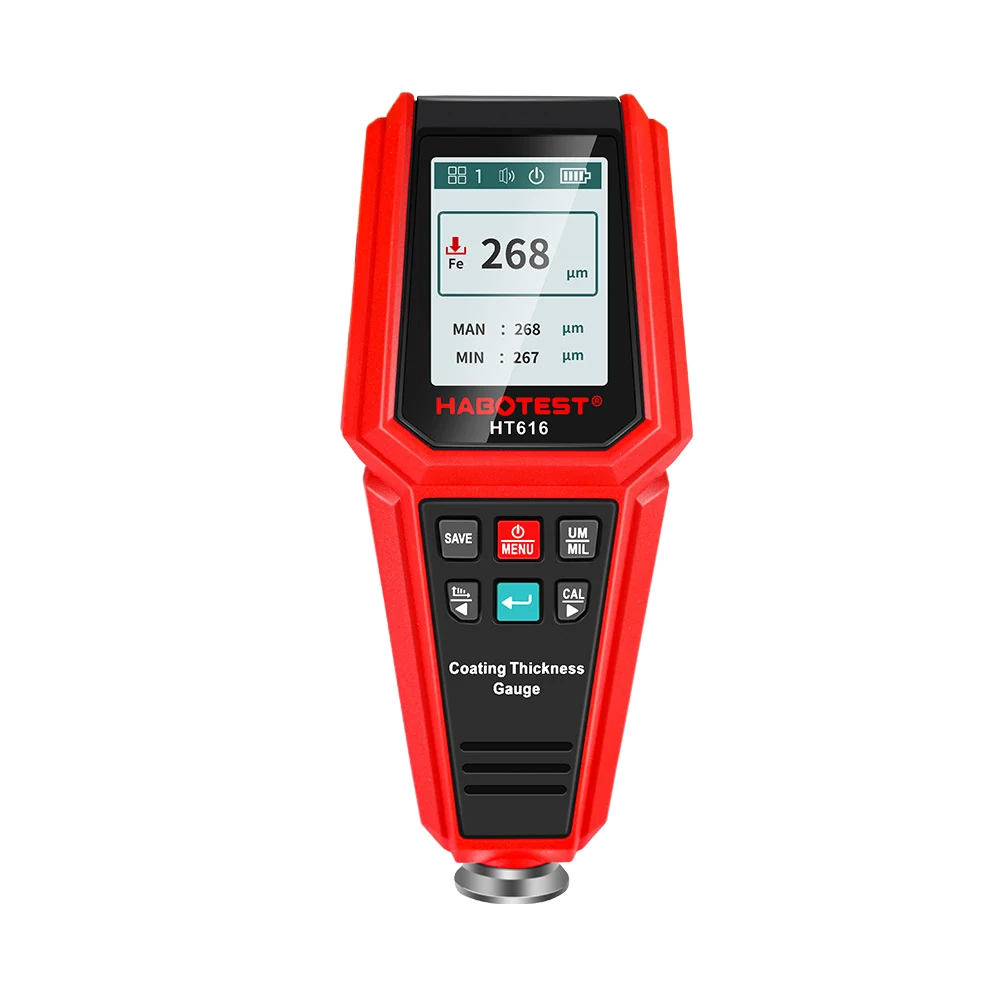
Do not evaluate steel and aluminum parts as the same surface type. Note the hood, roof, door, fender, and trunk lid with their position on the vehicle; NFe measurement is used for aluminum parts, and Fe measurement is used for steel parts.
- Panel name
- Surface type
- Measurement point
- Visibly apparent physical finding
Decision guide
Symmetric panels are more valuable for comparison
Comparison of the left front fender with the right front fender, front and rear door, or adjacent panel can be more revealing than a single absolute threshold. Take repeated measurements from clean and flat areas close to the same spot.
- Left-right comparison
- Adjacent panel check
- Repeated measurement
Decision guide
What can high value mean?
A high measurement may be related to repaint, thick clear coat, putty repair, or surface geometry. The measuring device does not differentiate these possibilities. Panel edge, paint transition, waves, sanding marks, bolts, and inner door connections are also observed.
- Measurement difference
- Surface wave and paint transition
- Disassembly connection
- Bodywork expert evaluation
Decision guide
How to write the report?
Instead of a single-word note like 'Repainted,' write the measurement range and physical observation. For example, the panel name, Fe/NFe, the minimum-maximum value of five measurements, and the observed joint mark can be kept in the same record. This method also shows the buyer the limits of the measurement.
- Panel and surface type
- Minimum-maximum
- Number of measurements
- Physical observation
- Decision note
Frequently Asked Questions
Most frequently asked questions by customers
What paint thickness in microns indicates a painted vehicle?
A single micron threshold is not a reliable decision rule for all vehicles. The vehicle, panel, manufacturing method, and measurement conditions vary; comparative measurement and physical inspection are required.
Does the paint meter show putty?
A difference in thickness can suggest putty or repair suspicion; the device does not classify the material as paint or putty on its own.
Technical Resources
Sources for technical information
Technical information checked with sources on 2026-10-06.