Decision guide
Do not generalize the symptom as 'transmission fault'
Clunking, slipping, delay, revving up, or limp mode are distinct symptoms. It is recorded in which gear shift, whether the engine is cold or hot, under light throttle or load.
If the problem started after maintenance, battery replacement, software update, or oil leak, it is added to the timeline. Road incline and driving mode can also affect recurrence.
If possible, the driver's description is supported by a short video, screen message, and scan report. Driving shots that compromise safety are not taken.
Decision guide
Why are the engine and transmission scanned together?
The transmission makes its shifting decision based on engine torque, throttle demand, speed, and other vehicle data. Engine-side air, ignition, or torque management issues can be felt as gear shifts.
The timing of engine and transmission records is compared. If there are communication or low voltage records, a common cause is investigated.
A single generic P code may not explain all Mercedes-specific transmission data. Access to the relevant control unit in supported vehicles is required separately.
Decision guide
Why are oil level and leaks a professional check?
Transmission oil level and temperature are evaluated using a specific procedure. Incorrect oil, incorrect level, or inappropriate measurement temperature can lead to incorrect conclusions and damage. Leaks observed under the vehicle must be traced to their source before proceeding.
Oil color or smell alone is not a repair decision. Maintenance history, leaks, fault records, pressure, and mechanical condition are examined together.
This check requires safe workshop equipment and qualified personnel due to hot parts, lifts, and moving driveline components.
Decision guide
How is the fault code recorded?
Before clearing codes, the engine and transmission control units are scanned. The code status, mileage, voltage, oil temperature, and occurrence condition are included in the report if possible. Communication, speed sensor, pressure, or ratio records do not all lead to the same diagnostic step.
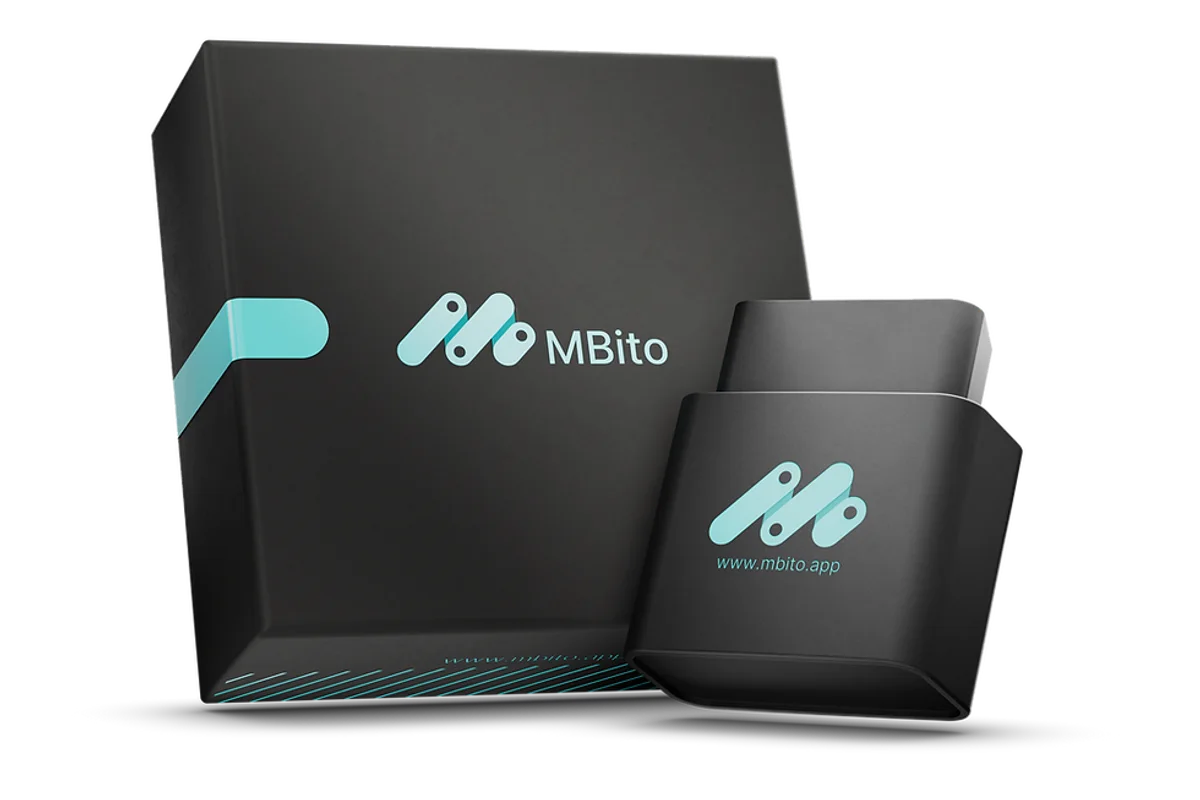
MBito OBD can help view diagnostic records on your phone in supported Mercedes vehicles. This record is not a decision for transmission overhaul or part replacement.
Even if the code description points to a part, the part is not ordered without measuring the connector, wiring, power supply, and mechanical causes.
Decision guide
What questions does live data narrow down?
In the supported system, input and output speed, selected-actual gear, temperature, and torque information can be compared with the time of the symptom. Live data shows when each value deviates, but it does not provide a definitive judgment without the manufacturer's limits and test procedures.
If a road test is required, driver and technician roles are separated; the driver does not operate the device. The test is conducted under legal and safe road conditions.
A record graph can be useful for intermittent issues. However, data access depends on the vehicle and the diagnostic system used.
Decision guide
Resetting adaptation is not the first solution
Adaptation values may include corrections made by the transmission to wear and operating conditions. Resetting values without addressing mechanical, hydraulic, or electrical faults can cause temporary changes in symptoms and loss of diagnostic information.
The adaptation procedure is performed only according to the manufacturer's procedure, with proper diagnosis and necessary driving learning steps. Generic online menu sequences do not apply to every transmission family.
Decision guide
Agility mode is not fault repair
MBito's official feature list defines the Agility driving program as a separate personalization in compatible 7G-Tronic 722.9 vehicles. This feature is a preference for the shifting map; it is not a service operation that repairs clunking, slipping, leaks, or limp mode.
In a vehicle with transmission symptoms, the fault diagnosis is completed first. A personalization option is considered only if it appears on the official list for the relevant vehicle and the system is healthy.
Decision guide
Preparation before going to the service center
Prepare the date the symptom started, maintenance history, at which gear and temperature it occurred, the on-screen message, and the initial scan report. If the vehicle enters limp mode, does not select a gear, or exhibits severe shaking, do not continue driving.
- Note cold and hot behavior separately
- Write down which gear shift it occurred during
- Mention oil leaks and recent maintenance history
- Save engine and transmission codes together
- Do not clear codes before repair
- Use a tow truck and qualified service if there is a safety risk
Frequently Asked Questions
Most frequently asked questions by customers
What causes clunking during Mercedes gear shifts?
There is no single cause. Voltage, engine torque information, oil and hydraulic status, sensors, wiring, adaptation, and mechanical wear are checked sequentially.
Does a fault code indicate that the transmission needs to be replaced?
No. The code indicates the relevant system and condition; overhaul or part decisions are made through measurements and manufacturer tests.
Does resetting the adaptation fix the clunking?
It is not applied as an initial solution before the fault is resolved. Incorrect resetting can lead to loss of diagnostic information and may require a learning procedure.
Does MBito detect transmission faults?
It can help view relevant diagnostic records in supported vehicles. Definitive diagnosis of the physical cause and repair decisions require professional measurement.
Does the Agility mode fix transmission problems?
No. It is a driving program personalization in compatible vehicles; it does not repair existing mechanical, hydraulic, or electronic faults.