Decision guide
1. Determine the device coverage correctly before testing
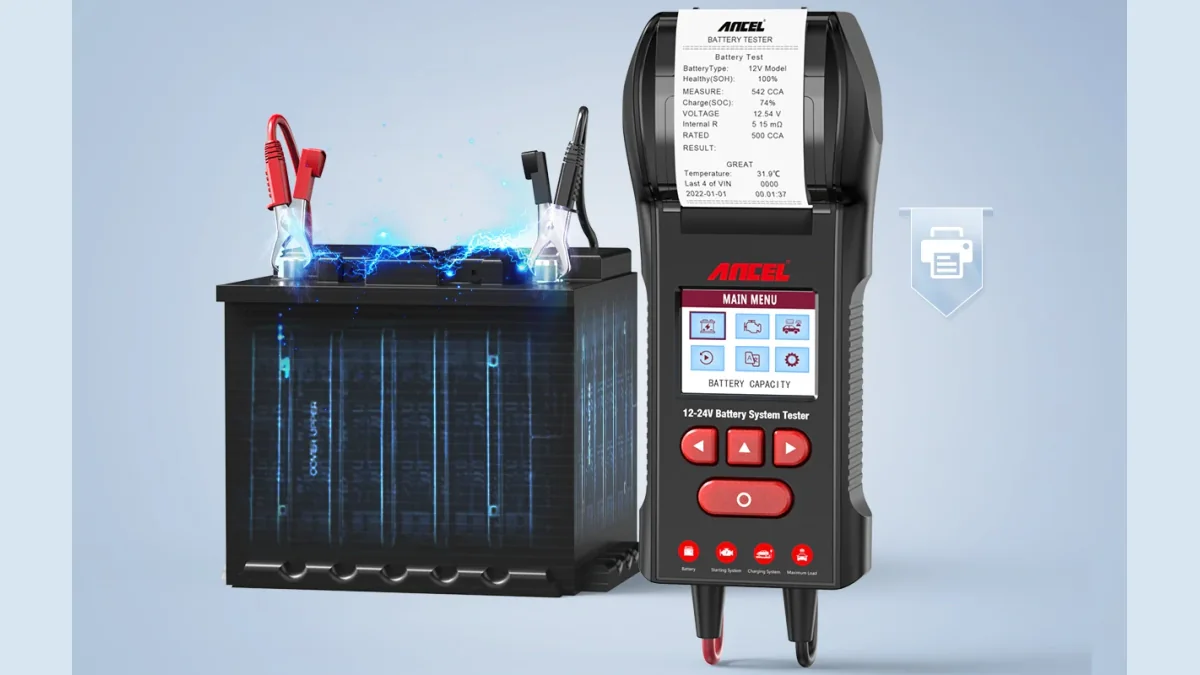
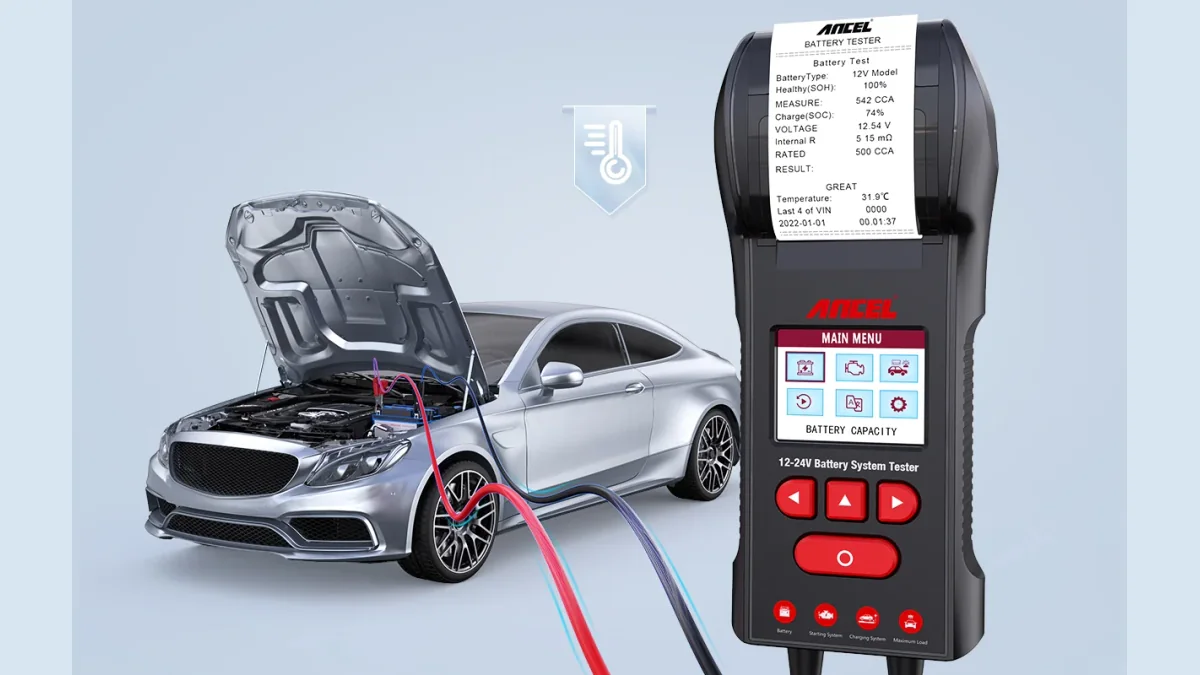
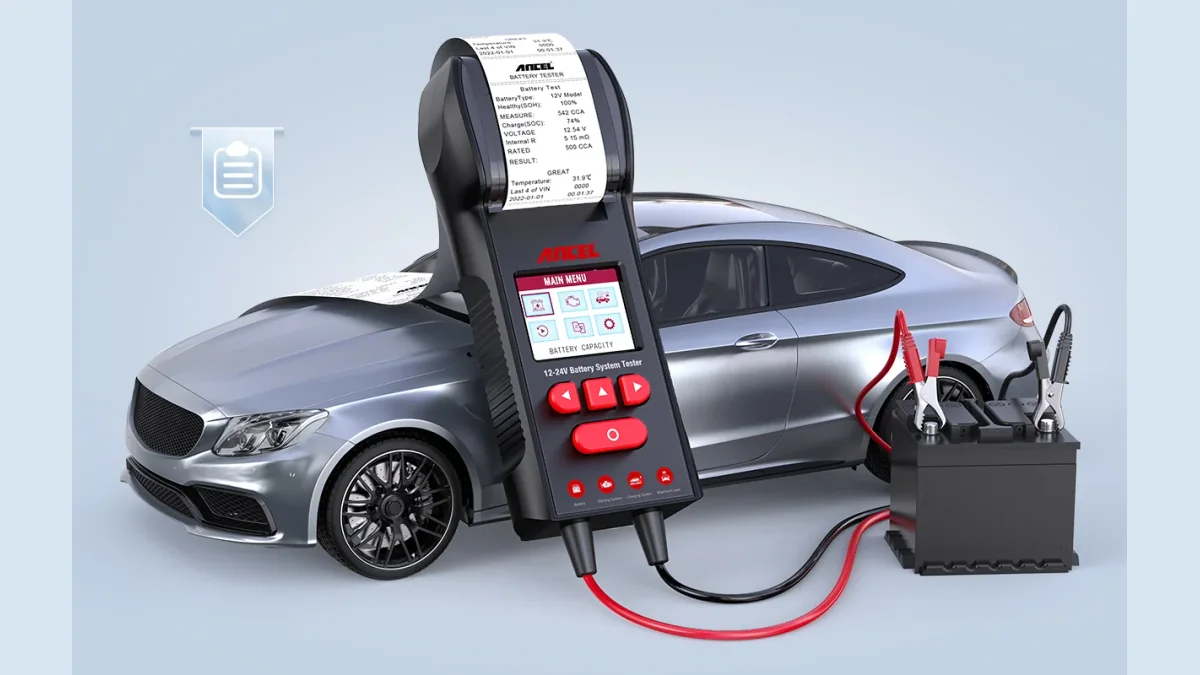
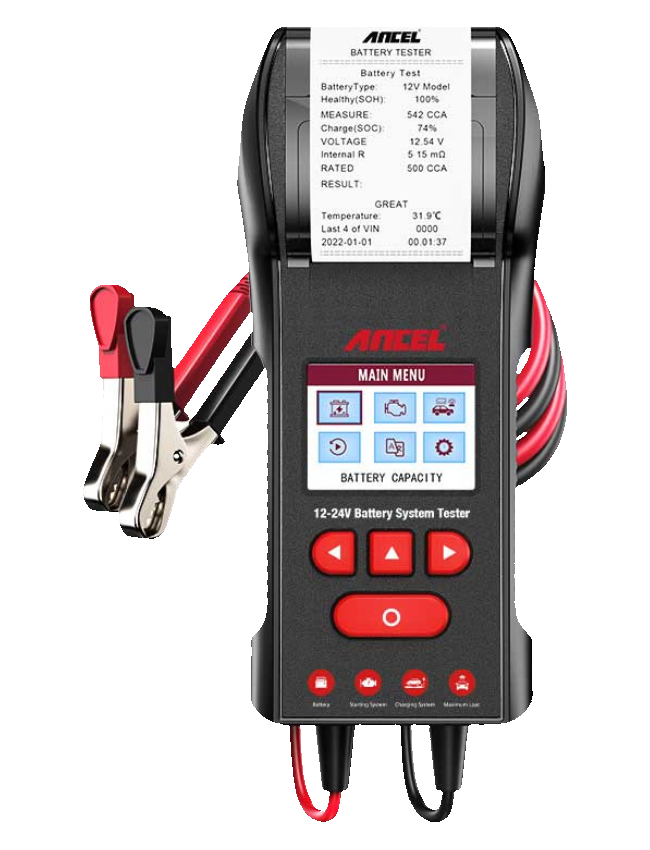
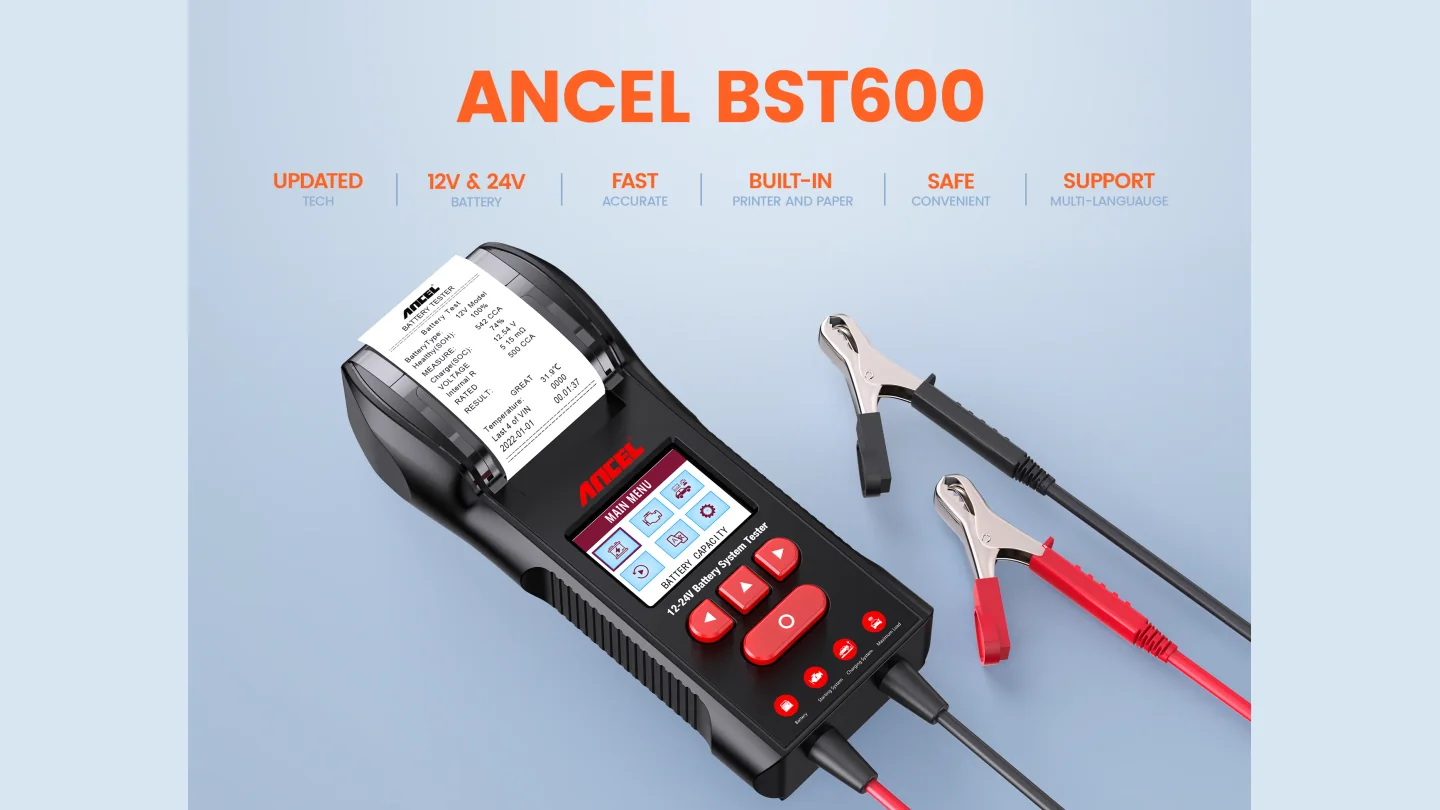
The BST600 is a battery and electrical system tester for lead-acid starter batteries. The manufacturer's manual specifies 12V and 24V systems, a DC 9-35V operating range, and Regular Flooded, AGM Flat Plate, AGM Spiral, GEL, and EFB battery options. Lithium battery support is not mentioned in official sources. The device does not read fault codes from the engine, ABS, or airbag control units; it also does not perform BMS battery registration or coding.
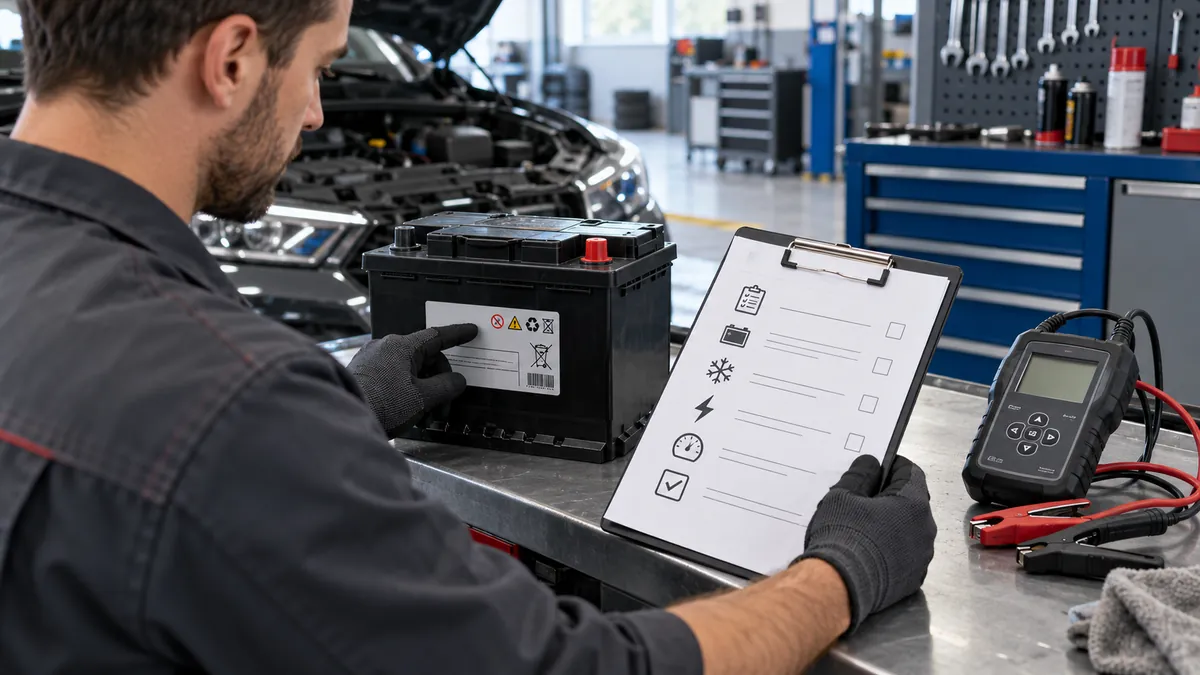
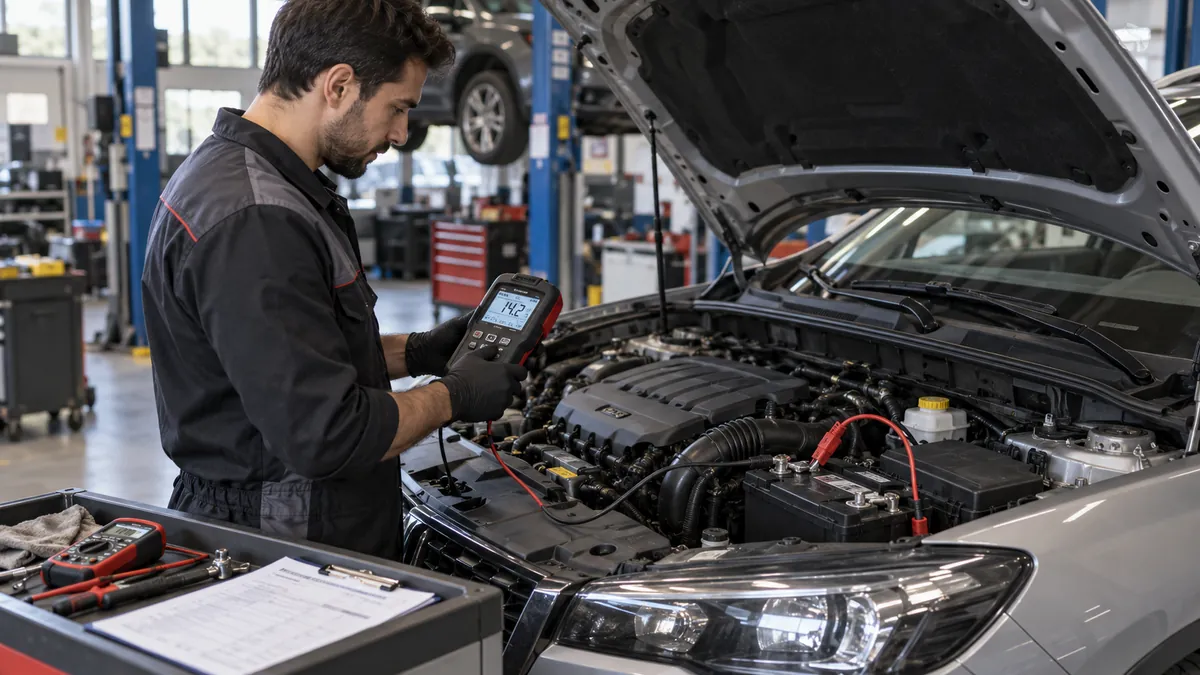
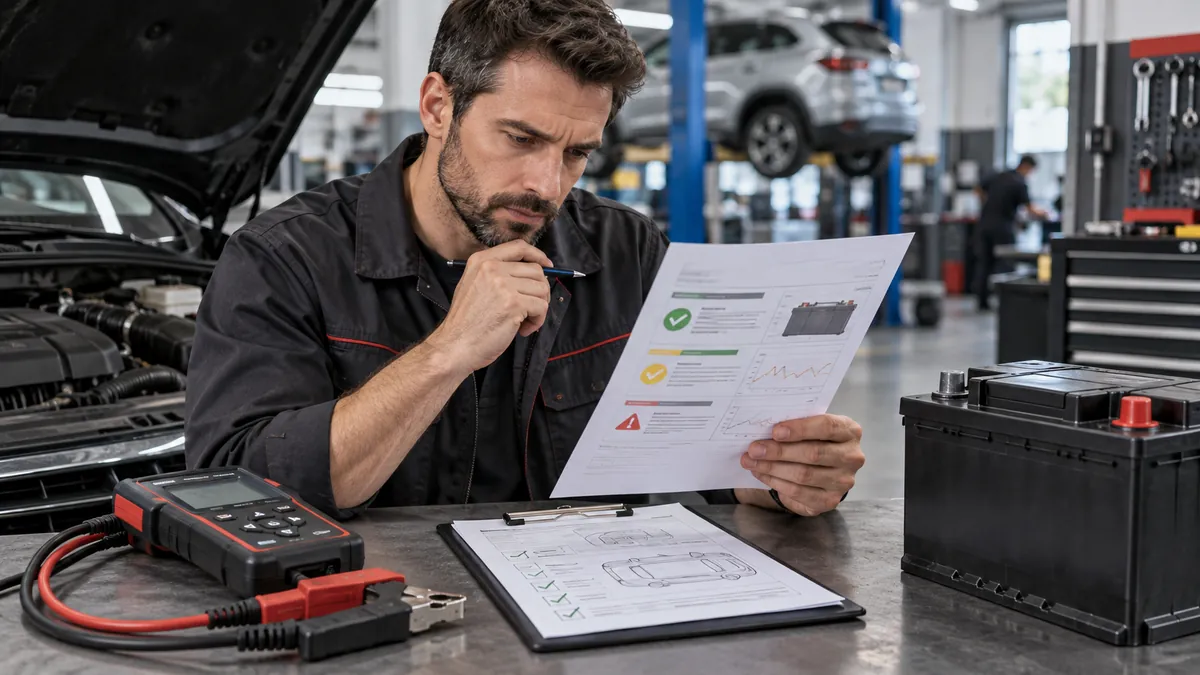
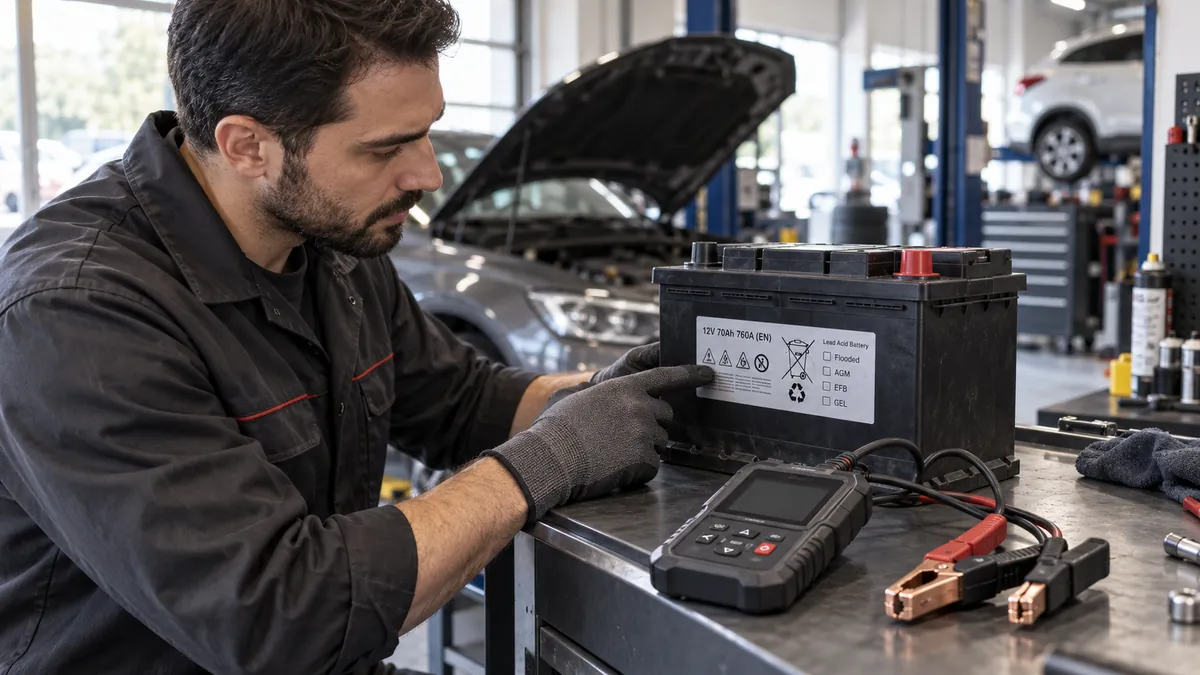
At vehicle acceptance, the complaint is first recorded: different complaints such as slow starting, battery light, frequent discharge, or post-new battery check are not reduced to the same test. The physical condition of the battery is inspected for cracks, leaks, loose terminals, and oxidation. Safety procedures are applied without connecting the device to a damaged battery or cable.
If the battery has been recently charged, the surface charge voltage may appear higher than normal. The manual recommends turning the headlights on and off for two to three minutes after a full charge to bring the voltage closer to normal, then performing the test. This step does not mean applying random load to every vehicle; vehicle manufacturer warnings take precedence.
- 12V/24V lead-acid starter battery
- DC 9-35V operating range
- No ECU fault code or BMS coding function
- Testing is not initiated on a damaged battery or cable