This product is currently out of stock and cannot be added to the cart. You can inquire about the new stock plan via WhatsApp.
Last recorded price: ≈ $1728,490 TL charged · VAT included · import duties excluded


Ancel · Service maintenance and measurement devices
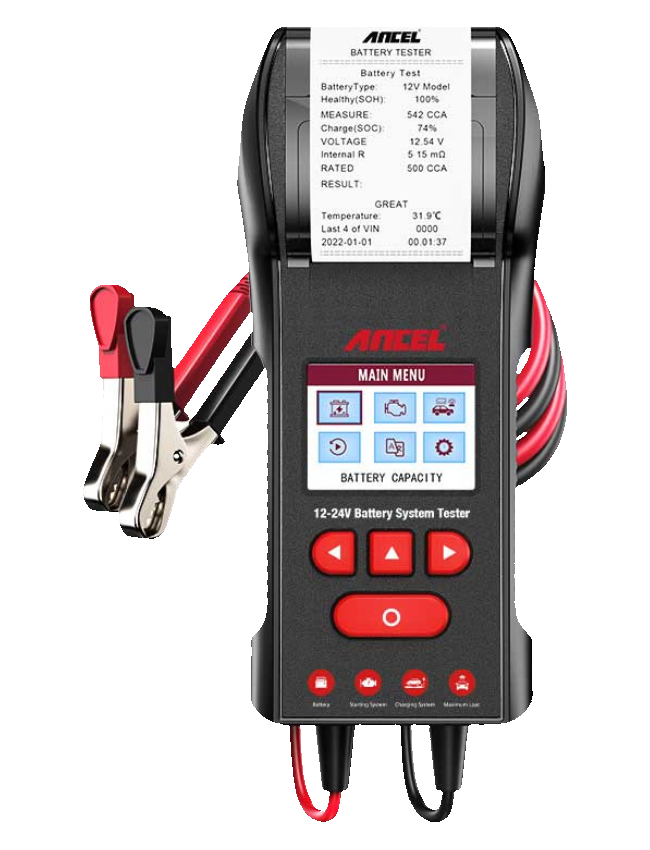
A service-type battery tester that checks battery status, starting, and charging systems in 12V and 24V lead-acid starter batteries, and provides results from its built-in thermal printer.
This product is currently out of stock and cannot be added to the cart. You can inquire about the new stock plan via WhatsApp.
Last recorded price: ≈ $1728,490 TL charged · VAT included · import duties excluded
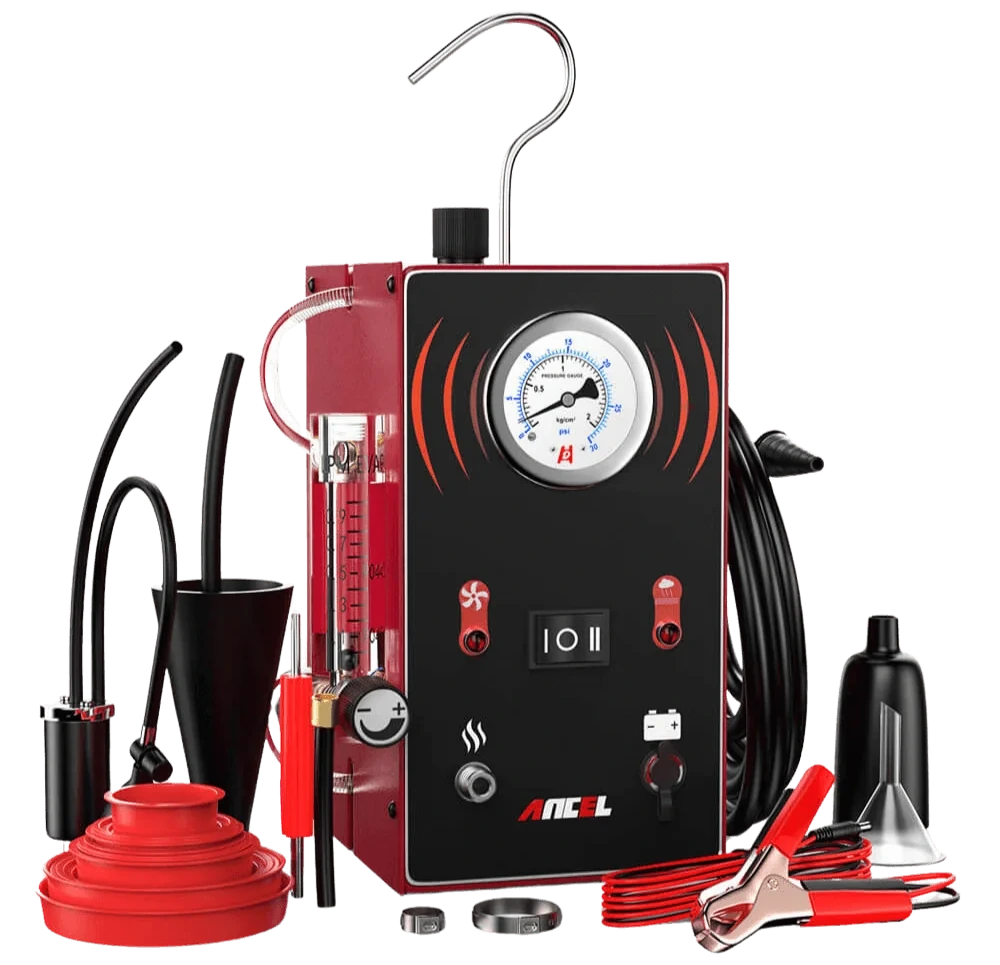
Service equipment used to visualize EVAP, vacuum, and intake line leaks with smoke.
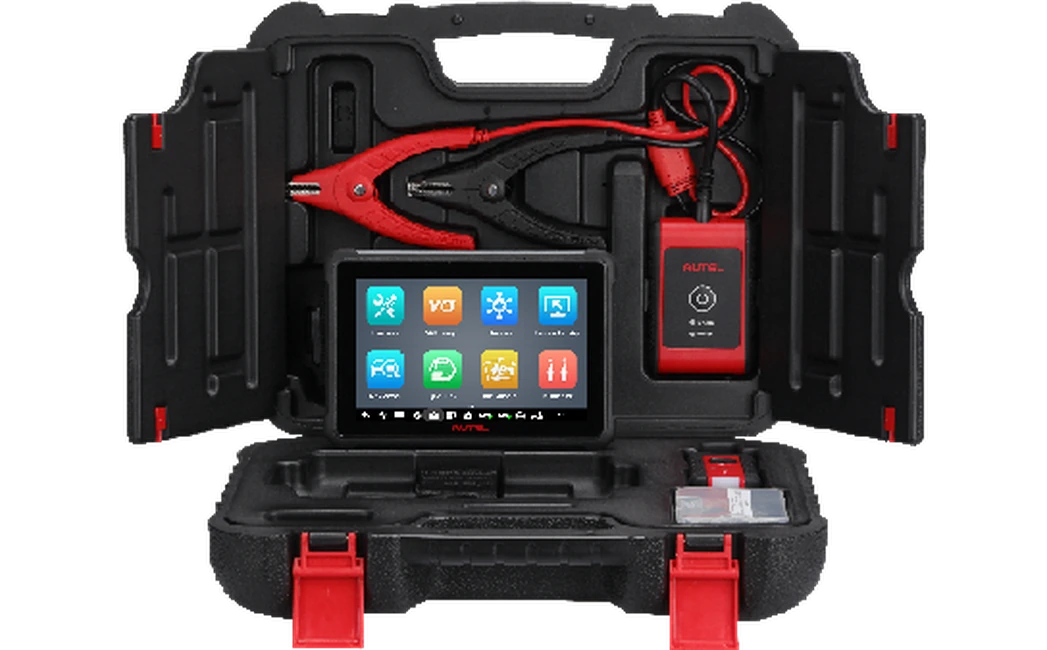
A MaxiBAS solution featuring a 7-inch Android tablet, wireless battery analysis, battery registration, electrical system diagnostics, and a service menu.
Product information
The ANCEL BST600 is not a diagnostic device that reads fault codes from vehicle control units. It is used in service to measure the condition of 12V or 24V lead-acid starting batteries, observe voltage behavior during cranking, and check the charging system under loaded and unloaded conditions.
The built-in thermal printer converts the completed test result into a physical output to be given to the customer or added to the service record. The device operates using a conductivity-based small signal method; it does not draw 40-80 A from the battery like a classic carbon pile high-current load tester.
Therefore, a single result does not definitively predict the remaining life of the battery. The result can be interpreted correctly when the battery type, test standard on the label, nominal value, and clamp contact are entered correctly.
Vehicle and part coverage
A make-model software list, as found in diagnostic devices, does not apply to this product. Compatibility is determined by the part to be measured, the electrical system, the operating range, the probe or connection method, and the manufacturer's safety limits.
Product details
The manufacturer's manual defines three main workflows as separate menus: battery capacity/condition test, starting test, and charging system test. The battery test displays data such as health status, charge status, measured value, battery voltage, and internal resistance on the screen. The starting test records cranking time and voltage drop.
The charging test reads the alternator's loaded and unloaded voltage and ripple value. Each completed result can be reviewed in the device memory and printed from the thermal printer.
Product details
Before starting the battery test, the type Regular Flooded, AGM Flat Plate, AGM Spiral, GEL, or EFB is selected from the device menu. Then, the CCA, BCI, CA, MCA, JIS, SAE, DIN, IEC, EN, or GB standard from the battery label is entered.
The manual specifies an upper limit of 2000 for CCA, BCI, CA, MCA, SAE, and EN; and 1400 for DIN, IEC, and GB. JIS selection is made with the JIS code on the battery label. If the wrong standard or nominal value is entered, the measurement will not find a correct basis for comparison.
Product details
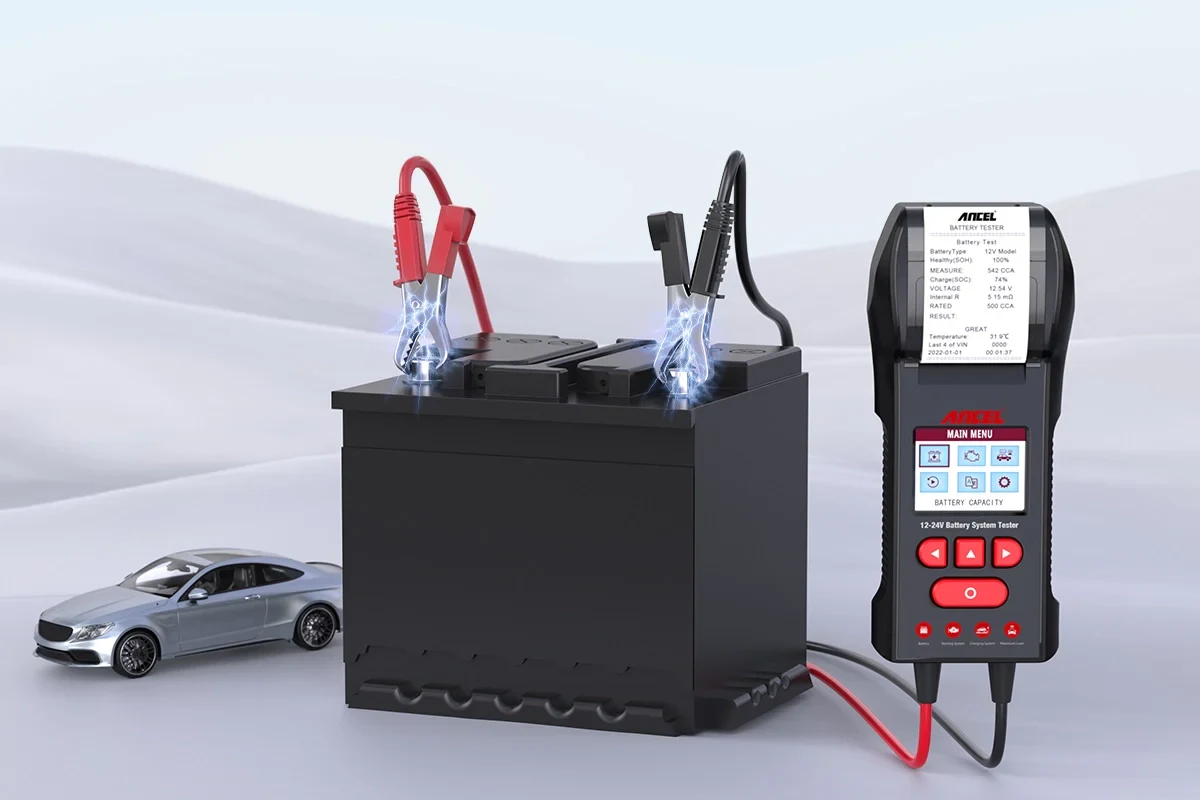
If a weak starting complaint is reported upon vehicle acceptance, the terminal posts and connection surface are checked first. After entering the correct battery type and label value, the battery test is performed; then, the starting test is initiated to record the lowest voltage and cranking time.
After the engine starts, the charging test differentiates the results from the alternator with electrical consumers off and on. Thus, instead of just saying "battery good/bad," three separate measurement records are created for the battery, starting, and charging system. The output can be used to show the customer the current condition before battery replacement.
After replacement, a new output taken with the same settings provides a comparison with the previous result. This paper is a service record; vehicle manufacturer procedures, physical cable checks, and additional measurements as needed still apply.
Product details
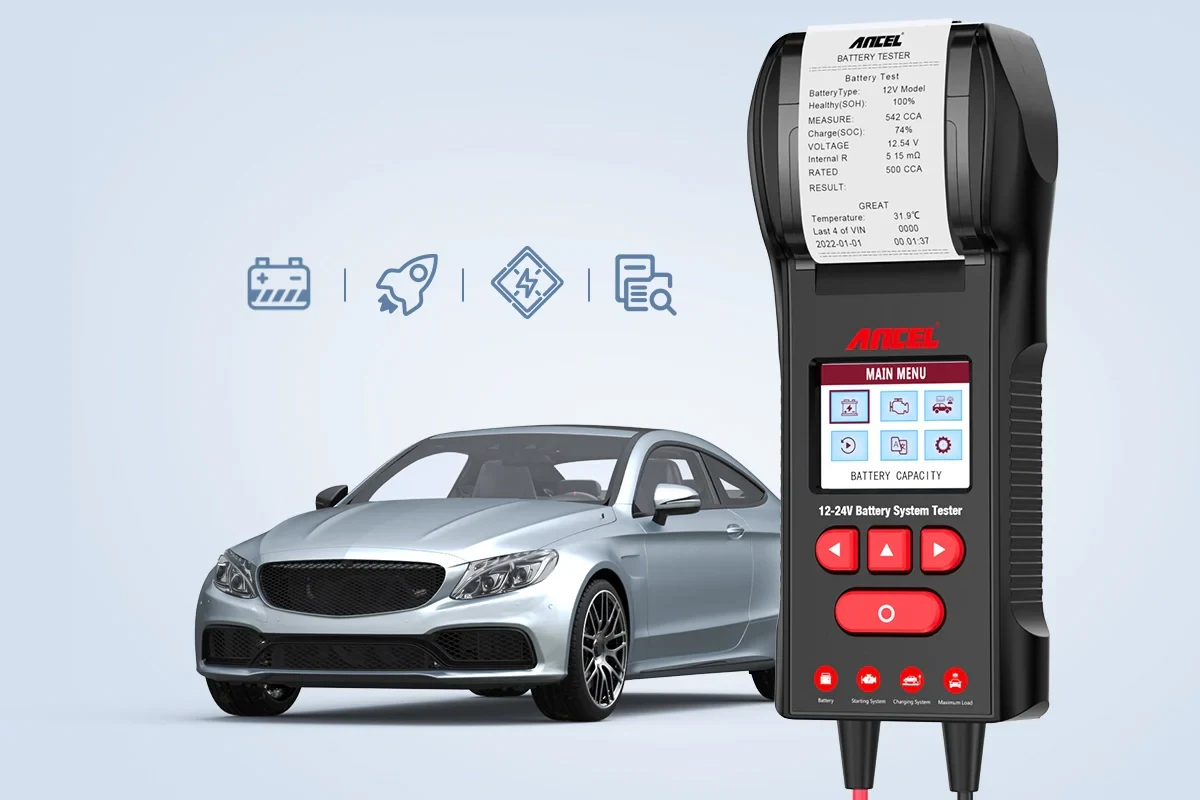
When a vehicle arrives at the service with a complaint of slow cranking on the first start, the terminal posts, cable connections, and physical condition of the battery are checked first. On the BST600, the battery test is completed by selecting the battery type, label standard, and nominal value. Then, the starting test is activated, and the engine is started.
The device records cranking time and voltage drop. The result output helps differentiate the battery's health data from its behavior during cranking in the same service record. A low starting result does not condemn the battery alone; connections, the starter motor, and the battery's charge level must be evaluated separately.
Product details
After installing a new battery, looking only at the battery result can overlook alternator or connection issues. The BST600 charging test is activated; with the engine running, measurements are taken first with electrical consumers off, then with loads like headlights and fans on, according to the guide's flow.
The device displays unloaded voltage, loaded voltage, and ripple information. This record is used to document how the new battery is being charged in the vehicle. The measurement is compared with the vehicle manufacturer's target values and service procedures; the device alone does not make a definitive fault decision for the alternator component.
Product details
In a commercial vehicle with a 24V starting system, after the device detects the operating voltage, the appropriate 24V test flow is selected. Before connecting, the batteries' series arrangement, terminal markings, and cable condition are physically inspected. The clamps are firmly seated on clean metal surfaces. Battery, starting, and charging results are obtained separately and printed.
If there is a difference in age, capacity, or charge between the two batteries, the system total can mask the condition of a single component; therefore, batteries are measured separately and results recorded together if required by the manufacturer's service instructions.
Product details
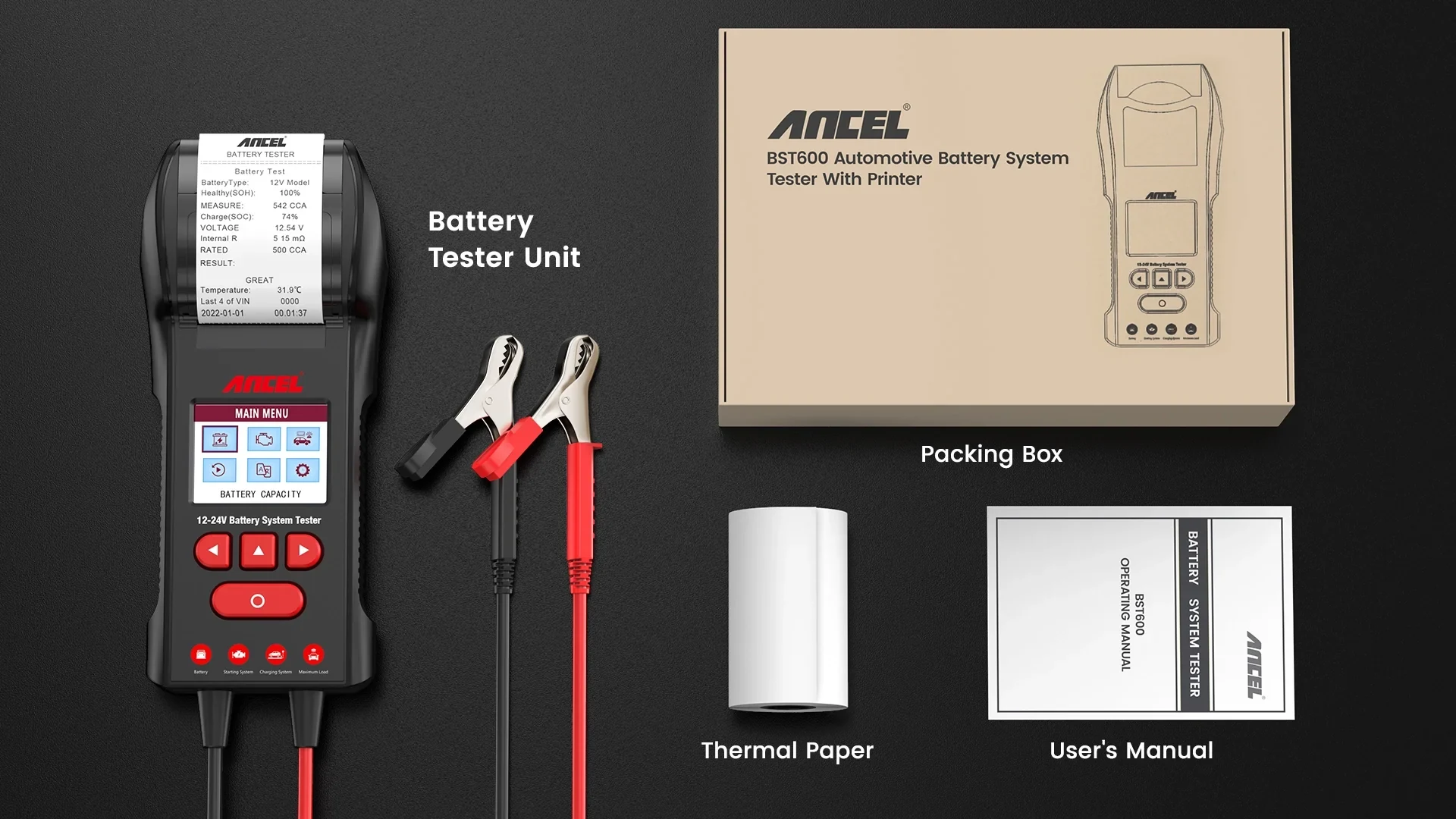
The product package image includes the BST600 main unit, red and black test cables fixed to the device with clamps, a roll of thermal paper, a user manual, and the product box. When the sales stock is reopened, the supplied consumables and printed documentation should be matched with the current package before shipment.
Separate adapters, chargers, or diagnostic tablets are not shown as standard package components.
Product details
The red clamp is connected to the positive terminal, and the black clamp to the negative terminal; the manufacturer recommends connecting the red clamp first. If the screen does not turn on or displays a connection warning, check that the clamps are making full contact with the terminals.
Immediately after a full charge, the voltage may appear higher than normal; the manual recommends turning on the headlights for two to three minutes and then turning them off before starting the test. While the engine is running, the device and cables should be kept away from hot surfaces and moving parts.
The manual also clearly states that conductivity and internal resistance results alone cannot definitively predict the battery's remaining life. The results should be interpreted in conjunction with connection, battery temperature, battery type, nominal value, starting system, and charging system findings.
Product details
The BST600 is a 12V/24V service device with a standalone screen and built-in printer. The Launch BST-360 V2 is a different 6V/12V class solution that works via Bluetooth with a compatible main device or app. The Think Easy Battery Test Clip is an accessory designed to work with a compatible Thinktool device.
If a standalone screen on the workbench, 24V support, and instant paper output are required, the BST600 offers a more direct workflow; the other two products are evaluated separately for portability via app or integration into an existing diagnostic ecosystem.
Related pages
Technical Resources
Technical information verified with official sources on 2026-10-12.
FAQ
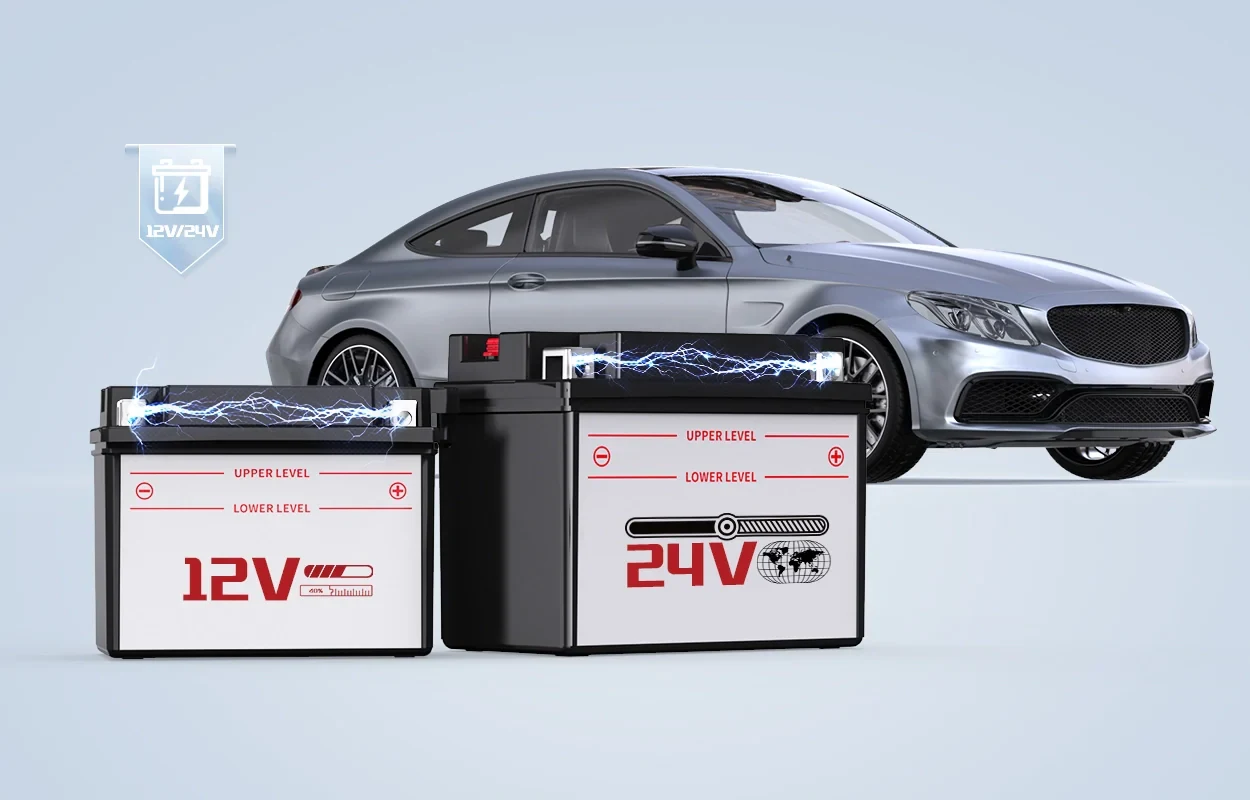
The manufacturer's manual covers 12V and 24V lead-acid starting batteries; it lists Regular Flooded, AGM Flat Plate, AGM Spiral, GEL, and EFB options. Lithium battery support is not mentioned in these resources.
The device uses a small signal method based on conductivity. The manual explains this separately from the classic high-current load test that draws 40-80 A for a short duration.
Yes. The starting test displays cranking time and voltage behavior; the charging system test displays loaded/unloaded voltage and ripple results.
Yes. Completed battery, starting, and charging system tests can be printed from the internal thermal printer. The last four digits of the vehicle's VIN can be entered in the printing flow.
No. The BST600 is a battery and vehicle electrical system tester. A diagnostic device is required to read fault codes from the engine, ABS, airbag, or other control units.
The manufacturer specifies reverse connection protection for the BST600. Nevertheless, correct usage involves connecting the red clamp to the positive and the black clamp to the negative terminal and observing the on-screen connection warning.
Comparison
Compare products in the same class with information on usage level, service tasks, and price.
| Model | Level | Usage | Price | View |
|---|---|---|---|---|
| ANCEL BST600 12V/24V Battery Tester with PrinterAncel | Service |
| ≈ $1728,490 TL charged · VAT included · import duties excluded | View |
| Ancel S300Ancel | Specialty operation |
| ≈ $1627,990 TL charged · VAT included · import duties excluded | View |
| Autel MaxiBAS BT609Autel | Professional |
| ≈ $68633,900 TL charged · VAT included · import duties excluded | View |
| Autel MaxiBAS BT608Autel | Service |
| ≈ $58528,900 TL charged · VAT included · import duties excluded | View |
Similar products
Service equipment used to visualize EVAP, vacuum, and intake line leaks with smoke.

A MaxiBAS solution featuring a 7-inch Android tablet, wireless battery analysis, battery registration, electrical system diagnostics, and a service menu.
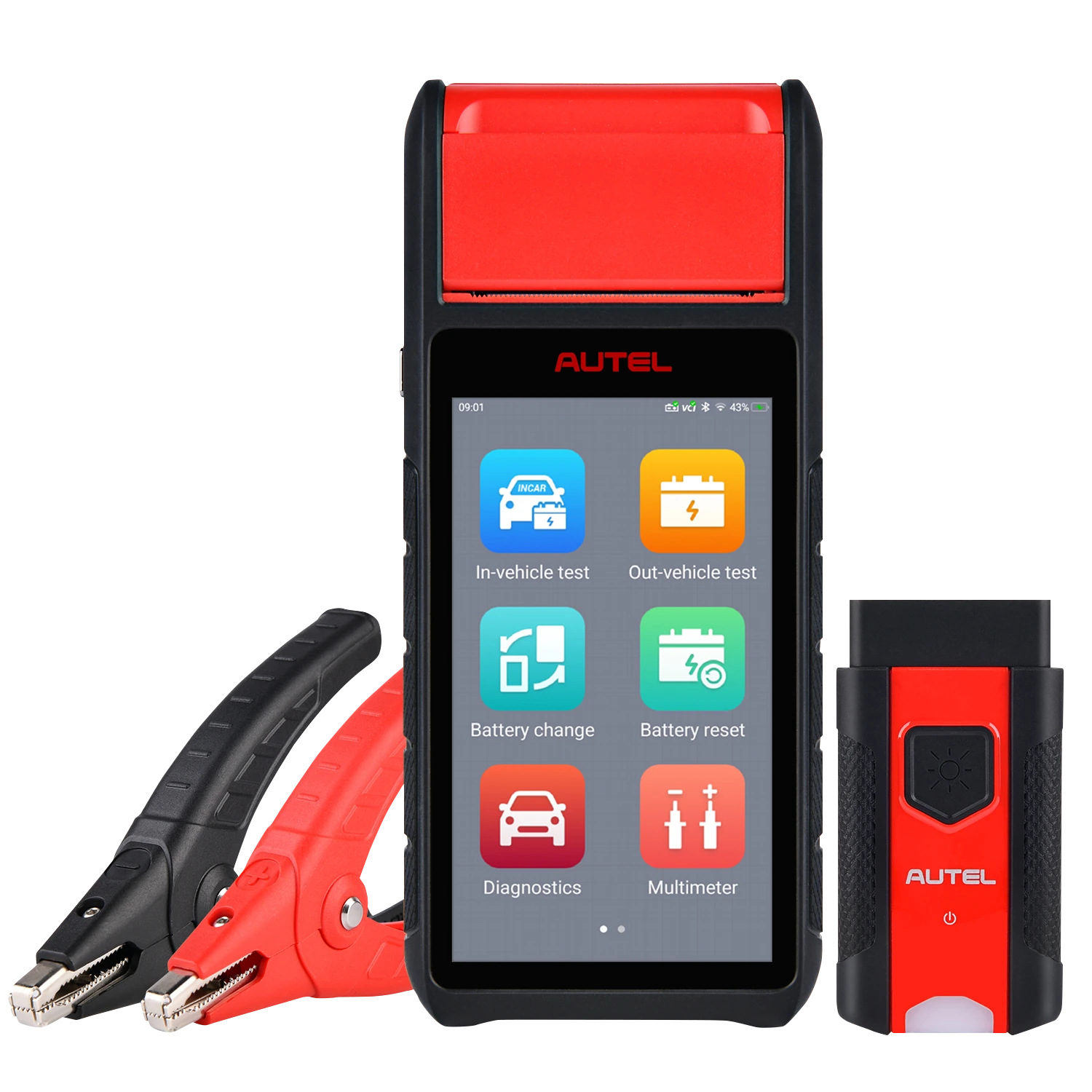
Features a 5.5-inch touchscreen, 100–3000 CCA battery testing, battery registration, electrical system analysis, and a built-in thermal printer.
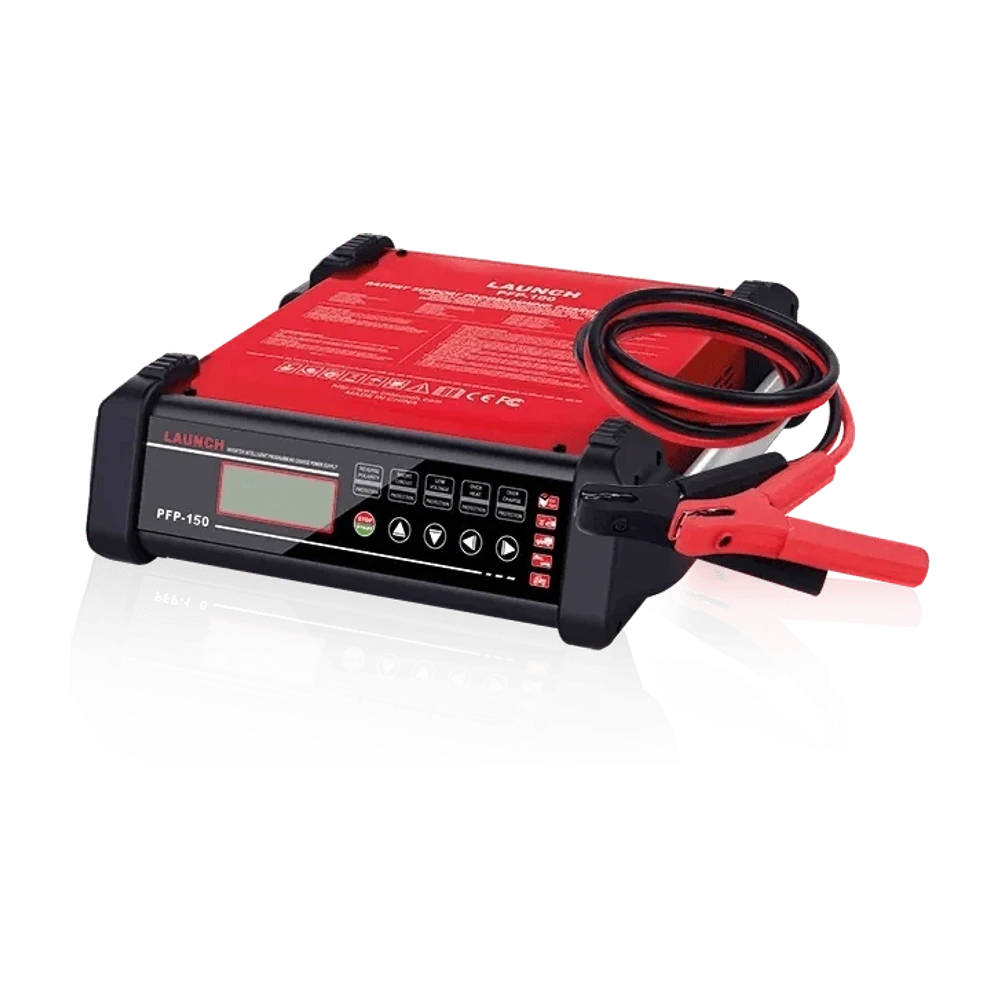

150A Launch power supply used to stably supply the vehicle battery during ECU programming and flashing operations.