Decision guide
Reading fault information and performing physical tests are different tasks.
The Reader 8 reads fault records and live data of supported control units. The PLD device, on the other hand, investigates physical leaks by supplying smoke to the appropriately prepared pipeline. When a turbo pressure code is seen, these two pieces of equipment can be used at different stages of the same repair; one does not replace the other. The code name may not indicate the exact location of the leak, and the smoke test does not explain all behaviors in the electronic control unit.
For example, if a leak is suspected at a hose connection, electronic records are saved first, then the appropriate line is prepared for physical testing. After repair, the seal is checked again, and vehicle data is re-examined. This guide explains such a task separation; it does not claim that the devices have been practically tested by us on a specific vehicle. The purchase priority changes depending on whether the workshop's frequent problem is lack of electronic access or lack of physical measurement.
Decision guide
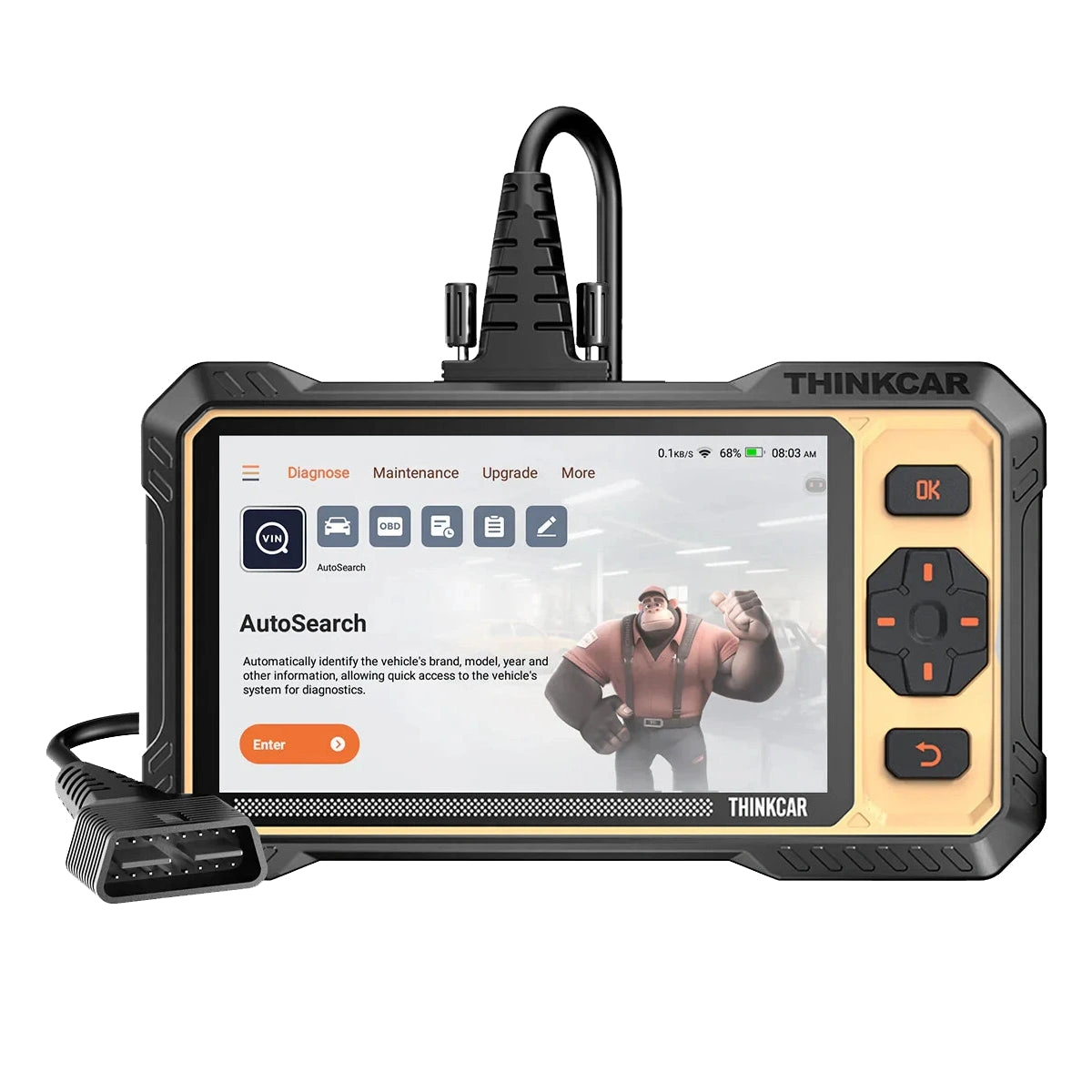
Reader 8: Wired device for daily acceptance and maintenance tasks.
A compact diagnostic tool operates with its own screen and communicates with the vehicle via an OBD cable. Wi-Fi connection does not mean a wireless VCI is used on the vehicle side; it is used for software updates. The manufacturer specifies full system diagnostics, CAN FD, live data, and supported active tests. Daily vehicle acceptance, pre-repair recording, and supported maintenance resets are the tasks for which this product is evaluated.
The term "full system" is not a guarantee that all modules will be accessible on all vehicles. Active tests, maintenance resets, and ECU software loading are separate capabilities. If the workshop's primary need is to load software into a specific control unit, support for that specific vehicle and operation is checked first. The device's update rights do not automatically cover other manufacturers' account or security access fees. Owning key modules of the same brand also does not mean that the Reader device can operate all of these modules. Main device compatibility is checked separately.
Decision guide
PLD 212 Turbo: Select the correct pressure line limit.
For the turbo variant, the manufacturer specifies an output pressure of 13–16 psi, a 12 V DC power supply, and an internal air pump. Air and smoke operating methods are used to investigate the integrity of appropriate lines. The pressure allowed by the vehicle manufacturer and the shut-off points of the section to be tested must be known. Physical fit of the hose adapter does not prove that the line is suitable for this pressure.
The PLD 212 EVAP is a different low-pressure variant in the same series; the flow setting of the Turbo device does not convert it into an EVAP model. This distinction is particularly important when selecting a device for the fuel vapor system. The sales product compared in this guide is the Turbo. The absence of smoke is related solely to the test conditions of the prepared section; it does not prove the mechanical condition of the turbo shaft, sensor accuracy, or all load conditions. The result from the physical test is completed with diagnostic and mechanical measurements when necessary.
Decision guide
PPS 150: Does not perform ECU programming, supports power supply.
The programming power supply does not replace the software loading device. It supports electrical supply with the ignition on and vehicle consumers operating. The programming voltage for this model is specified separately as 10.8–15 V, 12 V charging mode as 20 A, and jump-starting support as 400 A. A continuous output of 150 A in all operating modes cannot be inferred from the "150" in the model name.
The current provided for jump-starting is not the continuous supply value that can be used throughout software loading. The connection conditions for charging, maintenance, programming, and display modes are also not considered the same. The manufacturer requires the vehicle battery to remain connected during programming; instructions for other modes are followed separately. Having a power supply does not compensate for deficiencies in the interface, software account, or vehicle procedure. If programming is already done in the workshop, appropriate power supply equipment is a separate investment item; it is not an automatic part of a device purchased solely for reading fault codes.
Decision guide
T-Key 101 and PROG 2: Distinguish key preparation from memory operations.
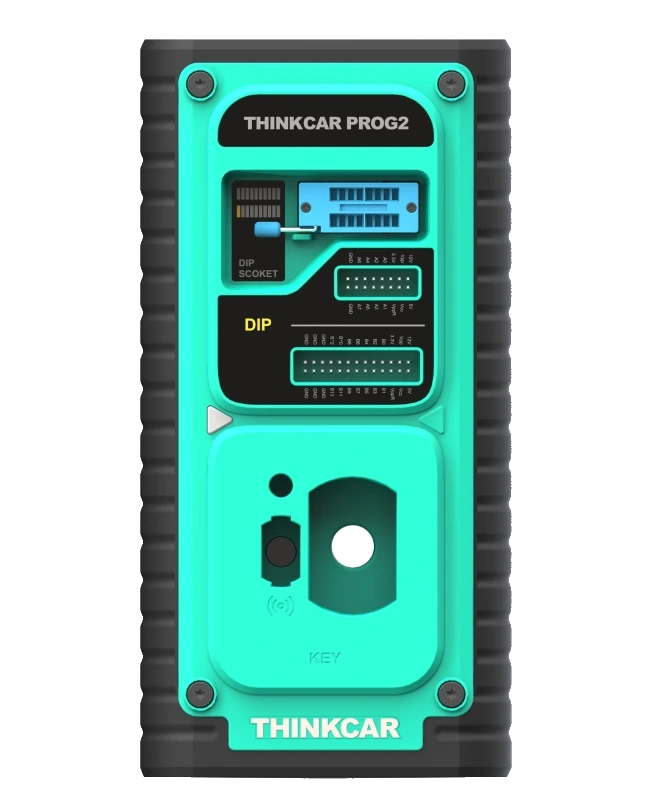
T-Key is used for recognizing, preparing supported remotes and chips, and checking the remote frequency and ignition coil signal. PROG 2, on the other hand, focuses on supported IMMO, ECU, MCU, and EEPROM data operations with its compatible main device. The mention of "key" in the descriptions of the two products does not mean they offer the same function or the same vehicle coverage.
Preparing a blank remote for the appropriate profile, programming it to the vehicle, and cutting its mechanical end are three separate tasks. The T-Key package here is only the programmer; it is not stated to include a set of six smart keys or a super chip. The adapters in the PROG package also do not create coverage that includes every vehicle and every chip. The workshop first determines at which stage of the job equipment is missing. Selecting a memory programmer for a remote preparation need, or a remote module alone for a memory data need, may not meet the expected job.
Decision guide
Main device and security authorization in the key module.
Both modules are evaluated with a compatible main device and the relevant software menu. USB connection compatibility is not proof of software support. The manufacturer specifies models such as MAX, X10, Master X, Master, and Master II for PROG 2; T-Key may have different naming in regional lists. It is not stated that all Thinkcar tablets are compatible without matching the exact model and package.
Operation authorization is verified by the vehicle owner; keys and security data are not shared unnecessarily. Supported smart key replacement may mean replacing an old key with a new one; it is not the same as producing two working copies. Saving the correct original backup is important in memory operations, but it is not guaranteed that every failed write can be recovered. This guide does not offer methods to bypass security systems. It describes the purchase scope; the actual operation is performed by authorized personnel in the service flow supported by the manufacturer.
Decision guide
CE EVP 802 and 902: Cell balancing versus module testing.
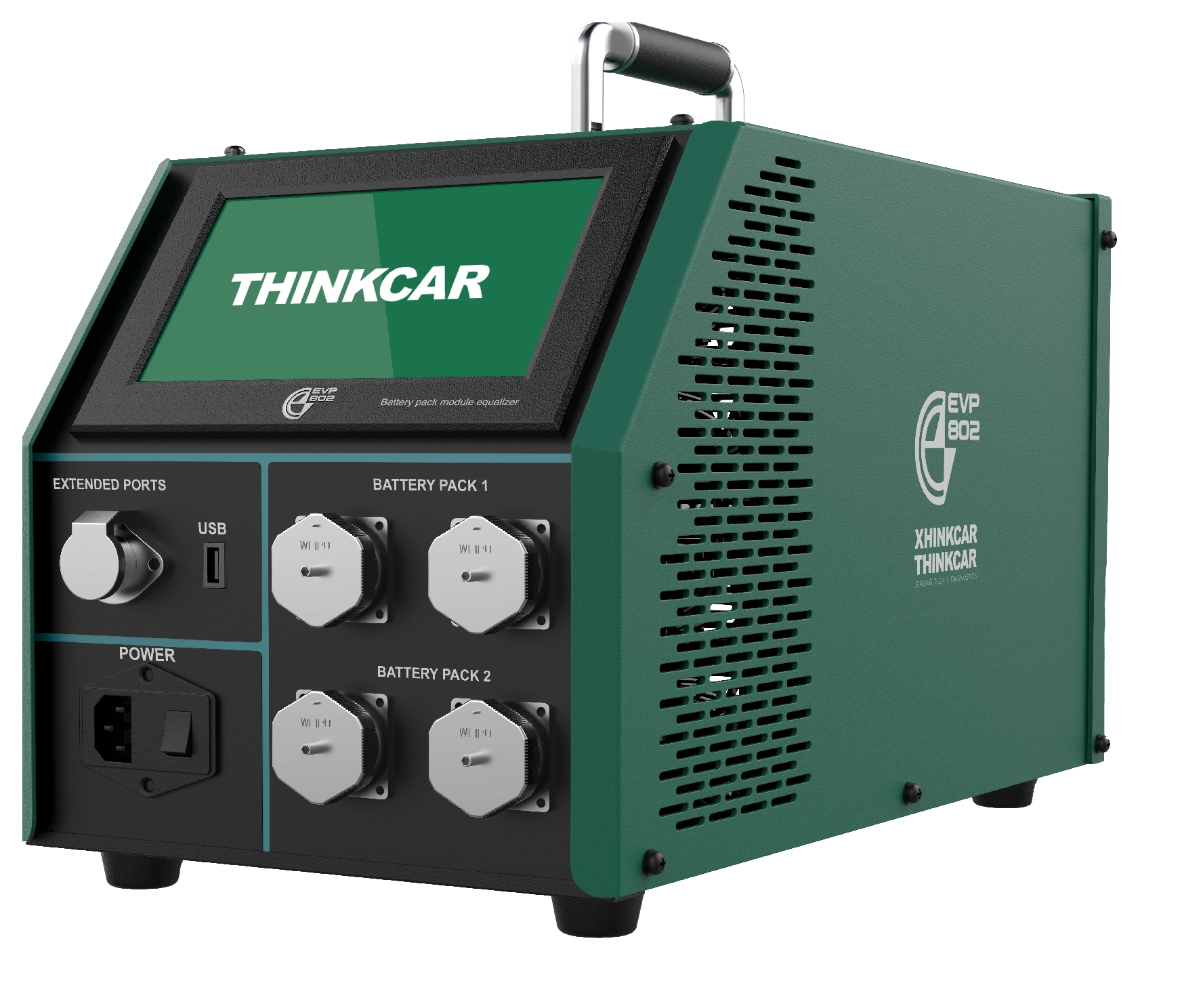
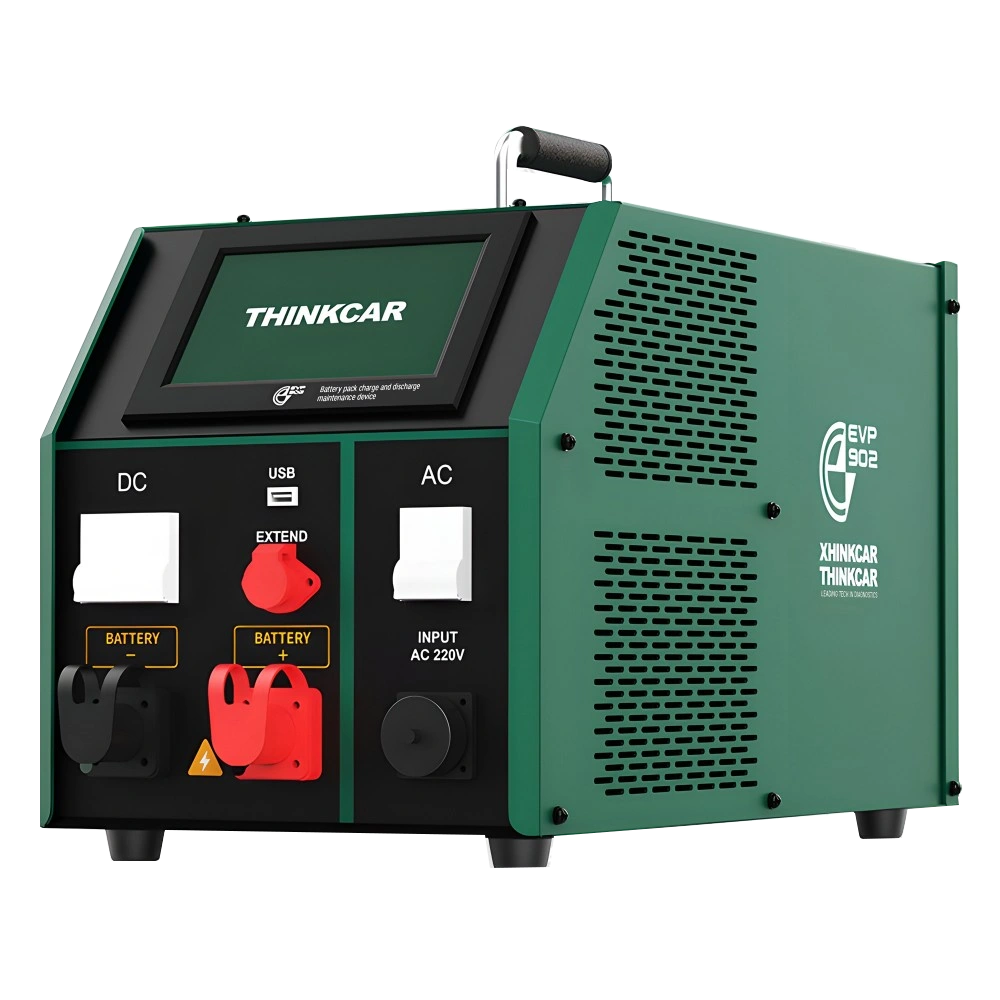
The 802 model offers a balancing arrangement for up to two groups, with 12 cells per group. The cell operating range is specified as 1.8–4.2 V, charging/discharging current as 0.1–5 A, and the total power ceiling as 600 W. The 902, on the other hand, is selected for controlled charging/discharging and capacity inspection at DC 2–260 V levels in appropriate lithium modules. These two voltage lines do not describe the same measurement point.
Approaching cell voltages does not indicate that all cells have the same capacity. The controlled discharge result of the module also does not solely prove the battery health of the entire vehicle. Physical damage, insulation, or BMS faults require separate diagnostics. Features in the new EVP 803 and 903 models are not transferred to 802 and 902. The equipment to be used changes depending on whether the service need is cell difference, module capacity, or an electronic fault on the vehicle. A diagnostic tablet does not perform physical balancing or high-power discharge.
Decision guide
Do not read high current values independently of the power ceiling.
For the 902, there are upper limits of 100 A for charging and 150 A for discharging. At the same time, a power ceiling of 4.4 kW for charging and 7.2 kW for discharging applies. It is not assumed that the maximum current can be used at all voltages. The DC 2–260 V range is also not a direct connection permit for a full 400 V or 800 V traction pack. The appropriate module and connection are selected according to the battery manufacturer's service procedure.
Training for working on high-voltage vehicles, protective equipment, appropriate space, and installation costs cannot be separated from equipment selection. Heat dissipation during discharge, cable and connection condition, and temperature monitoring are part of the job. The device's protection functions do not compensate for incorrect connections or lack of operational competence. Household charging stations, 12 V service power supplies, and module test equipment are different types of products. Their ability to be used on the same electric vehicle does not mean they are interchangeable.
Decision guide
Matching equipment in a three-day workflow.
In a vehicle with reduced traction, electronic records obtained with a Reader device can guide a PLD test on the appropriate turbo line. In this example, the first device reads the control unit's information, and the second device investigates physical leaks. After repair, the two results are re-checked for different purposes. In a workshop performing module programming, the PPS supports the electrical supply while the appropriate main device runs the software; the power supply device does not provide the programming license.
In key service, blank remote preparation with T-Key is performed separately from the programming process on the vehicle side. If supported memory data is required, the PROG scope is examined separately. In the EV workshop, cell differences are investigated with 802, and the charging/discharging behavior of the appropriate module is investigated with 902. These three workflows do not imply that all devices are necessary in every workshop. The workshop can determine which stage its existing equipment already covers and invest in the missing function. It is not mandatory to expand the purchase list solely to complete the brand family.
Decision guide
Package, registration, and total usage needs.
When comparing prices, the local package content is as important as the device name. A package containing only a programmer versus a keyed set, or a bare module versus a package with special connection accessories, is not the same delivery. The general photo in the manufacturer's brochure does not guarantee the same box in every market. Current sales prices and stock are read from the live purchase information on the product cards; no fixed price or permanent discount claim is made in this guide.
Update rights, third-party accounts, and hardware warranties are separate topics. The manufacturer's statement of free updates for the Reader does not mean the same right exists for PROG 2. At the end of service, reliance is not placed solely on the device's success message: the performed operation, parts used, data recorded, and the actual final check are explained. The USB report is not confused with files belonging to another module; capacity or road tests not performed are not added to the report. Correct equipment selection is completed with correct connection and traceable records.
Frequently Asked Questions
Most frequently asked questions by customers
Which is the most advanced of these seven products?
There is no single order of advancement. Diagnostics, smoke testing, power supply, key programming, memory operations, and EV module maintenance are different tasks. A higher price is not proof of coverage for another product's function.
Do Reader 8 and PLD 212 test the same fault?
They may investigate different aspects of the same complaint. Reader reads electronic records and live data; PLD investigates the integrity of the appropriate physical line. The results are not interchangeable.
Can I select the turbo model for EVAP testing?
The turbo is a 13–16 psi variant. Suitability is not inferred from the same series name for a fuel vapor test requiring low pressure. The variant suitable for the pressure requirements of the system being tested is selected.
Does the T-Key package include six keys?
This sale is for the programmer only. The key set, super chip, and compatible tablet must be evaluated separately. Equivalence with another seller's keyed set is not established.
Does PROG 2 perform all key loss jobs?
There is no such universal coverage. The immobilizer system, part, software, and required operation in the vehicle must be supported. The number of chips provided by the manufacturer does not imply all vehicles.
Does PPS 150 charge the traction battery of an electric vehicle?
This product is for 12 V service power supply and supported battery operations. It is not selected as traction module test equipment or as a vehicle's normal charging station.
Do 802 and 902 perform the same battery maintenance?
802 focuses on cell-level balancing, while 902 focuses on controlled charging/discharging and capacity inspection in the appropriate module. Both require expert personnel and proper battery procedures.

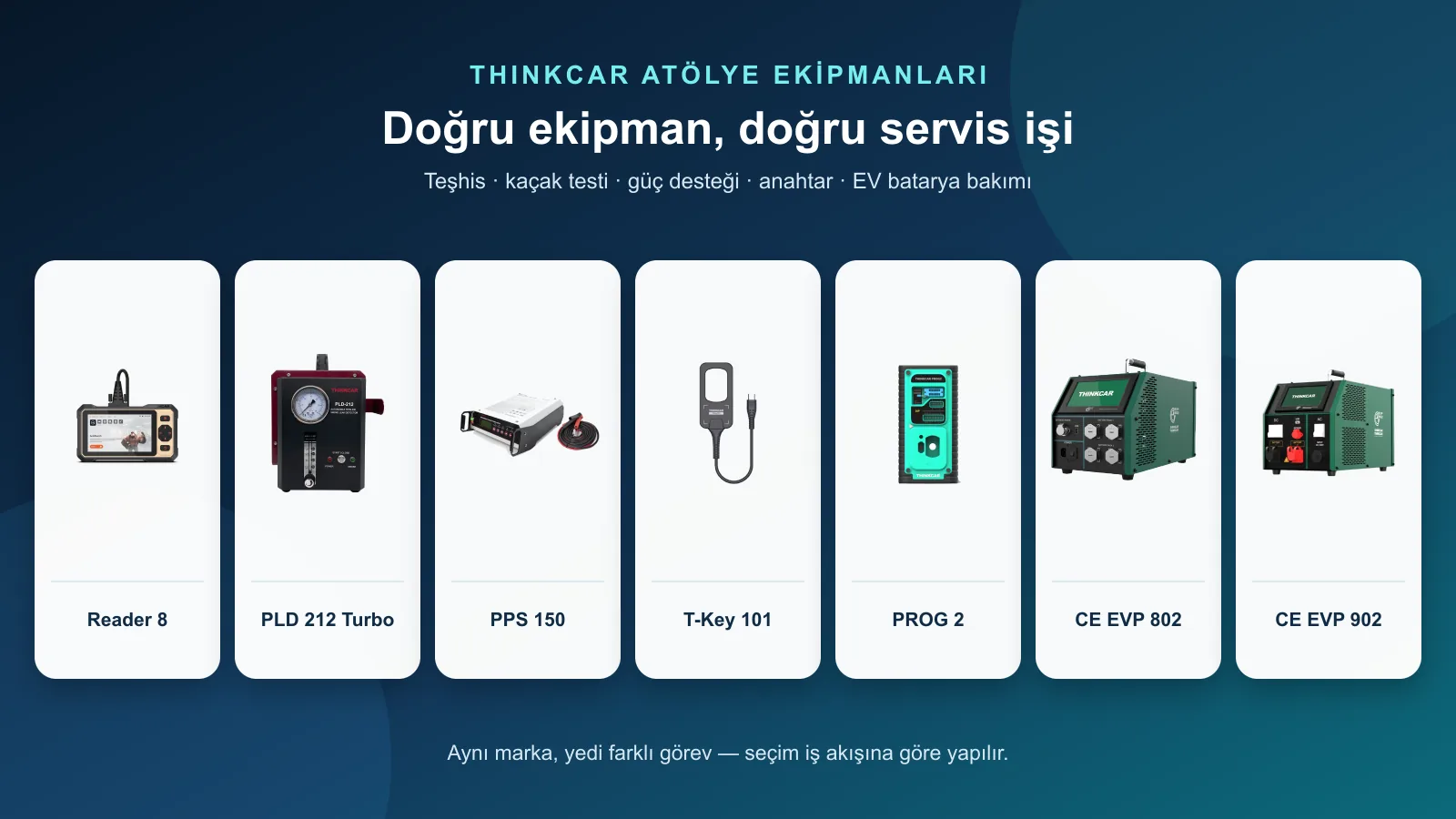
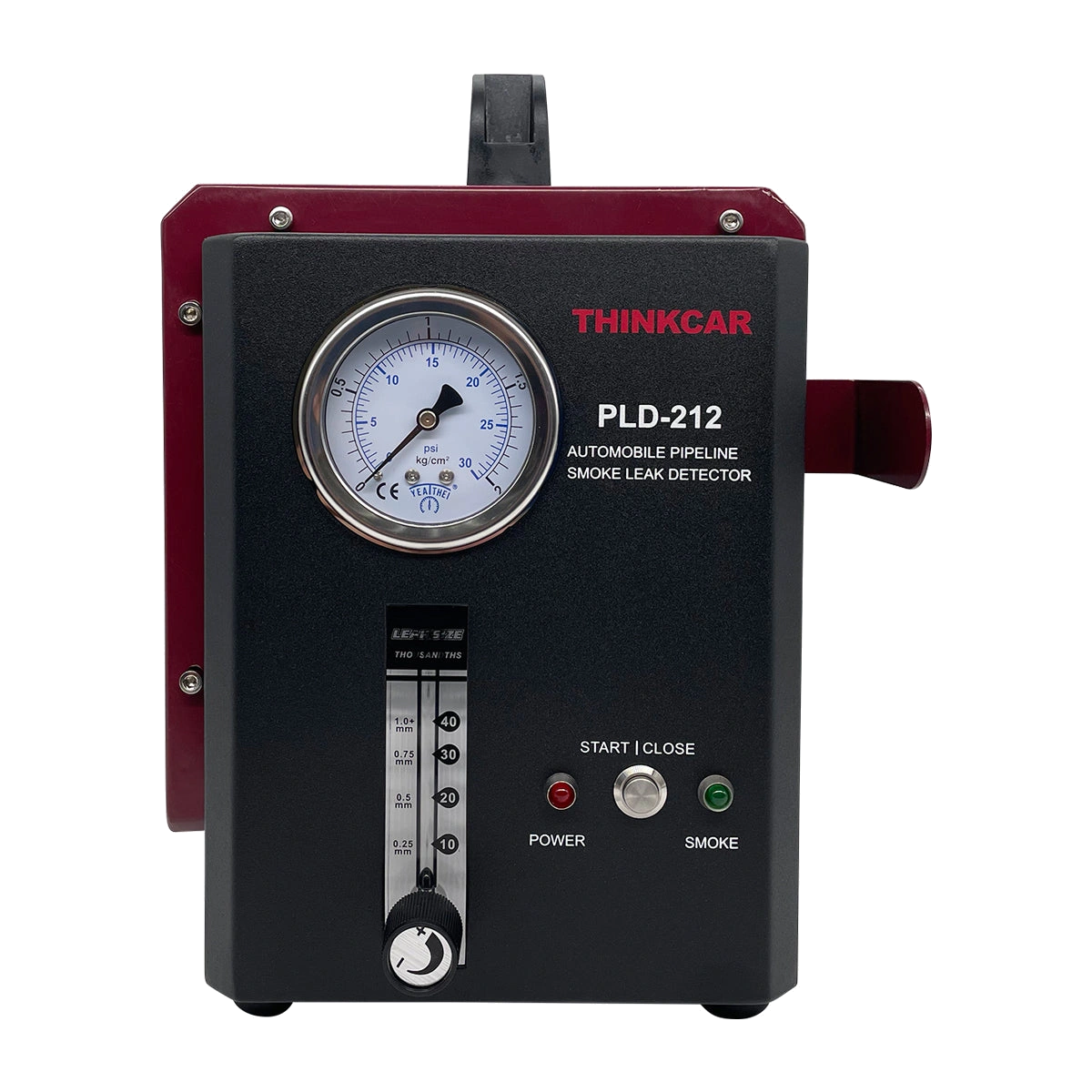 THINKCAR PLD 212 Turbo
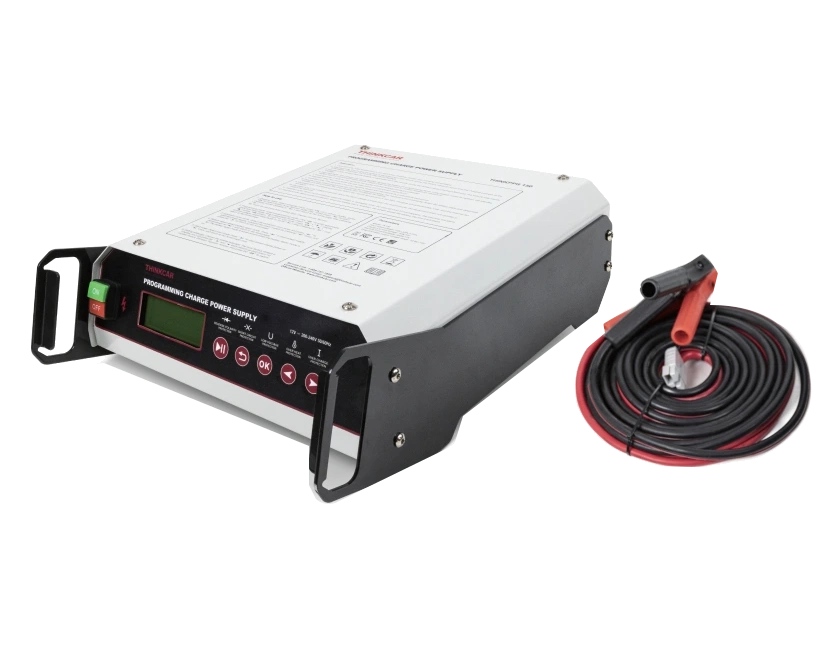 THINKPPS 150
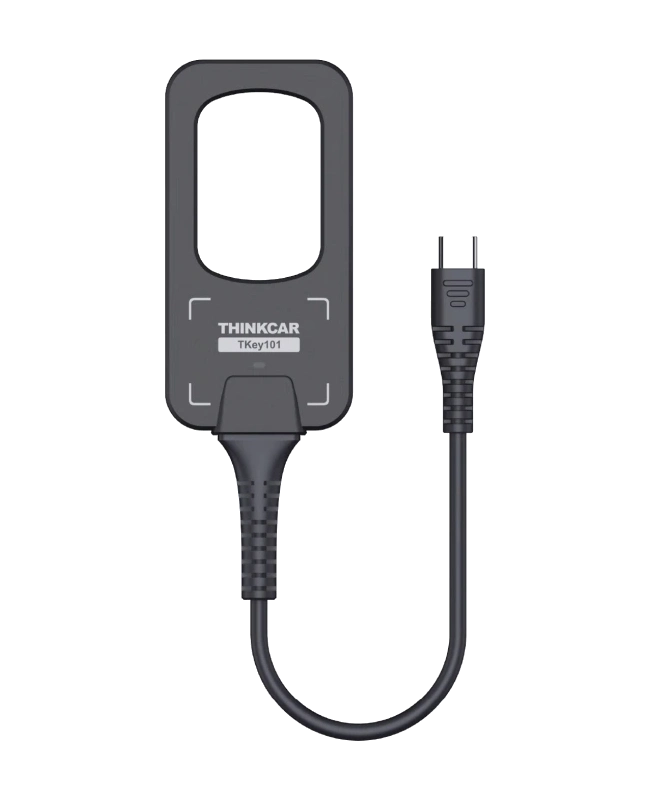 THINKCAR T-Key 101
 THINKTOOL Reader 8
 THINKCAR CE EVP 802
 THINKCAR CE EVP 902
 THINKCAR PROG 2
