Decision guide
What does an OBD2 device read?
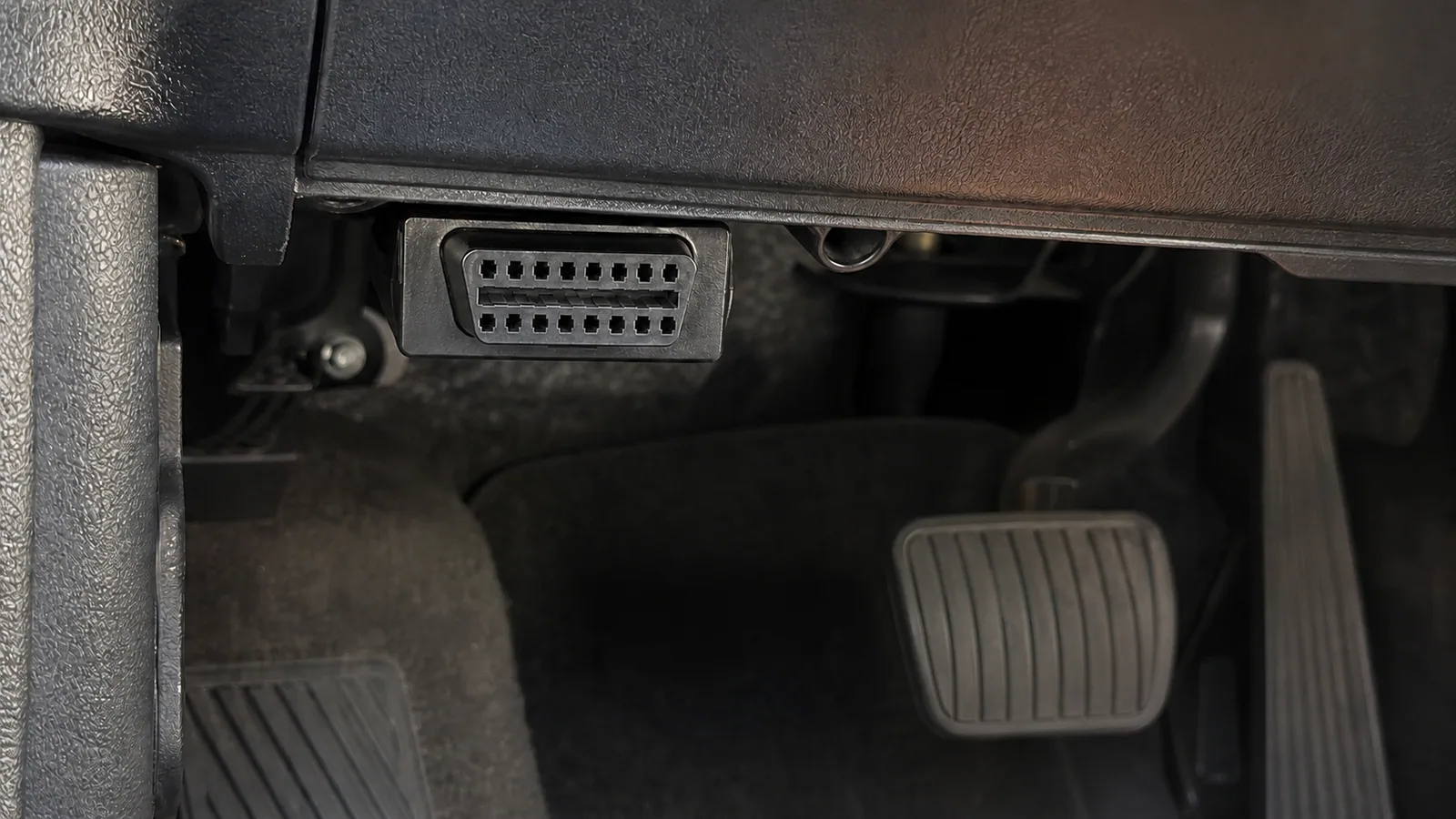
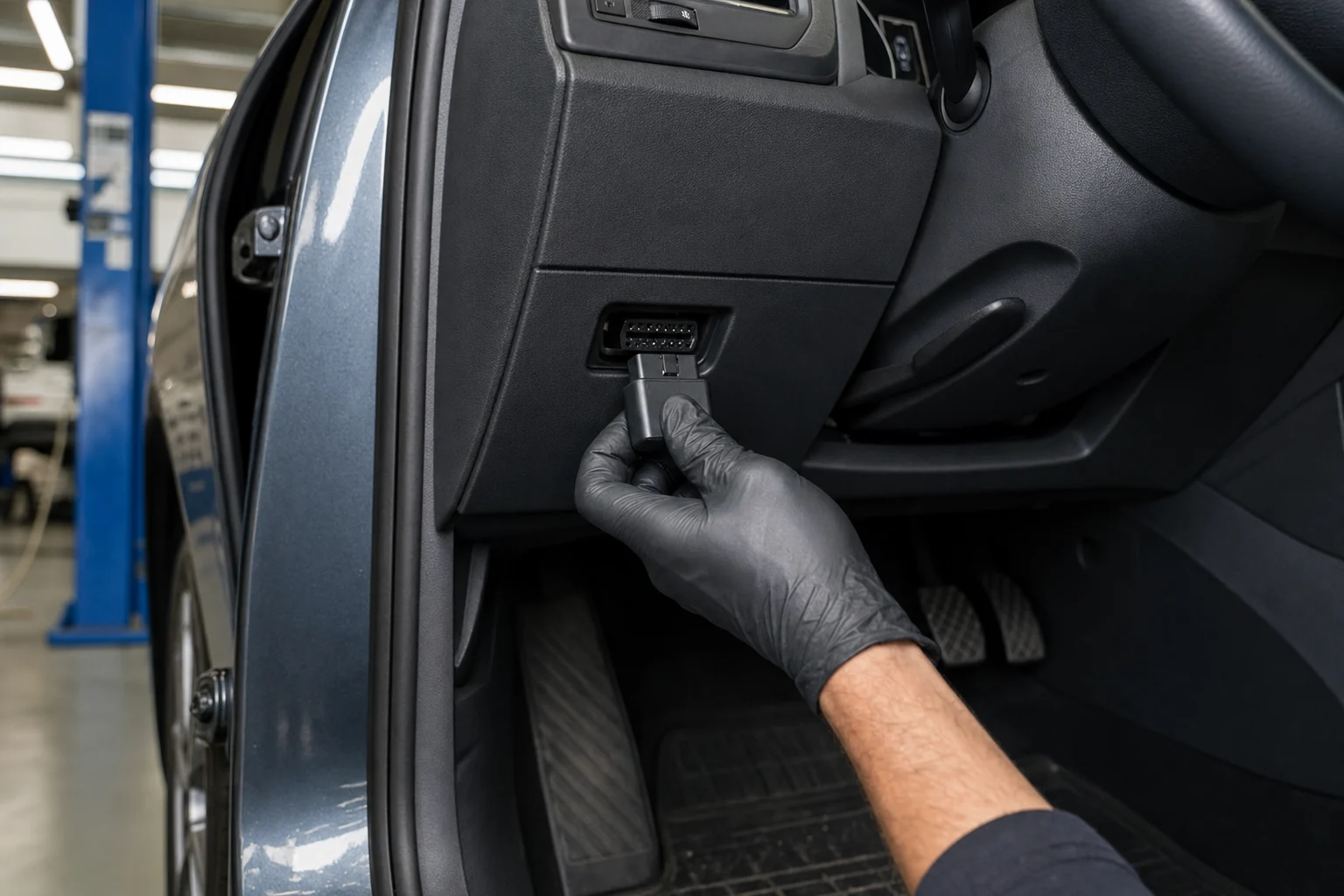
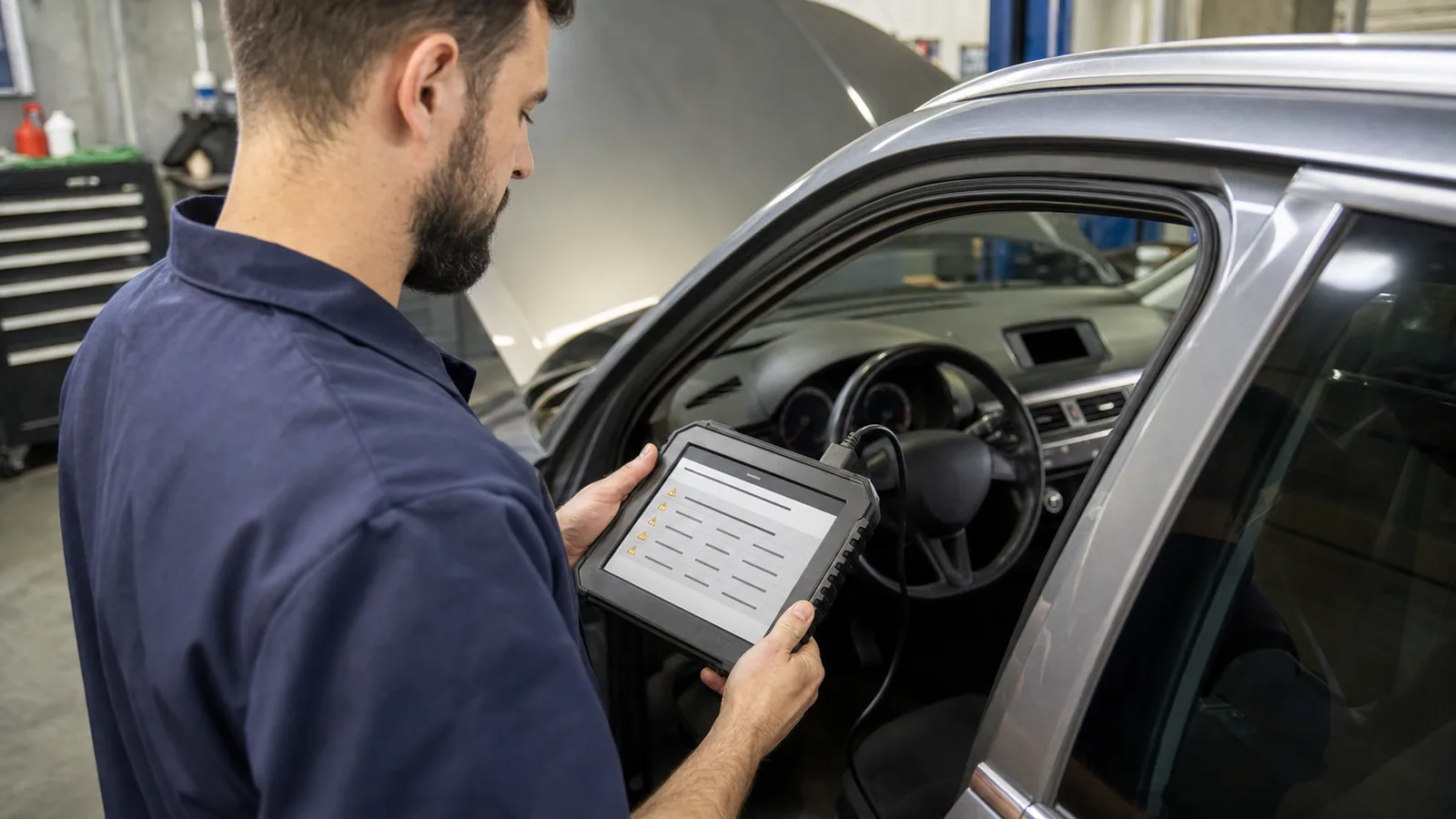
The main function of standard OBD2 access is to provide information about the engine and powertrain system related to emissions in a common way. The device can read stored diagnostic trouble codes, the status of the fault light, some sensor and operating parameters, freeze frame data, and supported readiness monitors. Which lines are displayed depends on the vehicle, control unit, protocol used, and device firmware.
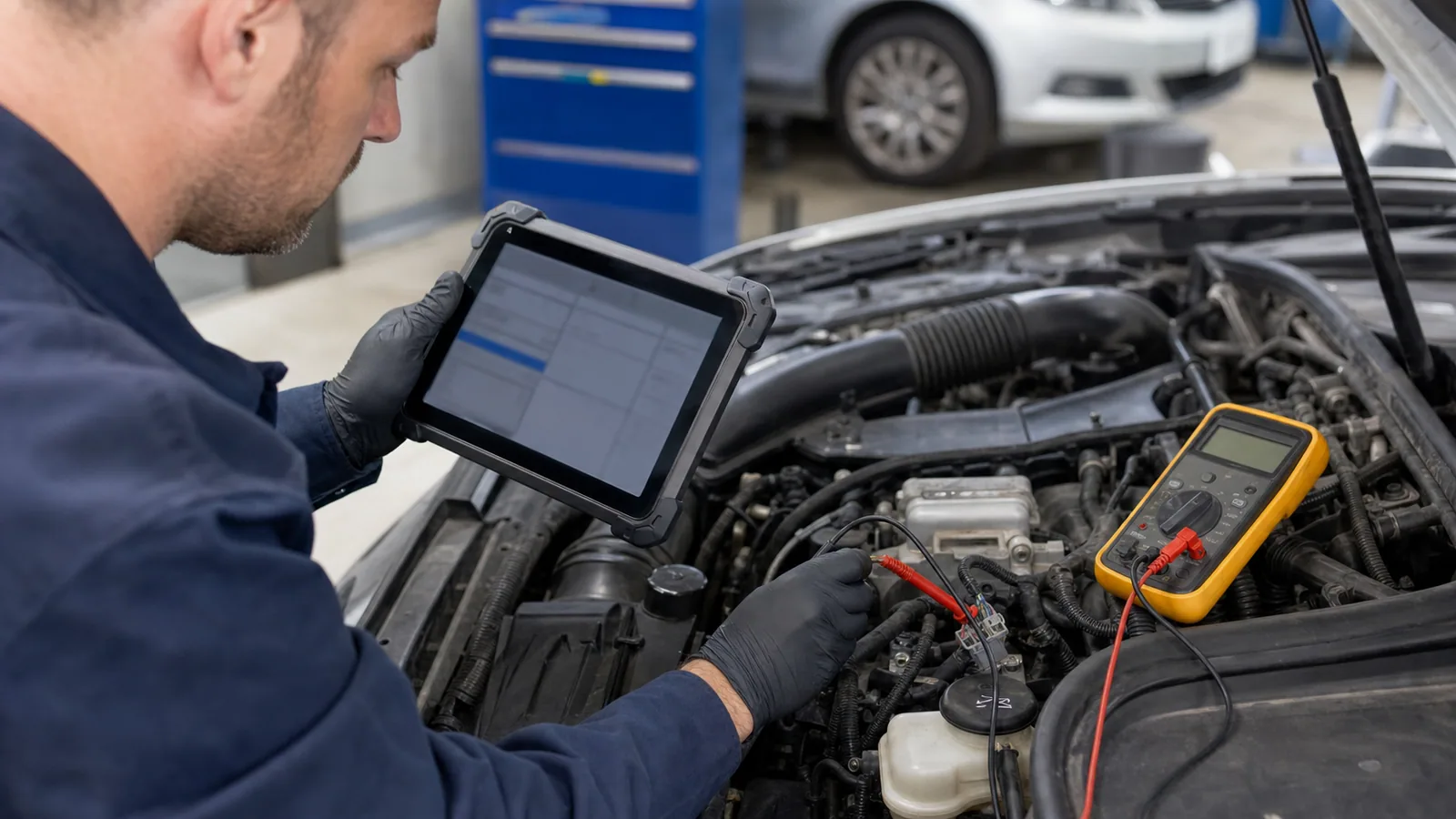
A driver may see a P-code with an OBD2 device when the engine fault light comes on. This code provides initial information about a specific circuit or operating condition. The appearance of the code does not automatically identify the faulty part. For example, a code related to mixture, ignition, or sensor performance could be the result of a cable, leak, power supply, mechanical condition, or another system. A part replacement decision should not be made until the code description is supplemented with measurements and service procedures.
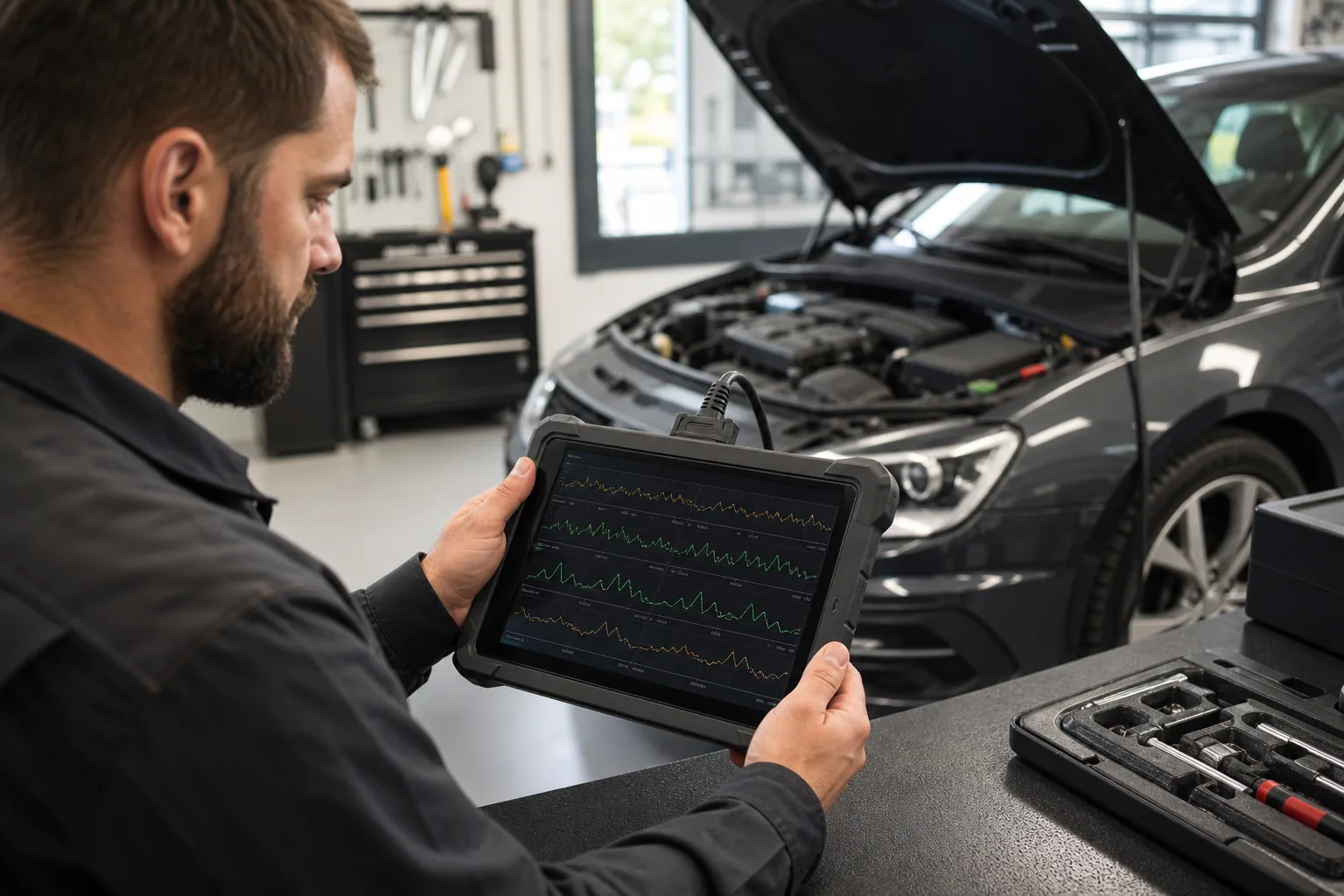
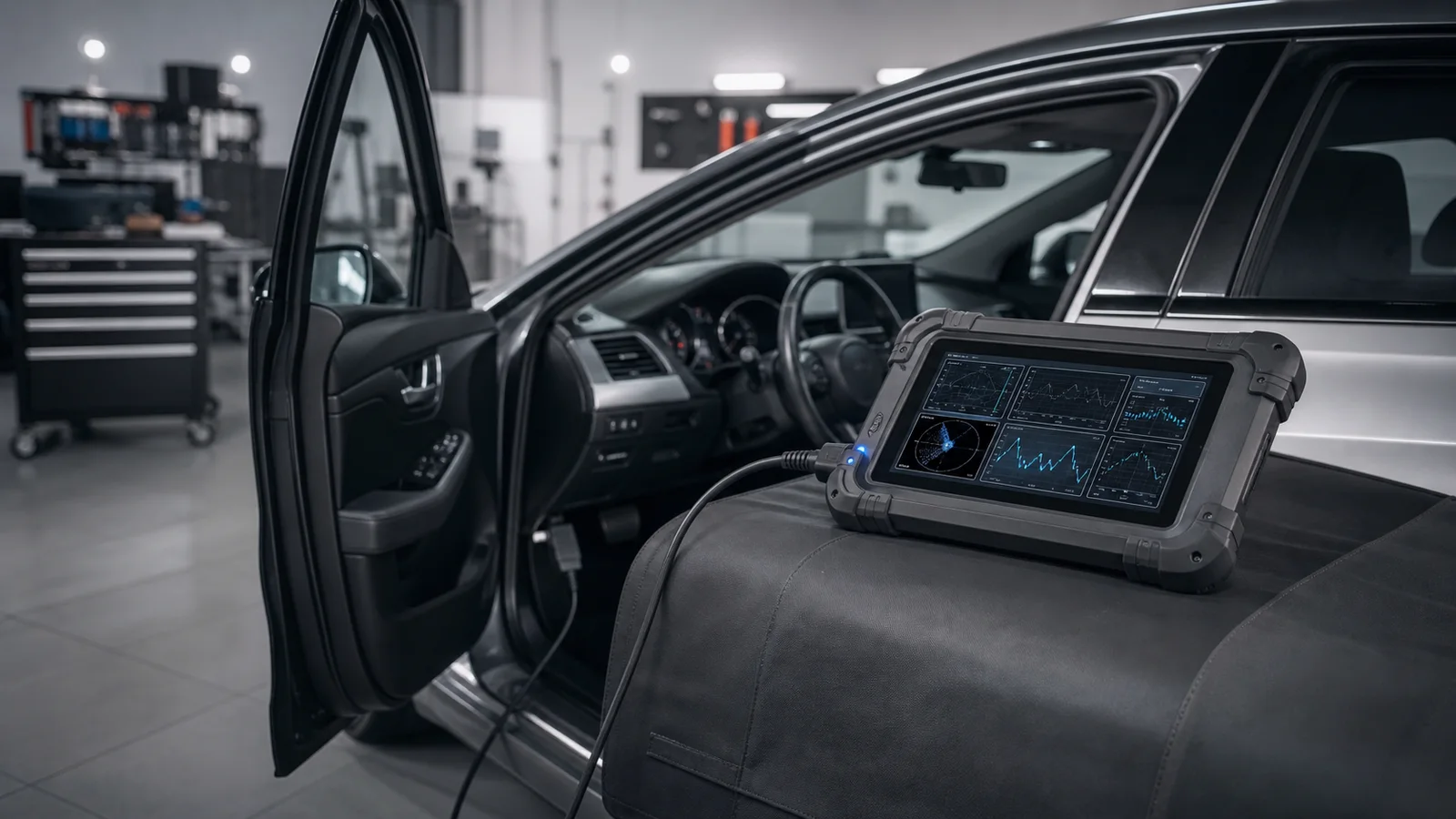
On the live data side, parameters related to engine speed, coolant temperature, short and long-term fuel trim, intake air, throttle position, or oxygen sensors may be found. This list is not fixed. Even if a PID is displayed on the app screen that the vehicle's control unit does not report, it may not produce a real value. Therefore, a long list of indicators in the app does not mean the vehicle provides all data.
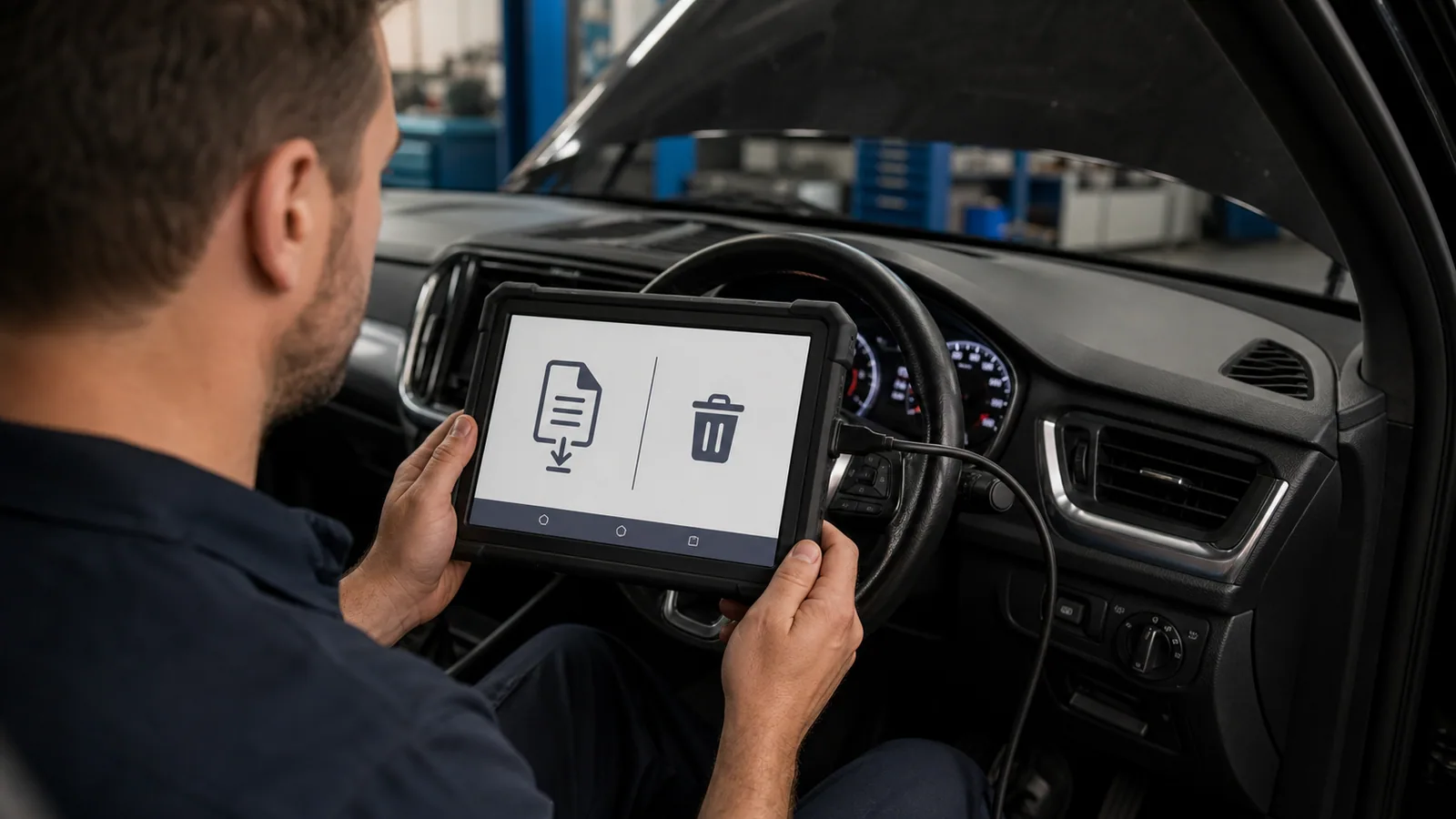
Readiness monitors indicate the completion status of self-tests related to emissions. Some monitors may need to be completed again after the battery is disconnected or codes are cleared. This information can be helpful for inspection preparation; however, it does not prove the vehicle is mechanically flawless on its own. OBD2 results are evaluated in conjunction with vehicle symptoms and physical checks.
- Diagnostic trouble codes
- Fault light status
- Supported live data
- Freeze frame and readiness monitors